Posted on - Leave a comment

Ratiños

All photos by Luis Ángel. Follow him on Instagram: @luisangelgarrido

Introduction

        My name is Luis Ángel, and I'm the founder of San Agustín. I'm currently in charge of roasting and selecting green coffee.

        I have decided to create this new section within the “San Agustín” Blog for two important reasons for me:

        First: my passion for photography. I like to apply this passion to a sector as technical and specialized as this one. It's very rewarding and I really enjoy it.

        Second: to show readers the personal or professional stories of relevant people within the specialty coffee industry in Spain.

        This is completely altruistic and in my free time. I've been in this industry for eleven years and have made interesting connections with many people. I've met people from all over the world who are connected, in one way or another, to specialty coffee. If there's someone I find interesting, they think it's a good idea... perfectly fine!

        For those of you who find this initiative interesting, I hope you enjoy these stories, and if anyone has any suggestions, please don't hesitate to write to me. I'm looking forward to hearing your thoughts.


        In this first interview I'm going to talk to you about two people I've known for a few years now, María and Luis.

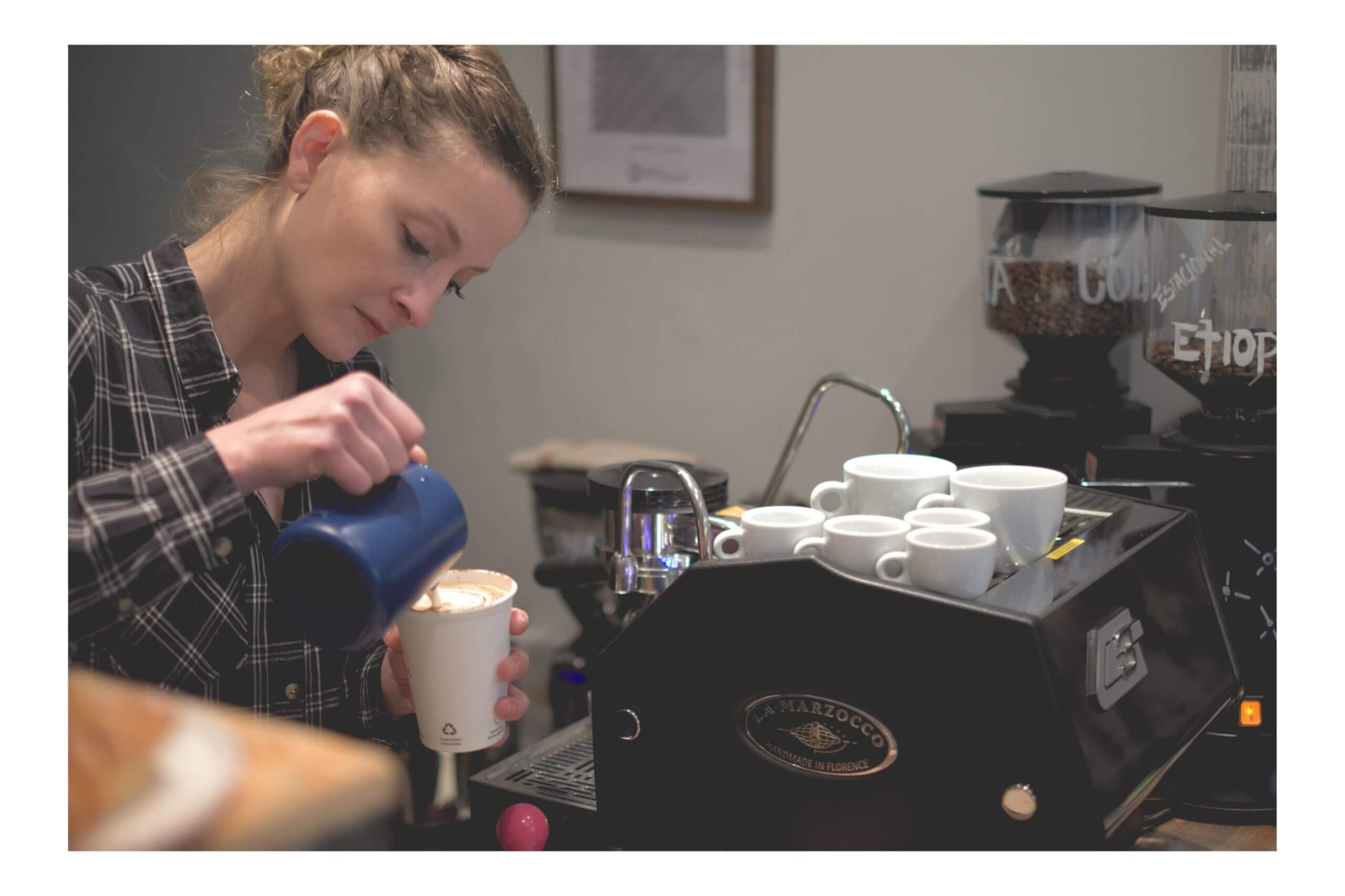
        Those of you who are in this world may still be familiar with the name “BICO”, a nice café that was in the heart of the Malasaña neighborhood in Madrid, fI love the coffee, Luis's lattes, and those delicious tortillas that Maria made.

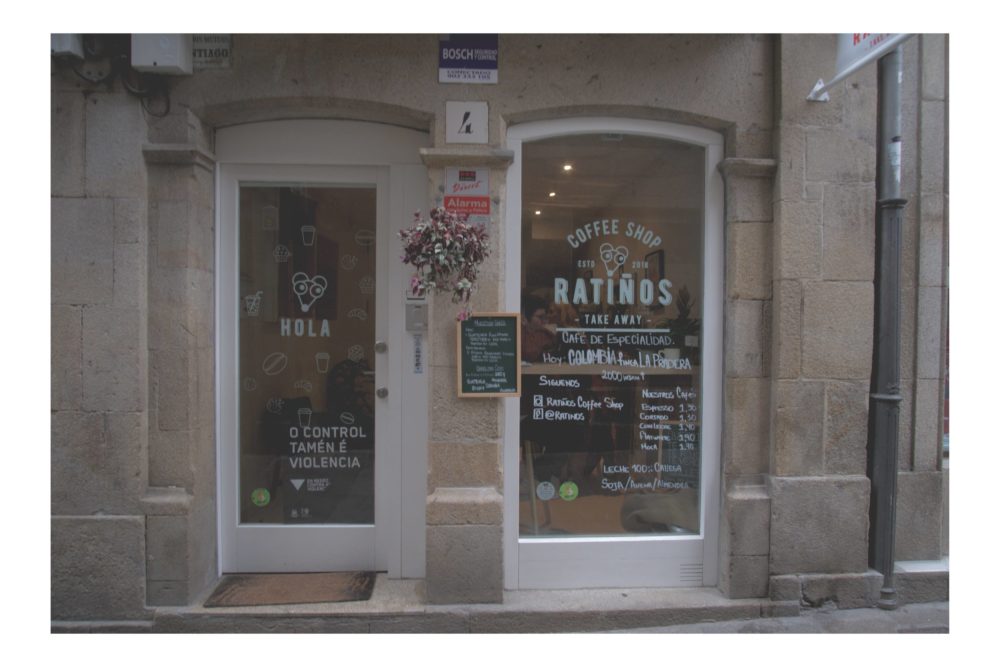
        They closed some time ago, they left, and I think my questions for Luis might be interesting to many people just starting out and looking to get started in this difficult sector. He wants to tell us his story and talk about his new project, "RATIÑOS."
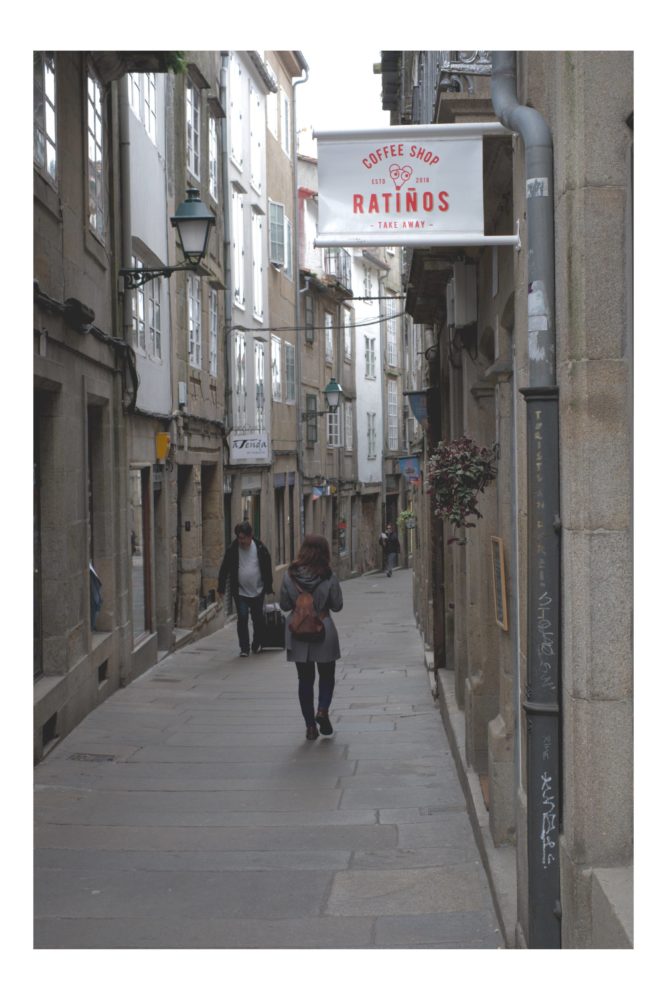
        For those who don't know you, tell us where you're from and why you chose to come to Spain.

        I'm from Venezuela, and sadly, the situation in my country is critical right now. I've been here in Spain for about eleven years. Even back then, the situation there was starting to get a little shaky, and I decided to look for an alternative because I didn't feel comfortable in my own country. There was so much insecurity, so much crime, so much impunity, so much corruption, and that, in the end, made me leave. I had a cousin in Spain, and I said to myself: this is my chance. I got all my papers in order, got on a plane, and without thinking twice, I came here in search of a better future.
How did you discover your passion for coffee?

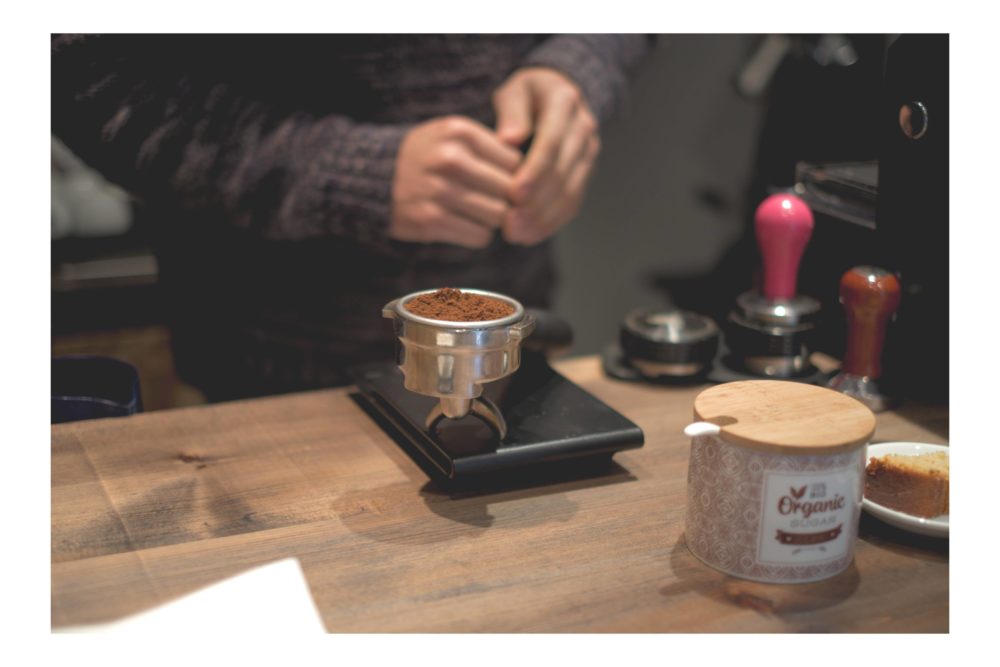
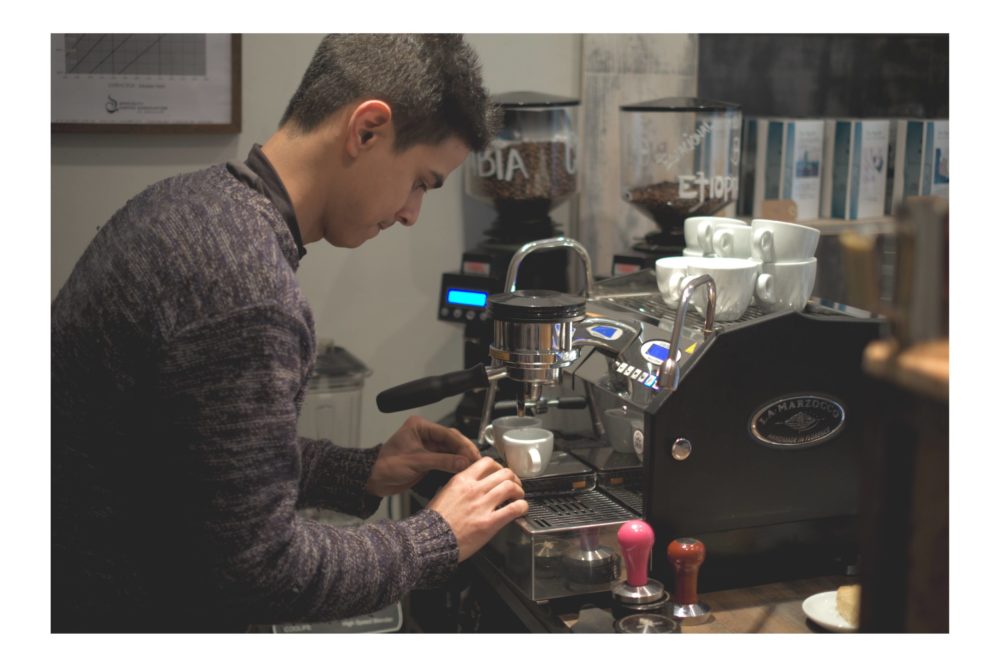
        Actually, what I liked was cooking. After a while of not knowing what to do because I didn't have the proper documentation, and since I loved cooking, by chance, I discovered the Zaragoza School of Hospitality. At first, I got into it to cook. But little by little, my dining room teachers, perhaps because of my demeanor, perhaps because they liked me so much, or I don't know why, moved me out of the kitchen and into the dining room. From there, I started working with José Luis Morón, who is someone who has been involved in the coffee business for a long time. I've also been with the "Coffee Forum", trying to learn a few things. That was my beginning, from then on it was nonstop.

What led you to want to open your own business?

        It's a combination of several things... the precariousness of the sector in terms of employment contracts. What's happening right now in the hospitality sector in Spain is terrible.

        Being my own boss, managing our own resources, and then also dedicating ourselves exclusively to coffee. Being able to provide good service and offer decent coffee is very difficult. And we said, well, it's a challenge, but it's also an opportunity. We seized it, and here we are.
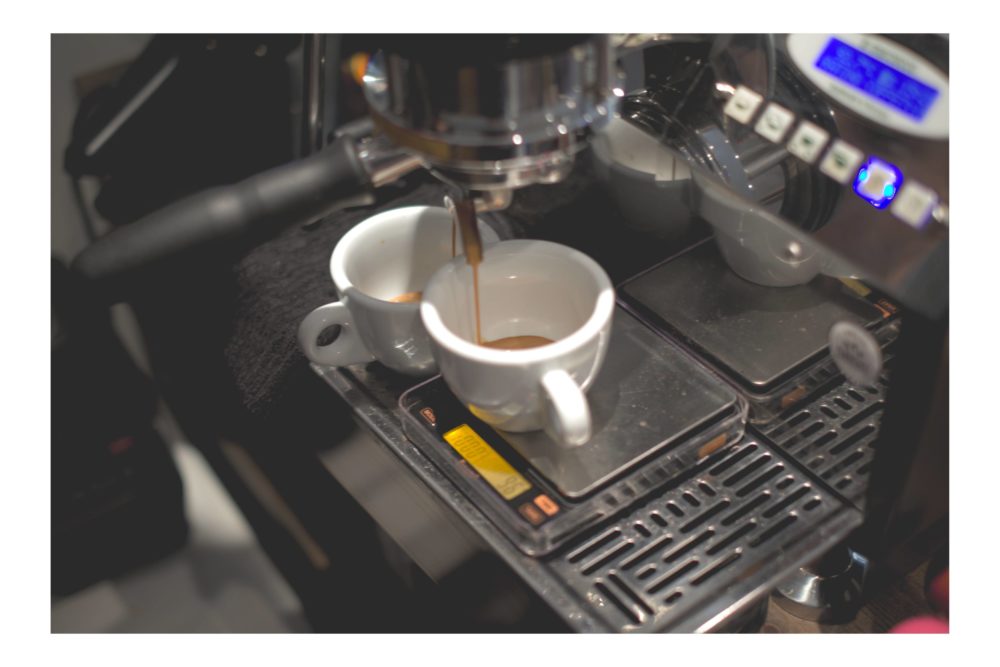
Why Santiago de Compostela?

        The reason is my partner, María. She's from here, from Santiago. We already had a business in Madrid, BICO, which helped us a lot to open our eyes to something that was becoming fashionable.

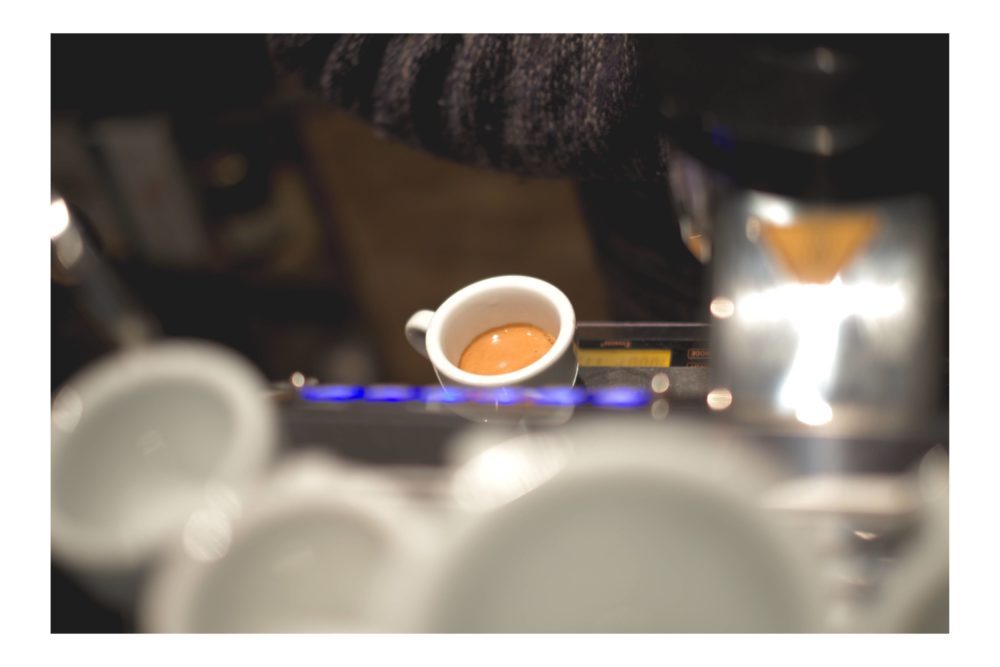
        But Madrid has the disadvantage that it's quite expensive, and life there is very difficult and quite stressful. Given all that, we decided, health and quality of life come first, and since María is from Santiago, we decided to come and invest in opening our project here. The truth is, we're super happy; it's an incredible city—above all, it's easier to breathe!

        How would you define “Ratiños” for someone who has never been here?

        As a very special place, small, cozy and with an incredibly high-quality coffee service.

What products do you offer?

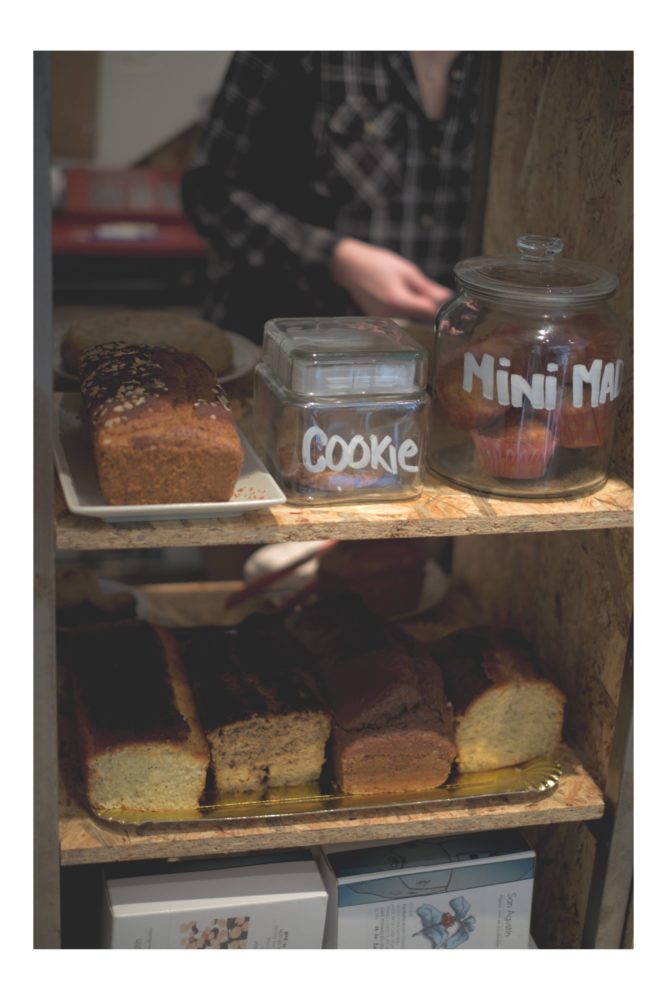
        Specialty coffee. We also have cakes, cookies, muffins, some pastries, and bread. Everything is homemade.
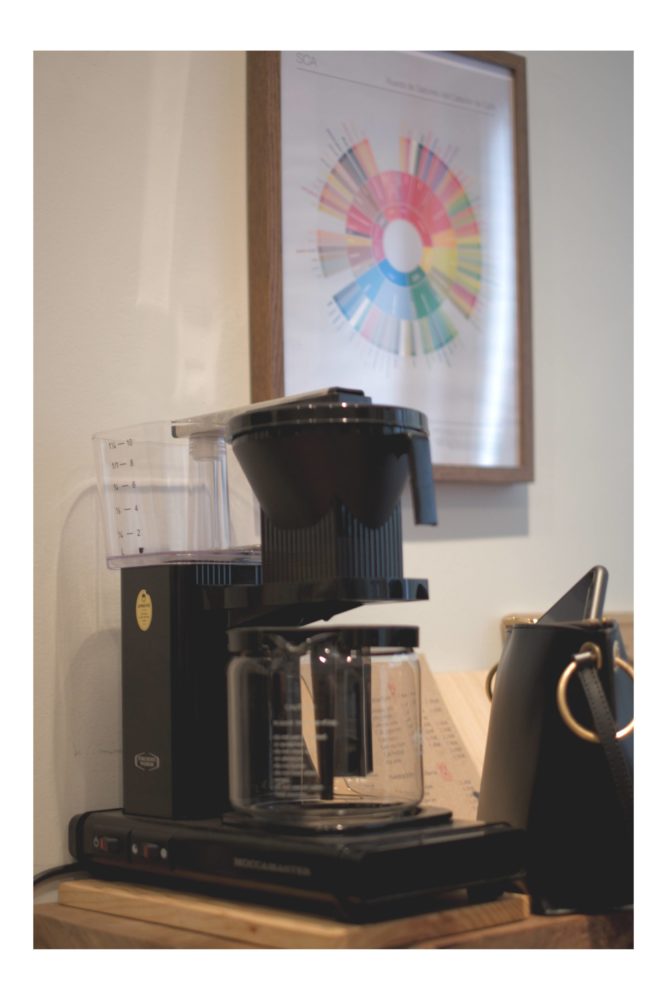
        Your roaster is now San Agustín, why?

        Well, I think it was a coincidence. We were working with another roaster in Madrid. I remember things weren't going very well with them, and suddenly, Luis de San Agustín contacted us. Right at a moment of transition. After our initial contact, he sent us some samples, and when we tried them, we said, "This has to be here, it can't be a coincidence!"
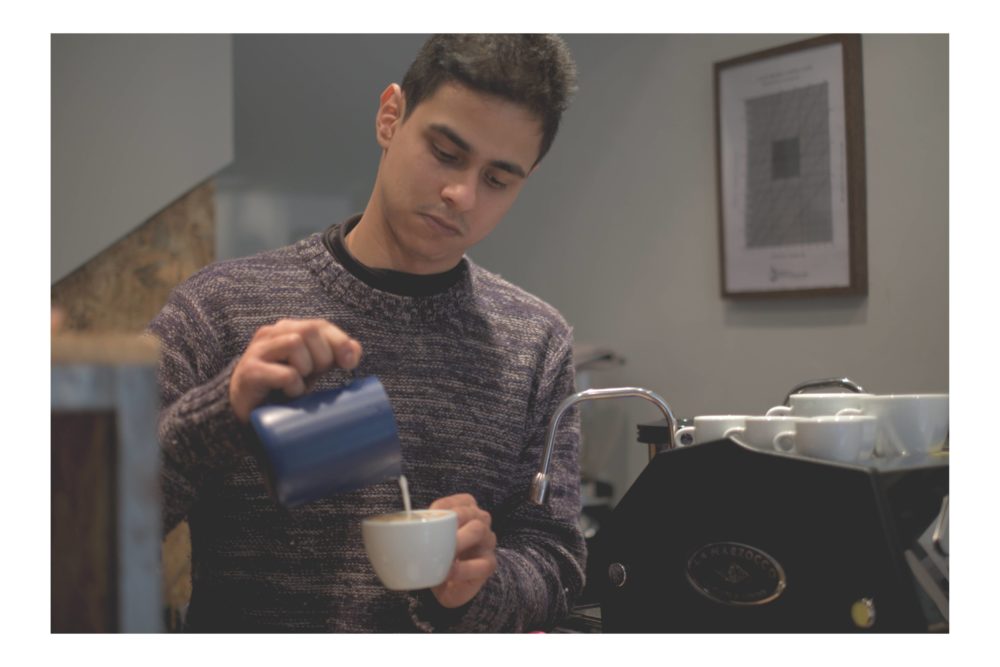
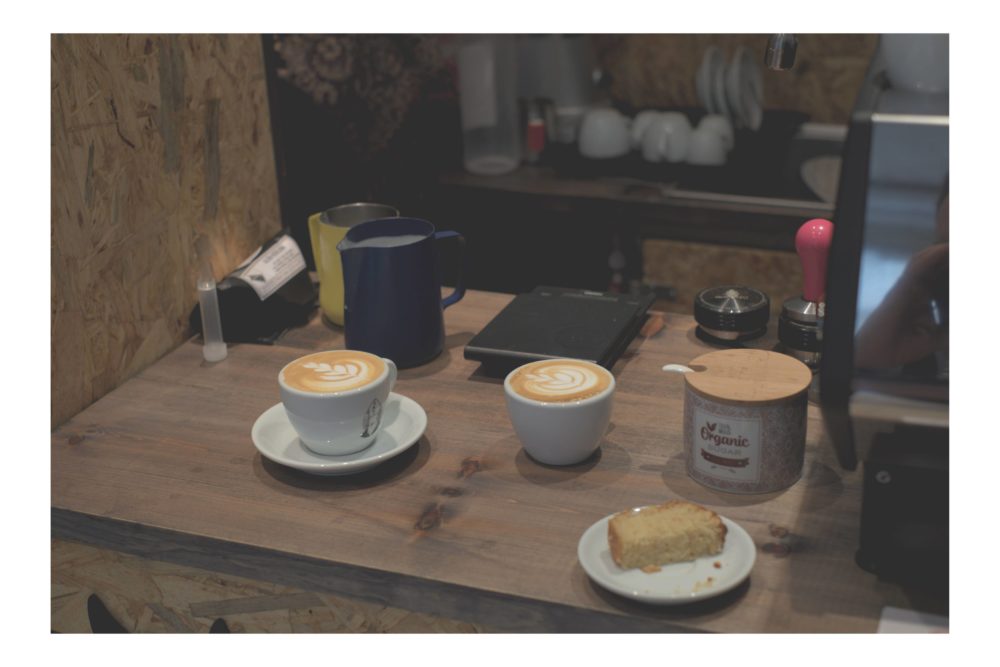
        How popular is specialty coffee in Santiago de Compostela?

        The response is always positive. They're surprised because the quality in the cup is unlike anywhere else. Each coffee has its own personality, and when it's prepared, it's treated differently, which brings out nuances. I think our role is to understand, through tasting, the profile of each coffee to offer each person a specific coffee. Being aware that there isn't much of a coffee culture here, I'm obviously not going to offer extremely acidic or exotic coffees. Sweet and balanced ones are better, and so things gradually change.

        Things are complicated here right now, but I think we can start paving the way, and in fact, we have to. We have to start paying attention to the quality and service of our coffee. People drink a lot of coffee here, yes, but I think the quality is quite lacking. That's why we're here, to try to pave the way.
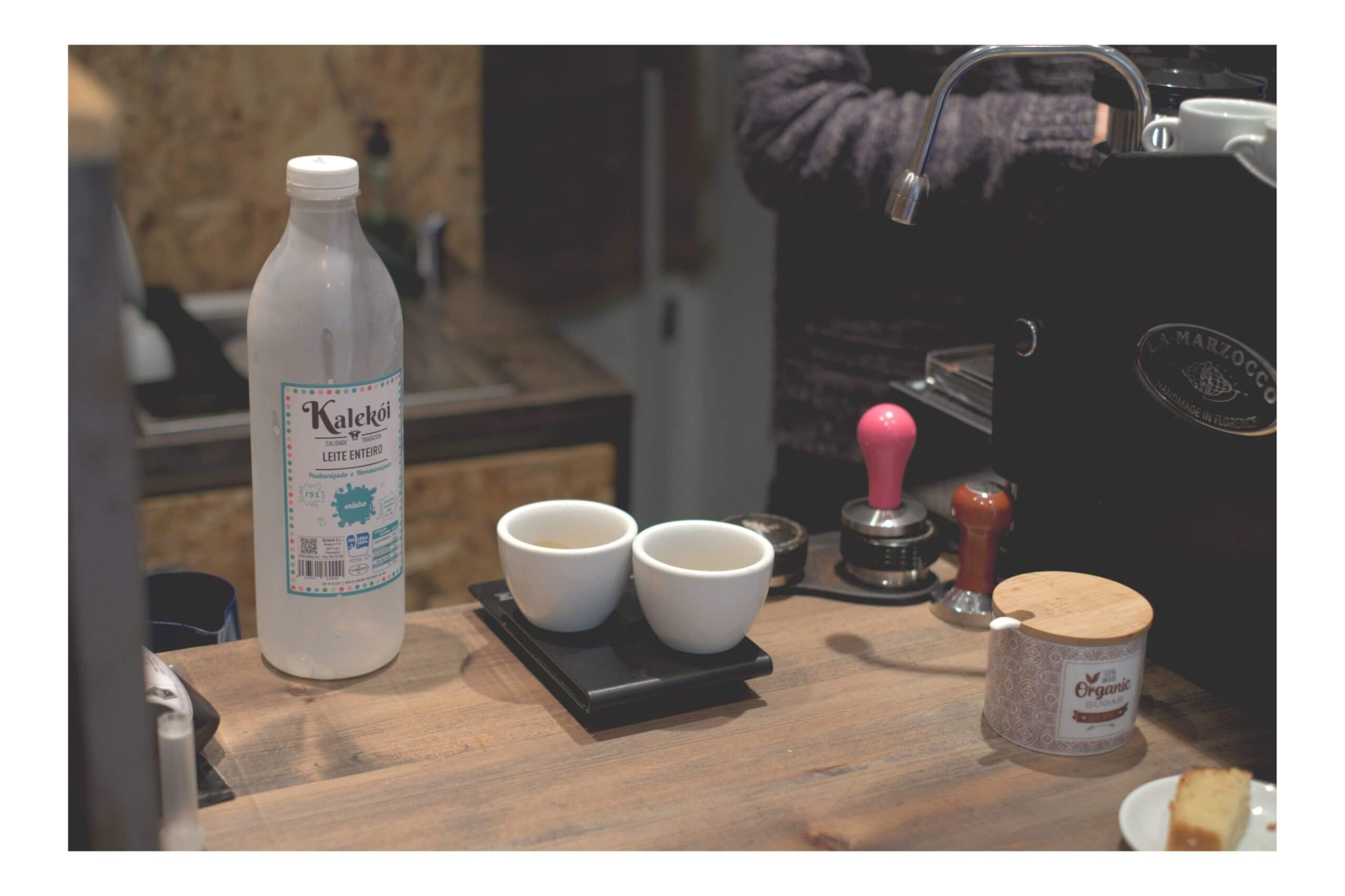
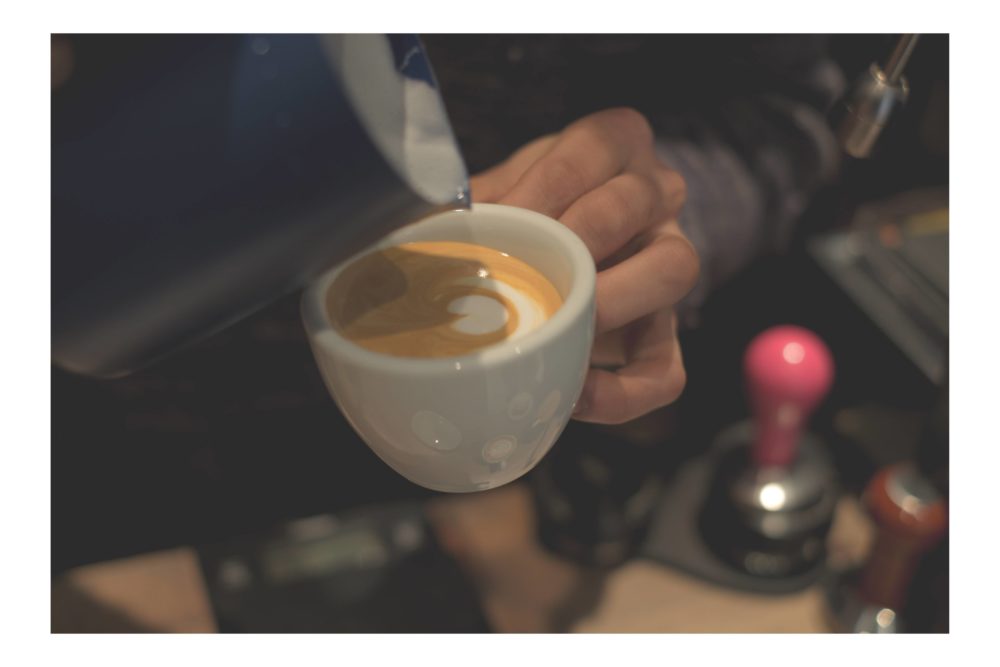
        Do you think personalized service is essential to educate customers about this product?

        Without a doubt, we need to explain why coffee really tastes the way it does. That it's not just something that comes in, you put it in the grinder, then press a button on the coffee maker, and that's it. No, no, there's a story, and whenever there's a story behind a product, it ends up engaging.
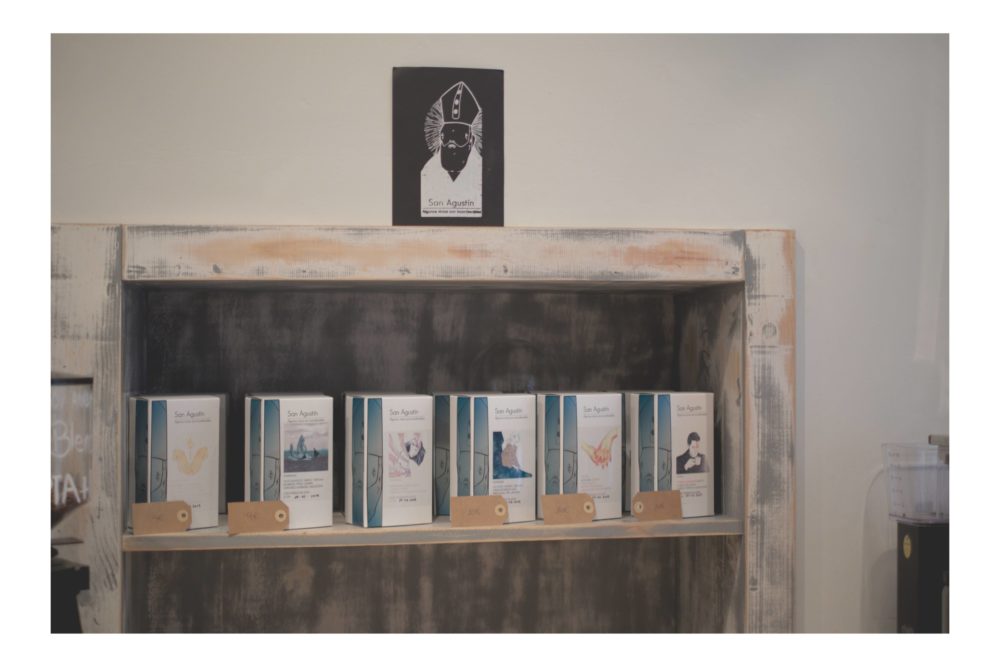
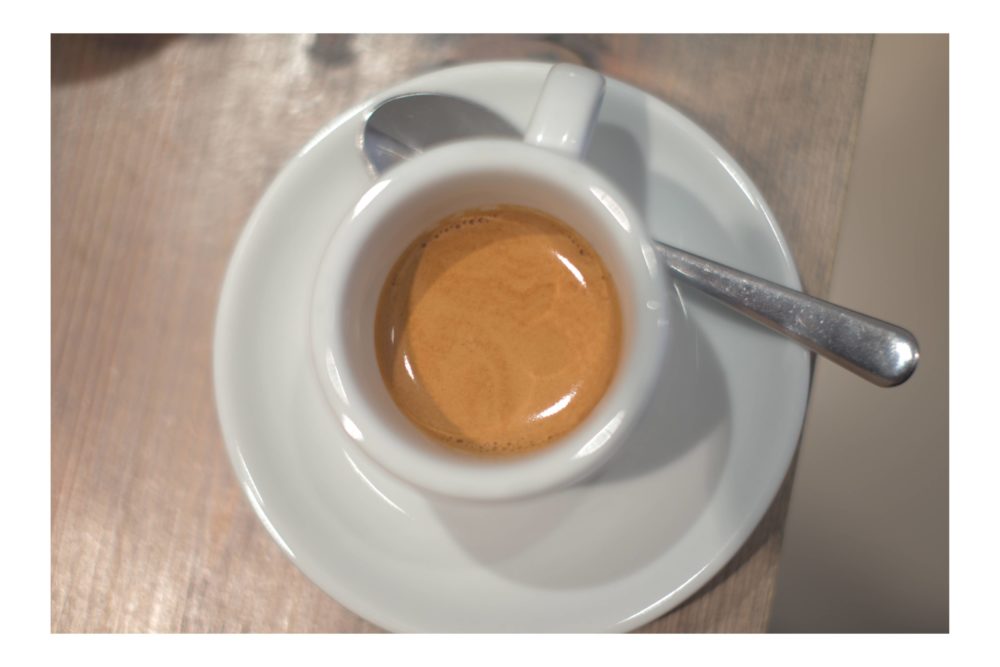
A coffee you'll never forget and why?

        Honestly, I'd say a coffee from Venezuela, San Cristóbal, Táchira State. When I arrived in Spain and tried this coffee, I found it surprising. In fact, San Cristóbal is right on the border with Colombia. Venezuela has very good coffee-growing regions, but unfortunately, nothing comes from there now.

An origin?

        Ethiopia

        What is your method of preparing the first coffee of the morning?

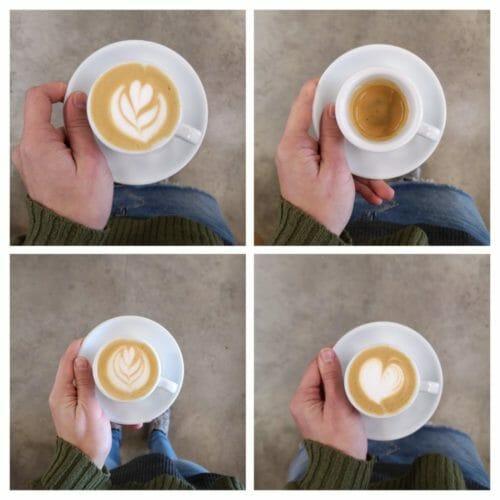
        I'll have a flat white. It's a drink that New Zealanders and Australians are fighting over. It's a latte with a much stronger coffee content, with a double shot. For me, that's the best to start the morning.

What future projects do you have?

        Expand on this. And well, why not have a farm in Venezuela when things get better? That would be great!
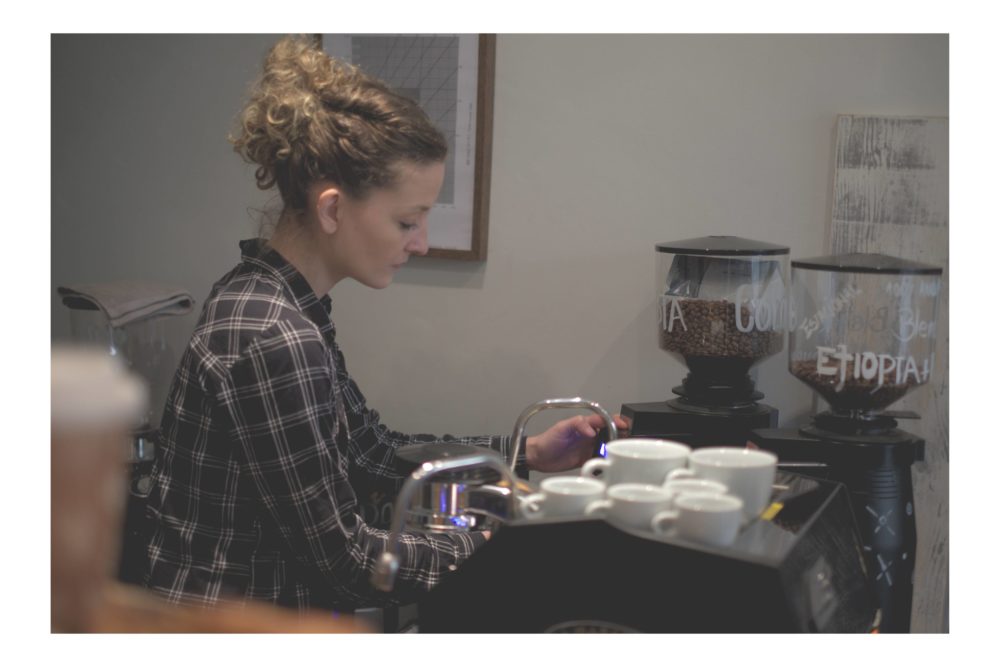
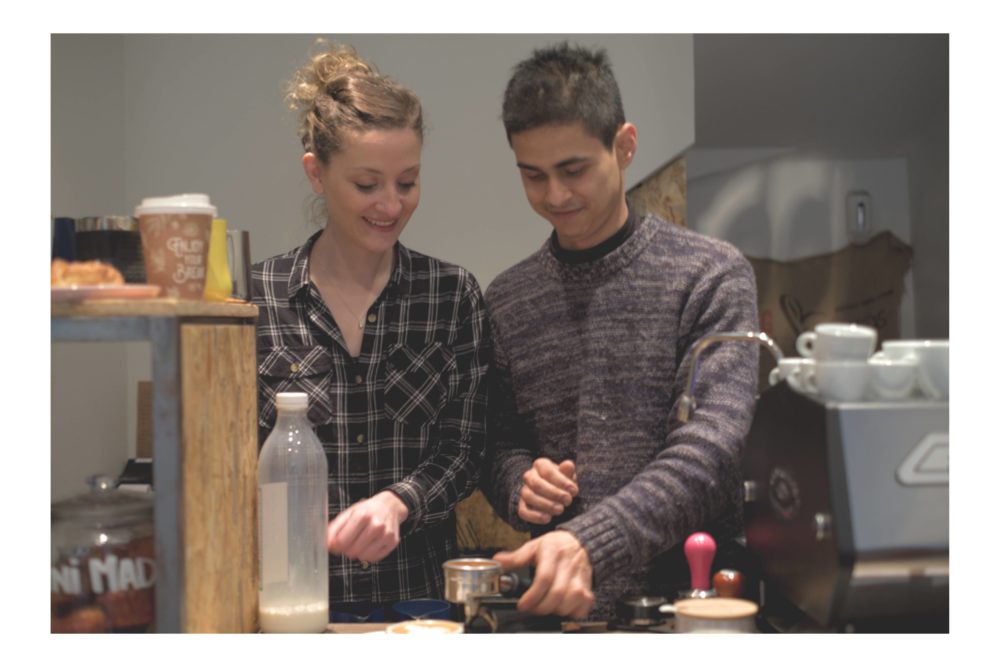
WHERE TO FIND THEM?

Ratiños Coffee Shop

Instagram: @ratinoscoffeeshop

Address: Rua da Caldeirería, N4, 15704 Santiago de Compostela, A Coruña

Telephone: 637 19 13 76

Posted on - Leave a comment

Do goats dream of coffee berries?

We go to coffee shops in search of good coffee, usually using an espresso machine. Espresso machines originated in Italy (Turin) over a century ago. They have evolved from steam engines to pistons to the more modern pressure pumps.

          This evolution in technology has led us to new coffee makers where almost everything is regulated: the amount of liquid (approximately 30 ml), the extraction time (approximately 25 inches), the correct temperature. All of this always takes into account and depends on the type of bean, the blend, the roasting, the packaging, the carbonation, the type of grinding burr, etc., etc., etc.

          There are also vending machines that don't even require a barista. They ignore all these things that are so important for good practice. (Necessary for those who don't have anything else.)

          A not-too-distant future could lead us to cafes without waiters—there are already robots being tested for this type of work. We can imagine that robot knowing our tastes during coffee, our topics of conversation, having the information we need at the moment, and always being polite and correct.

          In 1982, a futuristic film (Blade Runner) was released. The future takes us to Los Angeles in the year 2019 (current year). It wasn't as successful in theaters as expected, but over time it became a benchmark for fiction films. Pollution, darkness, constant rain, a city, and a softening planet. Fortunately, there are already inhabited colonies on other planets.

          Advances in civilization have reached every field: spinners (flying cars), replicants (human replicas so perfect they're hard to tell apart). Not only is it difficult to distinguish a human from a replicant, but as the film progresses, it seems that replicants are more human than humans, that the material they're made of can not only be replicated but also artificially enhanced.

          Some replicants had come into conflict with humans, and revolts had erupted in some colonies. Deckard is the Blade Runner tasked with eliminating certain replicants roaming unchecked within the system.

          These wanted replicants, who have arrived and seen where humans are forbidden due to their condition, seek out their creator (Tyrell Corporation) to give them answers about their existence. The dialogues and monologues of the Nexus 6 are either hymns to freedom or thoughts of existentialist philosophy.

          What the future holds is up to us, though it may be out of our hands. In the meantime, when looking for a good coffee shop to talk about movies: Be discerning and find good company with a professional barista and a Nexus 6 machine!

Posted on

Honorable Kenya

Honorable Kenya

        Karen Blixen was a Danish writer who was nominated for the Nobel Prize in Literature. Most readers of this section are probably unfamiliar with both her life and her literary work.

However, if I put the phrase "I had a farm in Africa, at the foot of the Ngong Hills" on the table, everyone quickly associates it with the film classic Out of Africa.

1986: Best Picture, Best Director, Best Original Score… In total, Out of Africa takes home seven statuettes out of eleven Oscar nominations.

The autobiographical novel tells how Karen Blixen moved from Denmark to Kenya, where, influenced by her husband, she decided to open a coffee plantation and found the Karen Coffee Company. At the time, Kenya was a protectorate of Central Africa belonging to the British Empire.

The film takes place in these African lands, blending stories of love, war, traditions, betrayals, and everything that has always attracted adventurers, writers, and film directors.

The fact that a coffee plantation was established in this country… and it failed is what catches our attention.

Anyone passionate about coffee knows that Kenyan coffee is one of the world's great coffees. Its volcanic soil, altitude, climate, and commitment to this product make it the most important industry in this country. Kenya's AA, its unique grading system, and the perfect balance and strength of its SL28 and SL34 coffees highlight its products.

They say it was French Catholic missionaries who introduced coffee trees near Mombasa… back in 1843 (Bourbon and Mocha varieties). Since then, these lands have struggled to become a world leader in the coffee industry.

To discover this excellence, we must turn to all those importers who investigate these products of origin. Did you know that specialty coffee only accounts for 1% of the coffee in this country (Spain)? However, its scores are consistently higher than those of commercial coffees.

Therefore, from this blog, those of us who must make writing a profession of resistance have the urgent need to reclaim the artisanal over the industrial, the passionate over the routine, the heart over reason.

Look for something more than just a cup of coffee, look for specialty coffee, break away from the monotony and enter a multifaceted world of sensations.

Posted on - Leave a comment

What is your profession?


           Leonidas, leads his hoplites to the Thermopylae Pass to confront the hordes of the Persian army. Along the way, his troops encounter an army from Athens.

           The Athenians' mission is to support the Spartans in holding off the Persian troops at the Thermopylae Pass. But the Athenians are surprised by how small a force Leonidas has. Proud of his soldiers, Leonidas addresses the Athenians and asks them about their trades (there are potters, blacksmiths, etc.).

           Leonidas turns to his army and in a martial voice asks his soldiers: Spartans! What is your profession? They reply…

           The world of progress has always tended toward professionalism. This, extrapolated to our daily lives, makes us think of the cardiologist who examines our heart or the writer who makes us dream with his words. However, when we head to a bar every morning to enjoy a cup of coffee and thus energize ourselves and gather enough energy for our daily tasks, it seems of little importance that the place doesn't specialize in it, that it doesn't know what type of coffee it offers or what blend it has.

           Nor is it taken into account whether the waiter puts the exact grams for the espresso, nor what type of crockery he uses, nor how long it takes to extract the milk, nor what the optimal temperature is for the milk.

           All this is because most people are uninitiated on the subject and don't care which type of coffee they prefer. Perhaps simply because they're looking for something warm to get them going, even if it's bad coffee, and to do so, they have to mask its flavor with lots of sugar.

           Therefore, I urge the constant search for places where specialization is the goal and where we can see the work done by professionals who want to show us their passion for this craft.

           In these establishments, you can smell the aromas they seek with every cup, carefully meticulously detailing the quality of the beans (provided by artisan micro-roasters), which adds their distinctive touch. The correct grind, the appropriate brewing equipment, the perfect extraction, temperature control, and even the delicacy of their lattes are their hallmarks.

          Every process is pampered down to the smallest detail, and sometimes even for the price itself.

          PLEASE! Don't go to war without warriors.

Posted on - 1 Comment

9 reasons to drink specialty coffee

apart from the fact that it tastes great!


MeditateEven the busiest of specialty coffee lovers in their busy schedules have one or two moments a day when they just stop and let themselves go. That's basically meditation. And no, it doesn't necessarily mean doing yoga. The simple act of making a cup of coffee in the morning is a kind of silent ritual, when only you and your morning brew exist in the world. The water is heating up, the filter is washing, the first drops of this precious liquid fall into your cup, you breathe deeply, thinking of nothing, only in the moment, letting the moment happen... Congratulations, I don't know if you noticed, but you've finished your meditation, and you're ready to start the new day :)

Explore – Drink specialty coffee It means constantly exploring. Exploring coffee itself, different origins, new varieties, new processes, new regions. Coffee goes from being simply coffee to something that's always new, always exciting. Have you tried the Mundo Novo variety? Have you ever had coffee from Guatemala? What kind of Brazilian coffee do you prefer? Do you remember the time when it was "just coffee," just a regular dose of caffeine directly into your veins? 

Love – I'm not going to lie when I say that when we go to a restaurant, we expect a chef to love their job, and when we buy clothes, we expect the designer to love what they're doing? Specialty coffee, in many ways, is a product of love. At every level, people in the coffee business love what they're doing. Isn't that a perfect reason to drink it?

Get closer to the product – It's not unusual to find the producer's name on a bag of specialty coffee now. How powerful is that?! Once again, coffee, which used to be completely devoid of personality, is now a product named after the person responsible for growing it. I think this is a huge step toward appreciating the efforts of the people around us in general, and understanding that things don't just appear out of thin air; certain people produce them for us. We're all interconnected. It would be a huge impact to know the names of the people who produced the food in our refrigerator, wouldn't it? We can start with coffee.

Consume locally – Specialty coffee is best when enjoyed freshly roasted, no more than four weeks after the roast date. This is why many people prefer to find local coffee roasters and buy directly from them, ensuring that the coffee they drink will be fresh, even knowing the roast date. This isn't really the case with commercial coffee purchased at the supermarket. By purchasing locally roasted specialty coffee, we support small (or not so small) businesses and contribute to the fact that people in their communities are living better lives.

Appreciate the details – Anyone who has tried to make a “simple” espresso from scratch knows how difficult it is. I mean it. Evaluating the coffee’s potential, “building” the espresso desired in your mind, choosing the ratio, adjusting the grinder, tasting the result, measuring the TDS, adjusting the espresso to the desired extraction rate. All these steps are just to make a small, "simple" espresso. Anyone who starts drinking specialty coffee immediately understands that beauty is in the details, and every detail is important. And absolutely not just in coffee, but in life in general. Starting with your cup of coffee, you end up appreciating more and more every aspect of life that requires effort.

Community Specialty coffee has one of the most dedicated communities around it. As you begin your journey, you'll find more and more people involved in the world of coffee (or discover that some of your friends have been doing it for a while), share your preferences, your discoveries, and expand your perception. New friends, new acquaintances, new people, all centered around one simple thing called "coffee." And you thought it was just a drink, right?

Improve your tasting – in the tasting of everything. This one is simple. When we start paying attention to the coffee we're drinking, we'll want to pay attention to more of the things we're eating. You'll want to try different beers, different cheeses, you'll think about experimenting with new wines. You'll discover that whiskey can be different, bread can be made from different types of flour, and with different levels of fermentation required. You'll try sourdough. Craft beer. Natural wine. You'll expand your palate. And in this way, you'll end up eating more consciously, paying attention to the flavor of products even more than before. You'll be able to savor nuances you never knew existed.

Finding Harmony – Drinking specialty coffee brings peace and harmony to your life. Making coffee in the morning is like a meditation. It brings you closer to the local producer and roaster. It gives you an insight into what it takes to grow a product like coffee and how much love goes into a coffee bean after all the work put into bringing it to your table. Coffee ultimately becomes much more than we ever imagined. And yes, it tastes incredible!

Posted on - Leave a comment

The Importance of the Espresso Machine

The Importance of the Espresso Machine
.

«"Look! It's a good espresso machine! The coffee here should be good!"

So here comes the first and my favorite myth about specialty coffee shops.

The machine.

How often do I hear, while working as a barista, "it's a good machine." People stop and take photos of the machine. For them, the brand of espresso machine is the guarantee of the quality coffee they'll get.

And the fact that some espresso machine brands have become so famous that even people outside the industry can recognize them is a huge step forward.

But that's not all.

For me, and for the person who works with coffee, this belief, that A good espresso machine = good coffee, sounds completely crazy.

But I keep finding more and more coffee lovers who think that a well-known espresso machine brand equals good coffee. So I see a need to talk about that.

Imagine someone bought a professional chef's knife for €500. Does that make them a chef? No.

And what makes him a chef? The ability to use that knife, making efficient, fast cuts of varying difficulty. Knowing how to care for the knife and sharpen it properly. Then, It is the skill that makes him a chef, among other things (such as creativity, knowing the products, the techniques, having an idea of what you want to achieve in a final dish).

A chef may have an expensive chef's knife or a cheap one from a local store; he'll still be a chef. On the other hand, someone who just bought a chef's knife doesn't necessarily know how to use it.

The same goes for the espresso machine. It may or may not be a well-known brand; it's not the machine that makes your coffee automatically (we're not talking about super-automatic machines here). It's the skill of a person who's making coffee for you right now. 

It seems simple, but I also understand why this idea comes up. We always try to simplify things for ourselves, generalize, draw conclusions, and make quick decisions.

"Does this place serve good coffee? Probably yes, because they have that machine!" – a good quick way to decide whether or not to go into the cafe.

Often, however, the opposite happens. People who have just had a coffee come up to me and say, "That's a good espresso machine!" as if I were there just to keep that machine company...

It seems like anyone can come and make a coffee on that machine, and it will come out great, just because the machine is so good.

For me, as someone who constantly gives workshops to coffee shop owners, trying to teach them how to use their coffee equipment, both good and not so "good," the reality is quite different.

The problem, and the beauty at the same time, of specialty coffee is that it's complex. It's a set of certain conditions that must be met for a good cup of coffee to end up on the customer's table in the café or in the kitchen of a coffee lover.

The machine is one of them, yes. But to give you an idea, it's just one of many conditions on a long list.

The role of the espresso machine is basically this. It has to provide a stable flow of water at a stable/controllable temperature and pressure, and ensure that it comes into contact with the coffee as evenly as possible. That's it. Nothing more, nothing less.

The other big part of what makes a good specialty espresso at the coffee shop: quality coffee, quality roast, quality grinder, grind pattern, espresso recipe—has nothing to do with the espresso machine.

My point is, and the goal of this post, is to give you an idea that specialty coffee is a complex mechanism that depends entirely on the qualifications of the people involved (coffee producers, roasters, baristas) that is impossible to explain and reduce simply to one factor – for example, using a certain espresso machine.

It can't just be that.

It has to be everything, or nothing will work.

Posted on - Leave a comment

Once again on the water issue

Once again on the water issue

What is the right water for making coffee?
What water are you preparing it with?

I've been facing a lot of coffee superstitions lately, or some kind of beliefs, and the topics related to water for making coffee are the ones that generate the most questions.

Questions and doubts about water that are winning:

  • The battle of the "correct" coffee recipes for different methods (Coffee recipes aren't set in stone; it's good to experiment, not just repeat after someone else. They have a different coffee, different water, a different grinder – why repeat? Hoping it will work anyway?))
  •  the idea that roasting for espresso should be darker ((only if you want it that way or for some reason you got used to it, but it is definitely not mandatory),
  • and the question "Why does coffee taste salty?" (because it is under-extracted).

And yet, among all of these, the water issue continues to create a lot of confusion.


To name a few: some people defend their position that the softer the water, the fewer minerals it has, the better it is for making coffee (question: “Why not use distilled water?” It has none at all, so I guess the coffee will taste better?).


Some people opt for alkaline water, believing that a higher pH contributes positively to the flavor of coffee prepared with that water.


Maxwell Colonna-Dashwood and Christopher H. Hendon have already addressed the topic of water in coffee in their book, Water for Coffee: a must-read for those interested in the subject, focusing on how water works and what elements contribute to coffee flavor and how. Consult this book if you want to understand why low-mineralization water isn't the best choice for making coffee, and why coffee water shouldn't have a pH of around 9 or 5.

The truth is that coffee lovers around the world continue to search for the best water for making coffee.

So… What is the right water for making coffee?

I'll answer this question from the perspective of a roaster and coffee drinker, leaving aside the "coffee geek" (being a coffee geek is useless...).

The right water for brewing a particular coffee from a particular roaster is the water that roaster uses to taste their coffee when looking for the roast profile. Period.


You may ask me why.

Why can't I use water "X" because I consider it to be the best water for making coffee?

Or “Y” water which is very soft?

Or “Z” water that…


The truth is that you can.

And if you've learned enough about water and what contributes to coffee extraction, you can even make your own water with ingredients you can easily buy at the pharmacy. It's all fine, really, as long as you don't claim that only this particular water is suitable.

But there is one important detail, no matter what water you choose to use.

There is already water involved. Before you even brew the coffee you get, that coffee has already been tested. With a particular water. The roaster was cupping it with a certain water, and was guided by the results of that cupping, looking for a specific roast profile. He, intentionally or subconsciously, tuned the coffee to the particular water.

And that will be the best water to drink that coffee, whether you want it or not.

Roasted coffee is always roasted to a specific water temperature, and it would make life much easier, and coffee drinkers more satisfied, if that idea had been communicated more widely. Every bag of coffee you've ever bought was roasted to the water temperature the roaster uses at the location where they cup the coffees. Whether the coffee is from Sweden, Norway, Denmark, the United States, or Germany, each of them is water-roasted in their cupping rooms.

It's probably happened to you before. You bought a coffee from a beloved roaster, opened the bag, brewed it at home... And you weren't impressed, or rather, disappointed?

Most likely it's because the water you used and the water the coffee was roasted in were dramatically different.

The message I want to convey with this post is simple. Buying locally roasted coffee, aside from the benefit of fresh roasting, has an additional benefit, hidden from public view, but ultimately even more important. Local roasters probably roast for local water. They roast for the water you have at home.

What does this mean in practice? You can literally make your coffee with tap water and get wonderful results.

So… What water are you making your coffee with?

Posted on

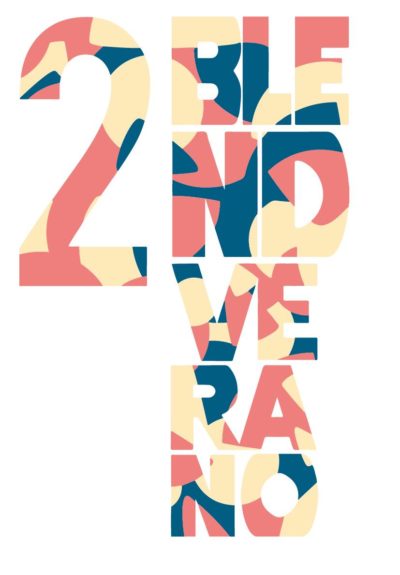
Blend 2.Summer

Summer has arrived (officially, at least), and with it comes our new Blend 2 Summer.

Even though we're no longer children, summer still has a certain freedom. Summer means going to bed later. The smell of freshly cut grass and the sea. Bike rides (the Tour…) and soccer games in the neighborhood square. Camping. Family. The heat. Ice cream, milkshakes, and lemonade. Above all, summer is always something new. Every summer is different, and every summer is a step forward.

Our head designer, Lisa Palper, has understood our intention in creating this blend. It's not a complex list of tasting notes. Summer is sentimental. It's passion, freedom, and warmth. But above all, summer is nostalgia.

Blend 2.Summer

We're eager to bring you our newest seasonal blend: Blend 2.Summer.

We'll miss this blend, but for now, we'll drink it all.

Run to our Blend 2.Summer!

Posted on - Leave a comment

Specialty Coffee: Where will being so geeky lead us?

It's been a month full of events and thoughts. And we're not even talking about the upcoming World Barista Championship, as everyone is waiting to see what will happen there in Amsterdam, who will make the final, and who will ultimately emerge as the champion.

True, right?

I had a "geeky" article
About water and coffee, ready to be published, but I'll put it on hold for a moment. However, I'll talk about water and coffee from another perspective.

I constantly feel like specialty coffee is becoming too "geeky." In a sense that "geeky" is different from being professional. So "geeky" that we're in danger of forgetting that coffee is like any other beverage or product. Like beer, wine, tea, whiskey, cheese, bread...

Coffee is as complex as any of these products. It is one of them. And while it feels good when you know what you're drinking or eating, and can distinguish the details and quality, it's not absolutely necessary for a good experience. It elevates your experience, yes, but only under one condition. When you are curious to know more about the product. Only in this case. In all other cases, knowing more about the product only irritates him.

How can you simply enjoy a good bourbonYou can enjoy a cup of coffee and then go on with your life, without going into the details of how it was fermented, harvested, grown, and knowing the names of all the workers who touched the cherries. It's not necessary.

I'm getting a little tired of the geeky stuff that leads nowhere.

I'll give you an example.

World Barista Championship
.

Geeks know that the water you use to make your coffee is very important. They know it needs to have certain levels of certain minerals to extract the coffee properly.

But what are they doing with that information?

They want everyone who makes coffee, no matter how professional, to use water with certain specifications. Because coffee must be roasted to the ideal water. If people don't have it, they have to buy filters, buy bottled water, look at the stickers, add minerals, etc. Do whatever they want, because water is important and everyone has to use good water to make good coffee. Period.

What this basically means is that they want a grandmother who buys coffee for her family Sunday lunch to be a geek over water. Or a super busy guy who needs coffee for fuel in the morning to do his v60 only with a certain type of water. Or a mother of three. I could go on, but you get the idea.

The truth is, not everyone wants to do it. Most people just want to drink coffee and get on with their lives. The roaster's job is to roast coffee for the most common water used, or for the recommended water that the customer can easily purchase. Not for a certain "ideal" water, which is unattainable for ordinary people and requires mineral stocks and additional investments, such as purchasing filters, etc.

That's why big brands thrive. Because they make it simple for the customer. And they're rewarded for it.

Information about water is valuable. It can give you, as a geek, almost superpowers.

Now that you're no longer blaming the roaster, you can take things a step further: "What if this coffee tastes flat because it was roasted for a different type of water?"

Do you see the difference?

Not "This coffee is poorly roasted" or "This coffee tastes bad because it doesn't work with my ideal water." But the question "What type of water was this coffee roasted for?"

Don't force the world to revolve around you, but use knowledge to your advantage.

Today I made a new coffee from a roaster I tried for the first time, with two waters. I made the first V60 with filtered and remineralized water, and it tasted sour and flat. Then I thought, "Okay, the guy's from here, so it's probably his idea to roast for tap water." I made a coffee with tap water, and it had a balanced, sweet flavor.

I think this is what being a coffee geek is all about. It's really about using knowledge and not pressuring the whole world to change because "they're wrong, they need to be educated about coffee."

I'm really in favor of that kind of thinking, that kind of growth as a professional. You need your knowledge to be able to follow the rules. And when you know how to follow the rules, you can think further and learn how to start breaking the rules and get even better results.

But keep in mind that not everyone who drinks coffee wants to be "polite."

If you're a coffee professional, having education and training in the field, especially during your early years, is crucial. For you. To serve better.

But being a coffee drinker in general is a different story. Just like you're not asked for a license when you're about to enjoy your whiskey, beer, or tea. You just do it. And it's the job of cheese/beer/whiskey makers (and coffee makers among them) to make it accessible and easy for you to enjoy their product.

Posted on - Leave a comment

Searching for the Unicorn: Espresso and Filter Roasts

…is there really a significant difference between them, or is dividing roasts this way more of a remnant of the past?

I was trying to buy a coffee from a Spanish roaster This morning, I found that distinction again. They have two types of roasts, for espresso and filter, and they don't recommend using filter coffee for espresso. I didn't buy the coffee for other reasons (€10 for shipping a 250g bag, really?), but I got to thinking about it. About espresso/filter roasts, and how one can taste good only in one method, and not be recommended for the other.

I won't tell you anything new, but I will say that only in the last two or three years, due to the development of coffee roasting software, better grinders, and our growing understanding of extraction and solubility, has roasting coffee become something that can be considered a more or less repeatable process. Only now are we getting closer to being able to repeat the same roast profile over and over again. And for the coffee to taste the same. Some kind of quality, in that sense, has appeared, or is only now appearing, in the specialty coffee segment.

Just now, guys.

All that time before, roasting was surrounded by some kind of magic, and was considered a craft, for which you need to have "a feel." All that sorcery with taking out the trier, smelling the coffee beans, checking the color, when it's the right yellow, when it's not yellow enough—all of that has been completely arbitrary, and definitely completely imprecise.

I'm not even talking about the fact that nervously removing the trier means upsetting the reaction taking place in these coffee beans, and eventually making the roast even more inconsistent.

Today you have enough light, and you, with your imperfect human eye, decide this yellow is the right one. Tomorrow you're tired, you didn't sleep well, your eyes tell you something different: you make a different decision. Were the profiles the same? I doubt it.

And espresso and filter roasts existed, and were practiced, long before we had any idea what was going on inside the roasting machine.

So, which roasters were paying attention to was obvious, something that was always available, always at the forefront. Color.

So, in this way, “traditionally,” “espresso roast” is a darker roast, and “filter roast” is a lighter roast. And, of course, each roaster It has its concepts of lighter and darker. Therefore, there is more inconsistency and disorder.

Now that we've entered the era of Cropster and other similar coffee roasting programs, we know more and more objectively. Actually, here's a little secret: roasters don't need to get out the trier and visually "inspect" the coffee. Those photos you see everywhere, guys staring at the beans, pretending to look for something... There's no need for that. It's done because that's how it's been done for years and years, when there were no other ways to assess the state of the roast except using your vision.

So, why did these "espresso" and "filter" roasts appear? They made sense before, but don't anymore.

They serve to mitigate underdevelopment.

The roasts that prevailed throughout that time were "cooked." We didn't have enough knowledge to roast light and still produce a sweet coffee. The light roasts, if they succeeded, lacked sufficient sweetness, with intense and unbalanced acidity.

Imagine something like this in espresso, in the method that basically intensifies everything in the coffee. You'll get a sour liquid with no trace of sweetness whatsoever. But if you roast it a little longer… If you roast it longer, the acidity will no longer be a nuisance; the aromas in the coffee will be represented primarily by those from the dry distillation phase… You'll lose complexity, yes, you'll have a flat, lifeless coffee, yes – but the acidity will no longer be a nuisance.

There was no way, no understanding, no idea that this could actually be done—to balance acidity with sweetness, without turning the coffee into carbon. So, espresso roasting was a way to make coffee drinkable in espresso. And at the time, what they were doing was roasting to mitigate acidity and "hide" the underdevelopment behind burnt and smoky notes.

That was before.

But now we have much more control, and we can actually control the roasting process to achieve the desired levels.

And the question is, if the coffee is well developed, shouldn't it taste good using any method?

What do roasters mean by "espresso roasting" now?

What is it supposed to be?