We walked through the cathedral square, dazzled by the spectacle unfolding before our eyes. The Romantic Market had been set up in the Sierra Pambley Foundation, an old 19th-century mansion that had been tastefully and elegantly restored. There were several rooms and two patios, one with a stage where traditional music concerts were performed, and a bar serving drinks and tapas.
They sold all kinds of products, from handmade clothing to ceramics and jewelry. Many of the vendors were local artisans, but there were also exhibitors from other provinces who had come to showcase their skills and promote their work.
In the middle of the square, a crowd gathered to watch the parade of banners and decorated floats representing each of the province's towns. It was a tradition that dated back centuries and remained very popular among the residents of León.
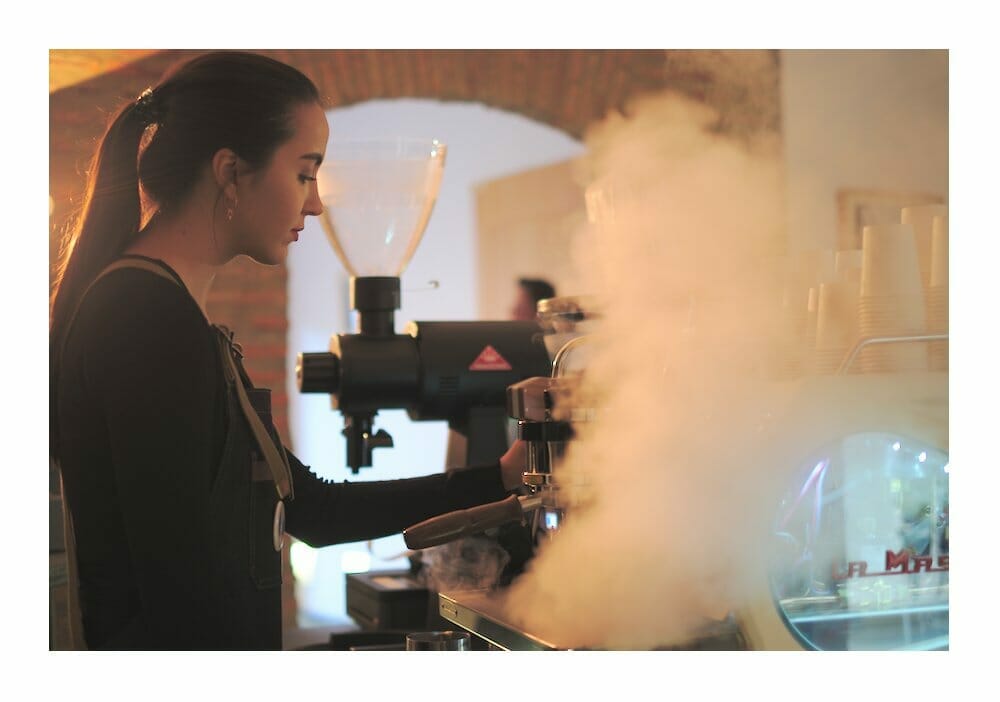
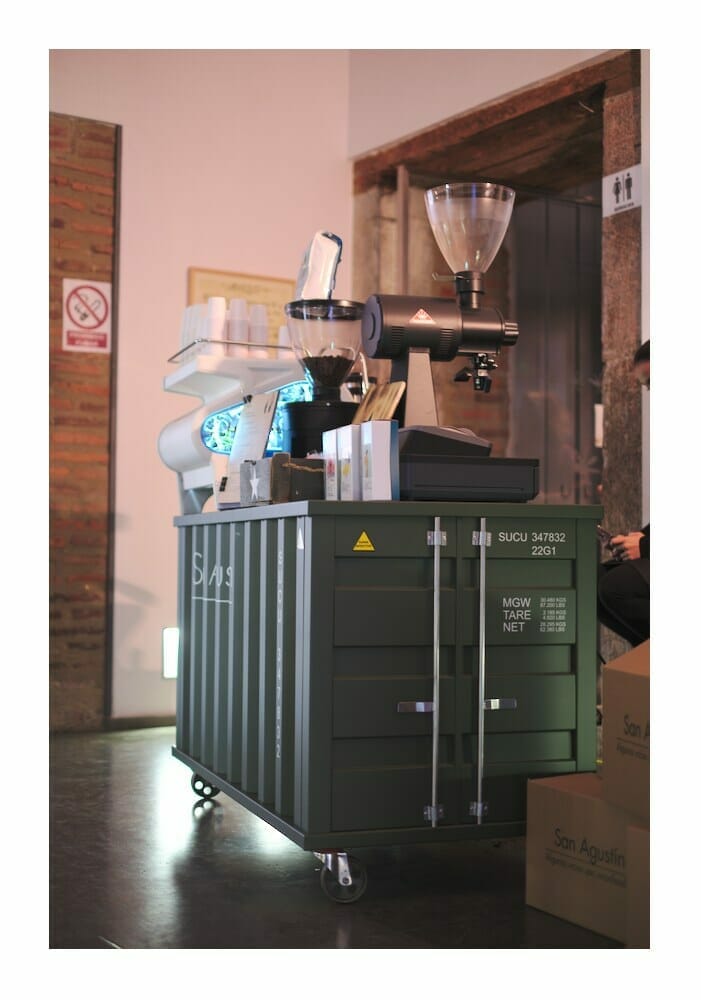
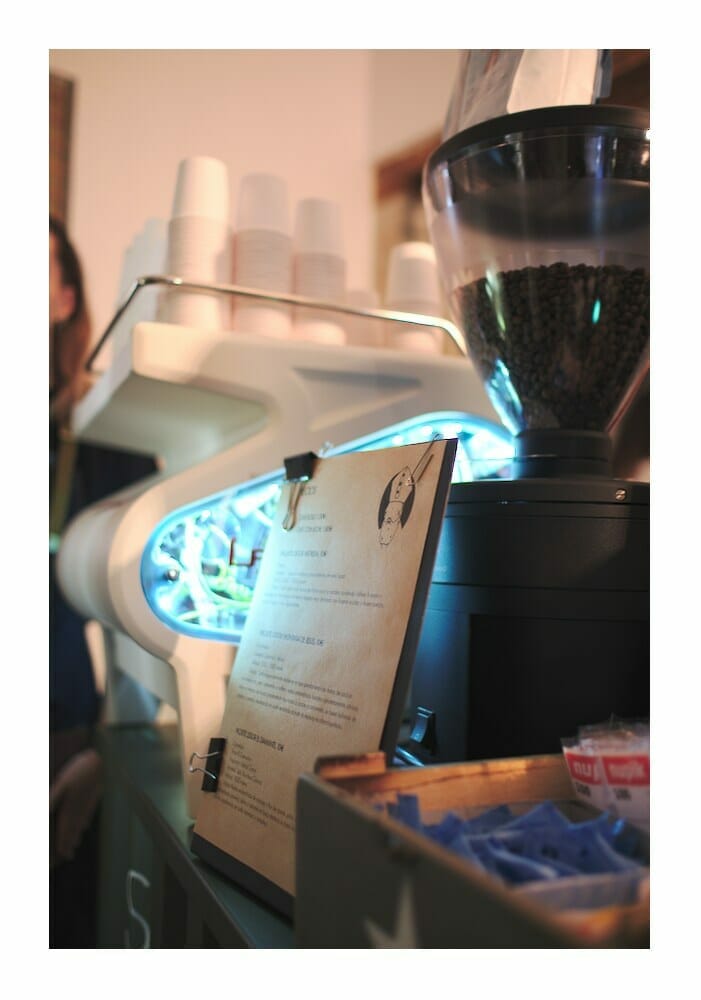
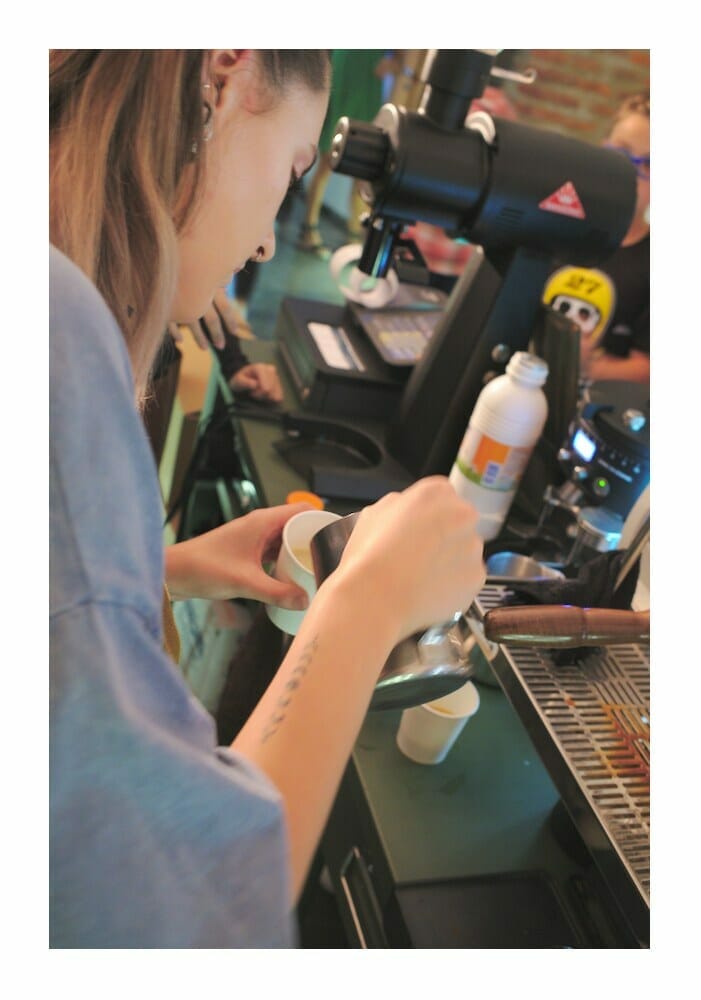
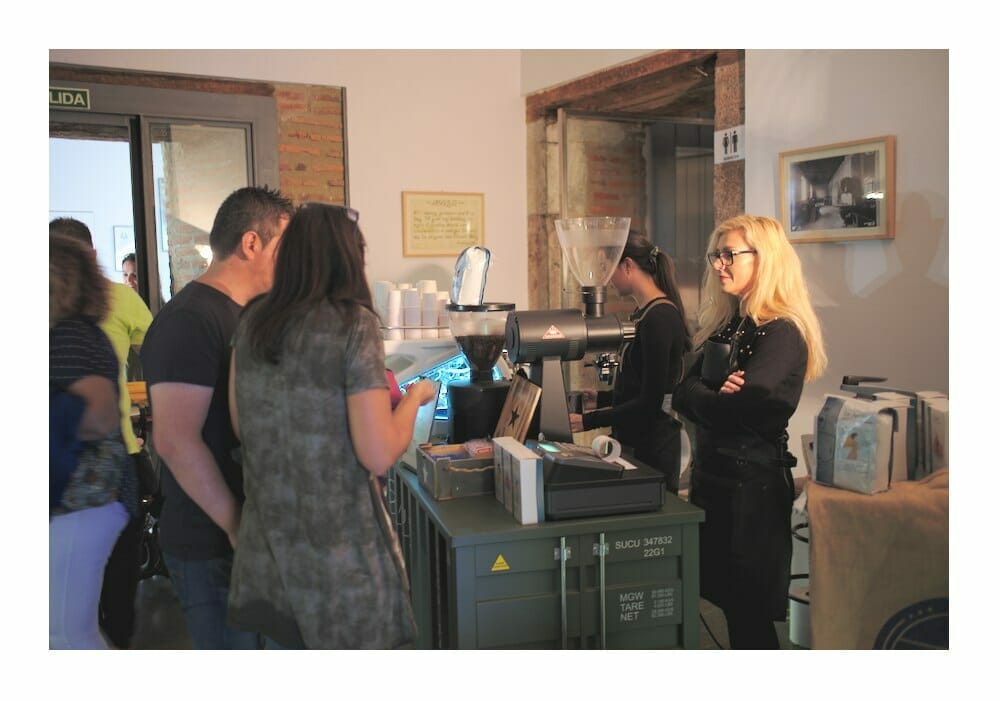
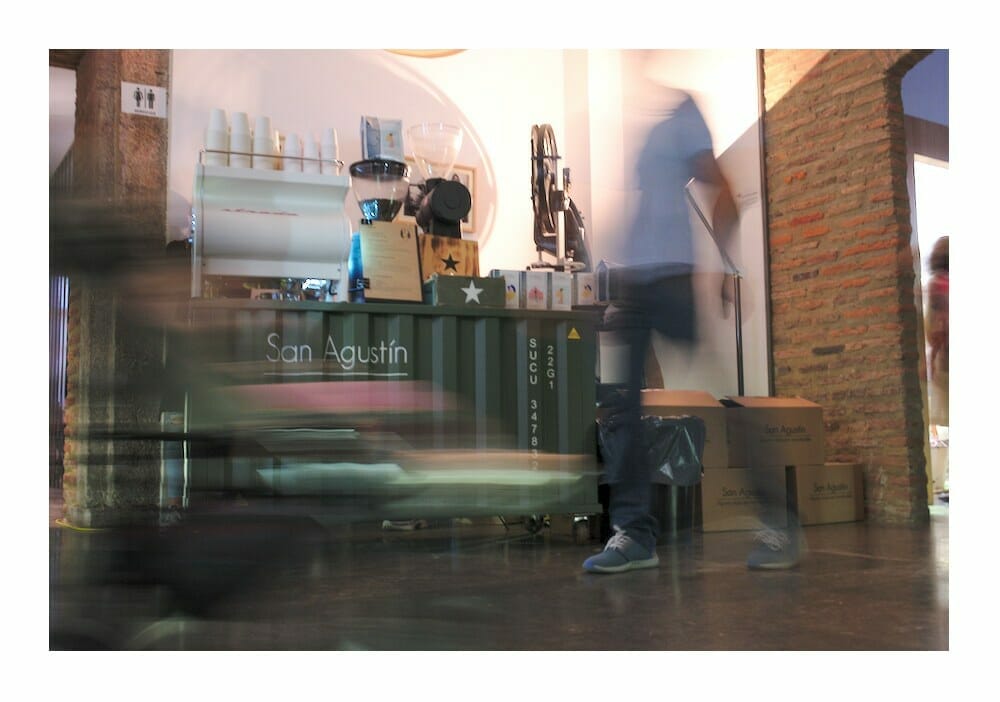
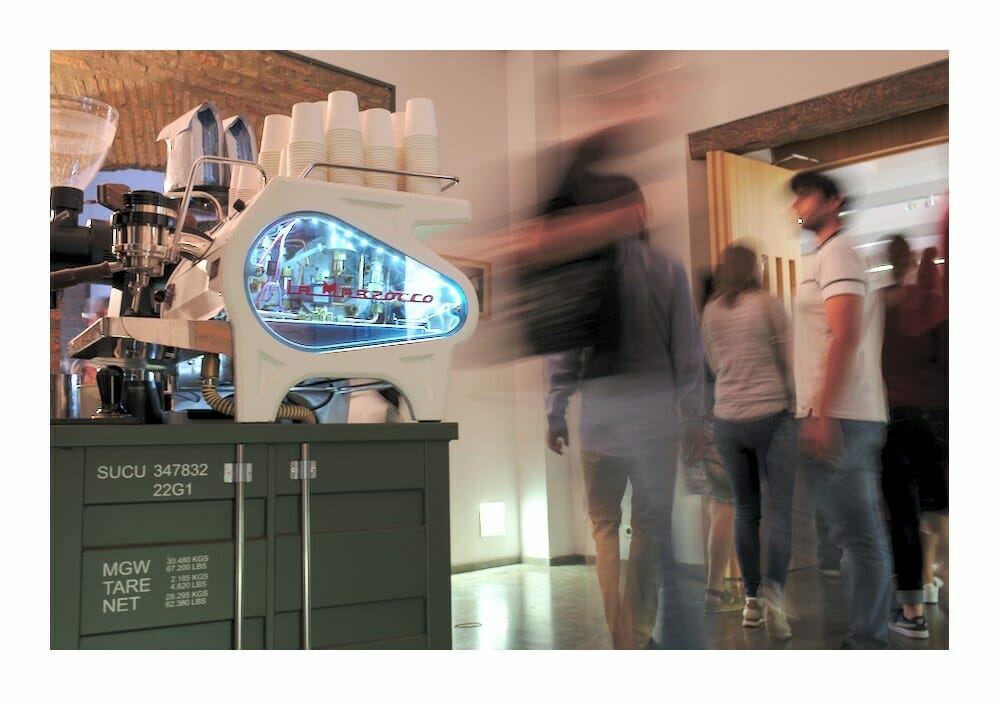
We headed toward our small shipping container, which we had designed especially for this event. It had been built by our friend Jose Manuel Rubial, a man who had dedicated his life to building unique and sustainable structures. We were proud to be able to offer our delicious coffees in such a special place.
People flocked to our small stand, curious to try our delicious coffees and chat with us. It was a perfect day to enjoy the Romantic Market and the San Froilán festival. We were happy to be part of this tradition so beloved by the people of León.
A few days ago, our friends Erwan and Sarah returned to visit us. We had known them for a year, and they had amazed us with their photos, videos, and way of life.
It's always exciting when you get a message from them saying they'll be visiting again.
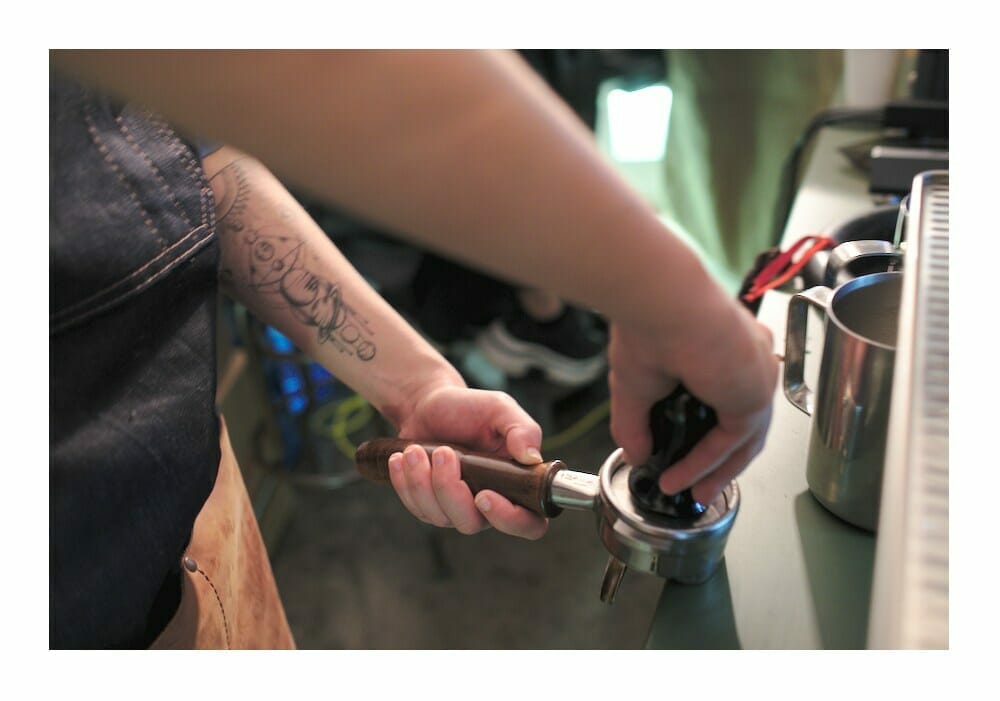
The plan this time was to spend a whole day with us doing a photoshoot long enough to have publications for a while in instagram.
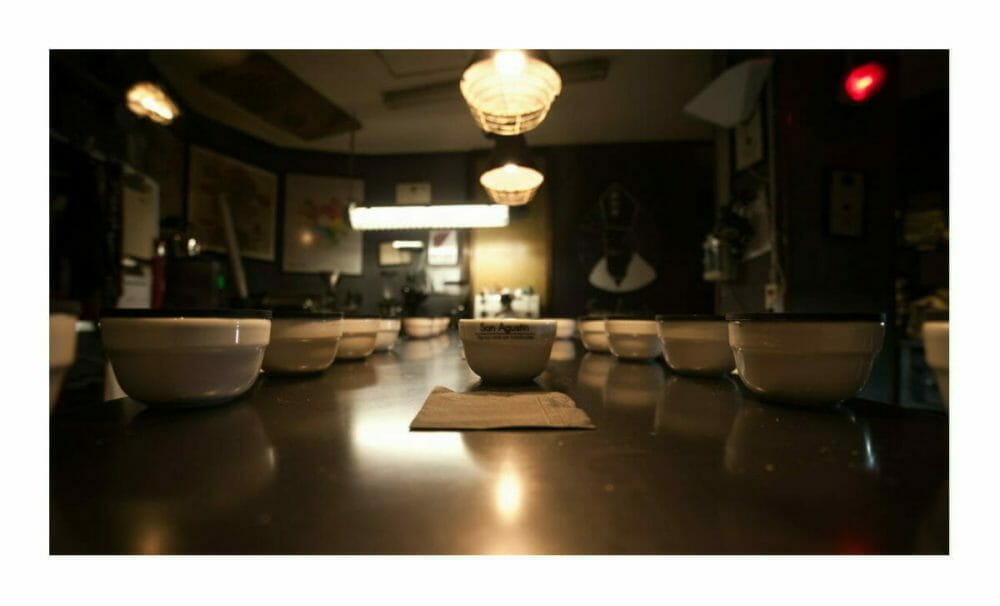
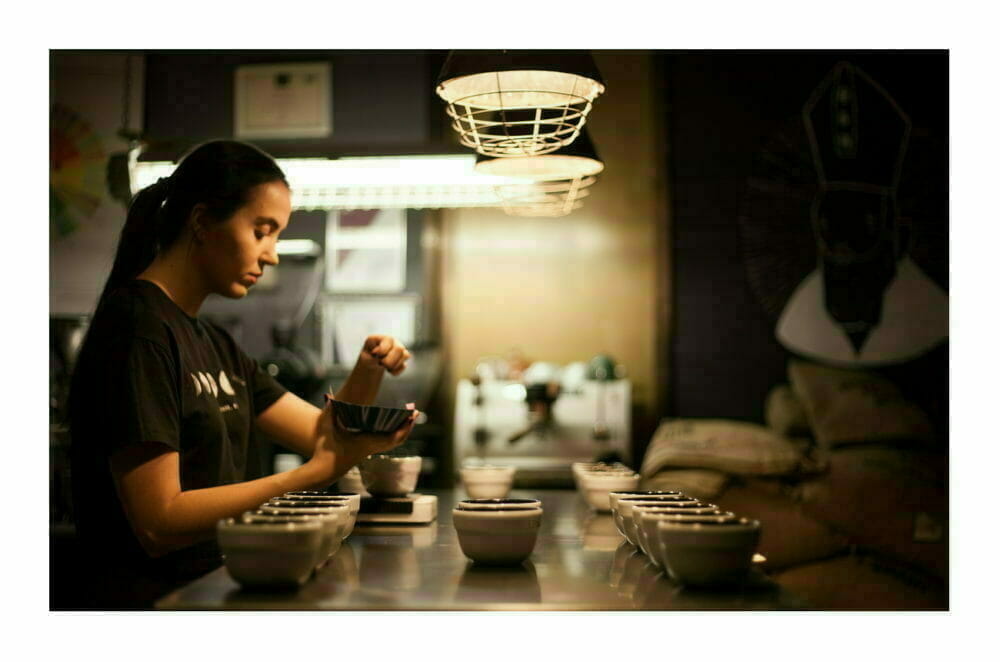
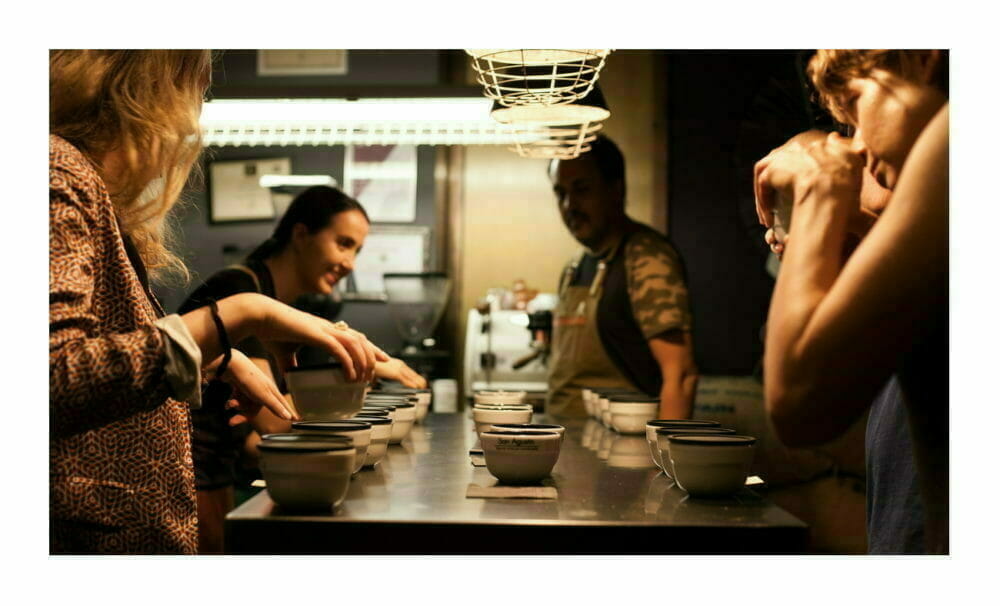
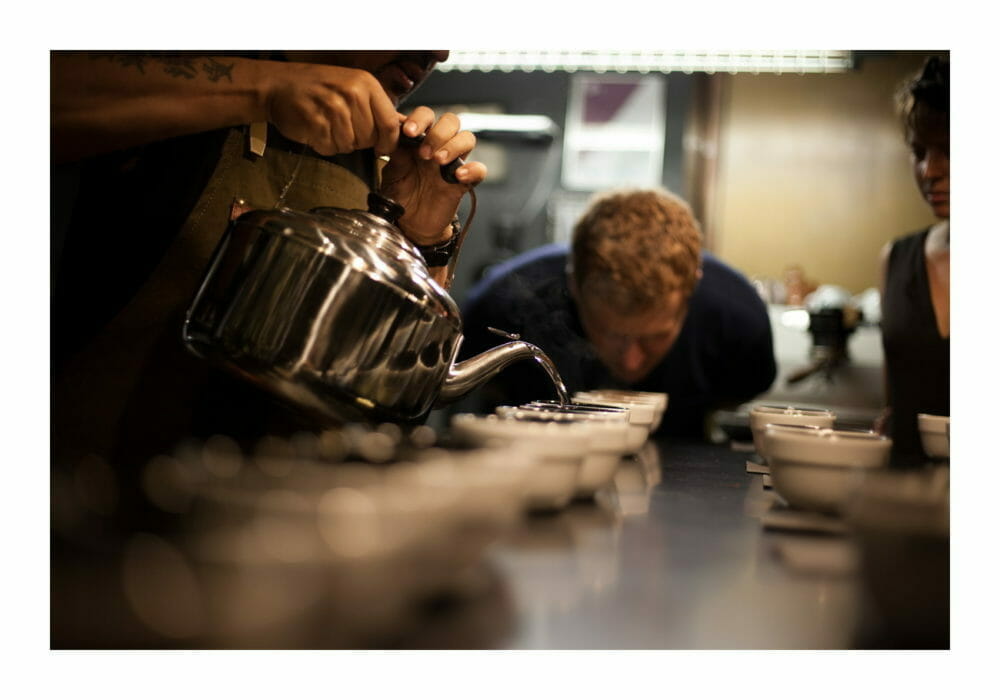
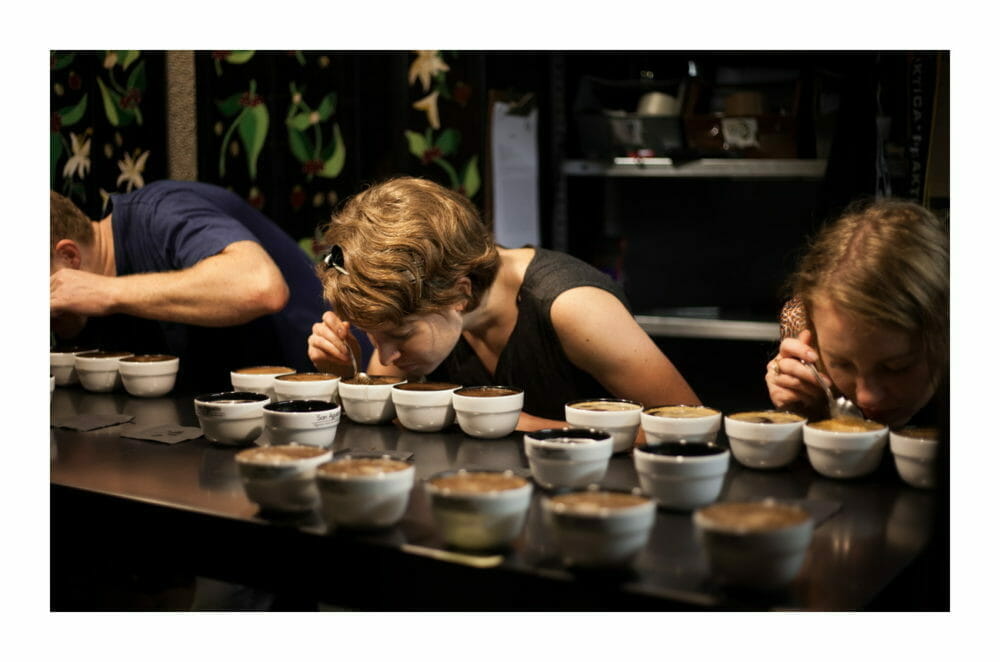
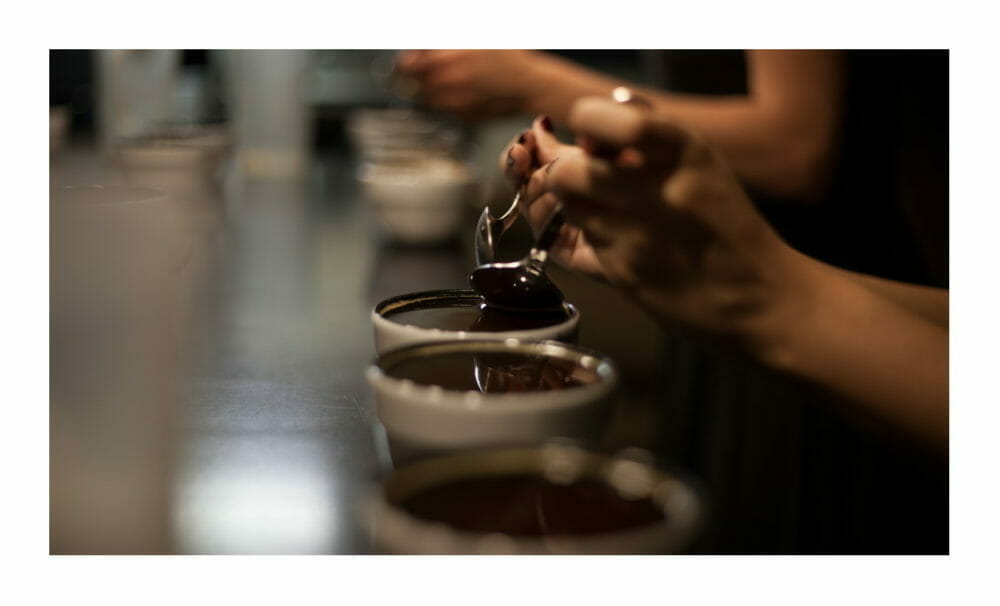
Of course, during the work there were rich coffees and it also happened that that day we had a Brazilian Tasting cThey are the owners of one of our favorite restaurants, “Pagus.” (Don’t forget to try their finger-licking pasta recipes.)
Jaws, ET, Jurassic Park, Schindler's List, Saving Private Ryan, Star Wars—films directed by the so-called Midas of film. All of them topped the charts with audiences and critics, but Munich was something else entirely.
Steven Spielberg introduces us to the Arab-Israeli conflict. The conflict of conflicts, the eternal struggle of the Jewish people to find their place, expelled time and again from each settlement and searching for their origins. A conflict that has not really been solely Arab-Israeli but has been projected onto a global scale, involving both European and American countries.
Let's return to the starting point. "Munich," taken from the book "Revenge," shows how the terrorist group Black September attacked Israeli Olympic athletes at the 1972 Olympics (the first to be held in Germany since 1936). The result: eleven Israelis murdered, failed demands, and a Olympics that continues.
From this event, Steven Spielberg plots the entire film around the revenge of the Jewish secret services to take down those involved in the incomprehensible and horrific massacre. These Olympic Games, on the other hand, were supposed to represent the unity of peoples through sport.
A harsh exposition that intertwines political ideas, issues of morality, and conflicts of religious or social coexistence. Perhaps too focused on revenge, leaving more substantial loose ends in the background. A revenge that is daily bread, repeated over and over again for so many years. Politics or politicians have never yielded the desired results, perhaps because there have always been interests both inside and outside that want the problem to never end, or as a well-known actor said, "Politicians are people who invent problems where there are none, and then try to solve them."
A dense, intense, and tough trailer reminiscent of the great spy films. Made to be enjoyed every second.
Something similar happens in the world of coffee, as it is one of the most popular products in the world, there are also commercial interests, stock market, exploitation or any other type.
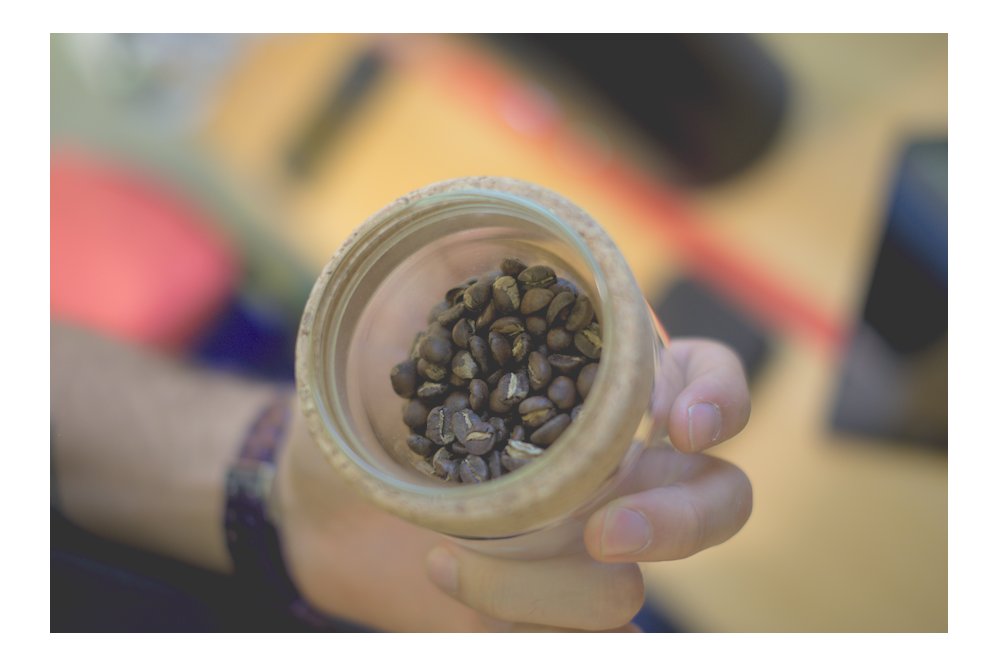
Let's leave those complex topics for another time and simply move on to coffee. As you know, coffee grows on a bush, and each berry typically contains two beans. These berries, when ripe, are a rich, melting red or sapphire red, depending on how you look at them. There are places where coffee is harvested by hand and transported by animals due to the rugged terrain. Then, on the farms, the various production processes take place, depending on the region and tradition.
There are berries that, instead of producing two beans, produce a single bean (only in Arabicas). This bean is smaller and has different shapes (rounded or closed) because it receives fewer nutrients and is more affected by the weather, all due to the fact that it sprouts at the ends of the bush. Consequently, it has a more concentrated, more intense, and stronger aroma. This means that master roasters have to change their roasting strategy to extract its full potential.
But their work does not end here, since the grain "snail"Once denigrated, it is used primarily for its prized blends, thus giving it its signature touch.
Everything has a place within the machinery of life if you know how to apply the correct method.
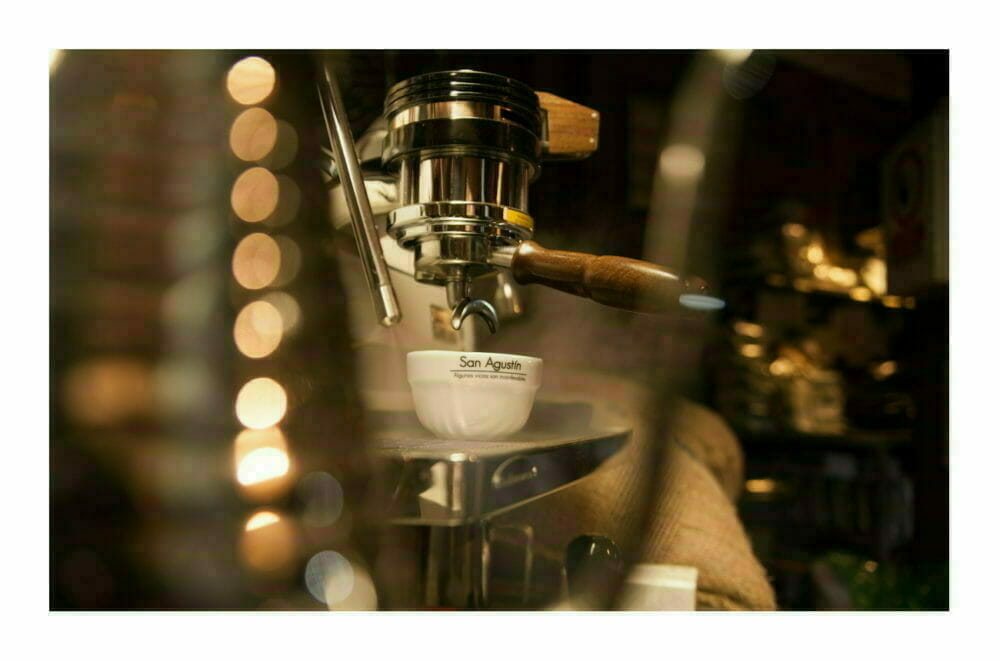
He turned around, standing in front of the espresso machine, gently placed a 20cl glass cup down, and poured 11 drops of almond liqueur into it. He extracted two shots of different specialty coffees from the machine, simultaneously pouring the precious elixir—a coca leaf—into the bottom of the cup. He then took raw milk from a glass bottle and heated it in a saucepan until it reached the desired temperature.
Without saying a word, absorbed in his work, he followed the established protocol. He brought his nose to the coffee glass, waited five seconds, and began pouring the milk, creating a sensation of visual contrasts thanks to his skill with the "acting tempo."
He turned around, went to the refrigerator, and scooped out a wafer-thin scoop of cream ice cream with chocolate nanoflakes. He placed it on top of his coffee. He looked at me like a teacher looks at his students and, without blinking, uttered these words:
-Wait two minutes, don't stir, and don't add sugar or anything else. This will help you stay awake for a while.
-Does this concoction have a name? (I mumbled).
-Demonic (he replied).
A film that had a profound impact on my soul suddenly came to mind: The Exorcist. I remember perfectly, as if it were today, where I saw it. At the time, I was just over fourteen years old, spending one of those ordinary weekends in a small rural town.
At the local bar, they decided to show the film on a VHS player, rented from one of those video stores so popular at the time. Of course, this was completely illegal to play in public establishments—as could be read before the film began. A few minutes into the screening, silence continued throughout the entire session.
My generation comes from a culture where religion was always visible, already perceived as a higher order. It permeated everything, directly or indirectly, inoculating us with its seed. If your reasoning led you to atheism, your mind, in extremely serious situations, would lead you to believe the opposite.
Beginning at an excavation site in distant lands, the film quickly introduces us to the situation; the struggle between good and evil, with exorcism rites performed by bomb-proof religious figures, forms the basis of a shocking, shocking staging, with cinematic exaggerations that chill the blood.
The legendary girl from the exorcism and the problems that arose during filming (fires, veiled tapes, deaths, and even problems with the Catholic Church) meant that even at the premiere there were ambulances outside the theaters.
Horror movie A film where there ever was one, especially if you see it in the wrong place and at a critical age. It didn't need movie stars or grand stages; with a script drawn from real events and a theme ingrained in our DNA, it showed us what cinema is all about. Three, two, one, action.
The sixties brought to the cinema one of the most popular films for the youth of that decade. Its appeal was driven, above all, by the music. A soundtrack that rang in every bell tower on the planet. A music that entered the borders uncontrollably and captivated the younger generations of the time. Sung in English, whose lyrics we didn't understand but felt, it brought new dances, new meeting places, new sounds. It was disco music.
The venue for this film was the Odisea 2001 nightclub. It was Saturday night, and inside the venue: a dance floor, reflective balls, flashing colored lights, and music—good disco music.
Tony Manero perfectly represented this generation; he worked for a standard salary in an unexciting job, and his family life didn't offer him anything either, but when the weekend arrived, "the show began." The ritual of getting ready was the prelude to what was to come. His hairstyle, his style of dress, the type of clothing, and his staging will forever remain in the memory of all viewers.
Dancing, his friends, girls, music, bands, rivalry, drugs, and anything else that went against the grain made up the cocktail of his being. He was the kind of person who felt like home was a nightmare, that nothing mattered, not even the future, not studies, not wars, not politics.
For many people, music has always been an escape from dreaming, loving, or living. People of that generation probably won't know how to do a simple rule of three or which river runs through Paris or Madrid, but they'll certainly be able to remember with Swiss-like precision what bands were playing in the club, what they wore, or who performed a song from that era after just a few seconds of listening.
Saturday Night Fever represented the ideals of a significant portion of that 1970s generation. In fact, the idea for the film was conceived in a New York Magazine article titled "New York Tribal Rites on Saturday Night."
"Stayin' Alive" and "More Than a Woman" are songs everyone remembers. The soundtrack, fronted by the Bee Gees, put it at the top of the charts. However, I prefer "If I Can't Have You" by Yvonne Eliman. "It's all a matter of taste."
When it comes to coffee, everyone has their own tastes. So, when it comes to making it, some prefer espresso, while others prefer filter coffee.
As we've discussed the preparation of espresso in previous articles, today we'll discuss espressos made in a filter, which some experts consider to be the key process for enjoying this exquisite elixir.
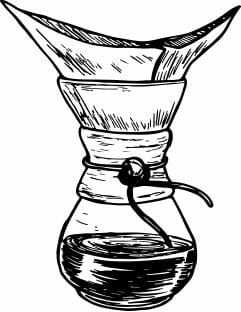
Brewing is an art form; the grinding is different; the water isn't pressurized but instead filtered by gravity. It's a slower process, with different coffee and water measurements, but no less precise. The types of filter coffee makers also vary (Chemex, Clever Dripper, V60, etc.). Pouring should be smooth and slow, allowing the coffee to bloom and reveal its full splendor, a process that can take several minutes.
The result is a less intense flavor. On the other hand, the coffee's complex flavors can be brought out, primarily due to the accentuated aromas. This process is very useful when it comes to differentiating coffee origins.
In any case, whether it's a filter or espresso, the important thing is how or with whom you dance it.
Faithful and seduced by your monthly date with cinema and coffee, today I invite you to delve into one of the most unique and profound films of its decade, whose perspective has left no one indifferent.
Filmed in 1975, One Flew Over the Cuckoo's Nest is about a mental health center where the mind isn't treated but rather alienated, thus leading to disciplinary and oppressive behavior. A mental health center where torture and murder are carried out in the living (by lobotomy) in the name of science. A mental health center designed to cure and treat mental illnesses they don't understand and which tend to exacerbate.
The film triumphs (Oscars for Best Picture, Director, Leading Actor, Leading Actress, and Screenplay) thanks to its approach that combines critical acclaim with comedy. The perfectly chosen characters elevate the entire film to the nth degree. Jack Nicholson plays McMurphy perfectly, and Nurse Ratched gives her character unparalleled depth.
McMurphy arrives at the hospital from a penitentiary trying to avoid the forced labor he's subjected to. He's categorized as a troublemaker—they say he's a brawler and fornicates too much—but they won't succeed in getting him into the established system. On the contrary, he gradually instills in each of his fellow inmates a therapy of a zest for life that no doctor has been able to instill, because in reality, they live comfortably within a system in which they feel comfortable.
The scenes where he plays basketball with his teammates against the paramedics, or where he narrates a baseball game that would have even the most uninitiated in the sport, show them all that he's alive and that life must be lived in CAPITAL LETTERS. McMurphy makes every moment unique and vibrant: robbing a school bus, taking the inmates on a day of fishing, or being able to cure Billy's stutter by showing him a good time with a woman. But if anyone represents "Boogie Man," it's the Chief. In reality, in Ken Kesy's novel, the story is told from the Indian Chief's point of view, and thus we can see him give true meaning to the story.
To highlight one scene, I'd point to the one where the Indian Chief, after hiding in a fictitious deafness to protect himself from a world he doesn't want to leave, decides to speak to McMurphy. The bewildered McMurphy says, "You fooled them, you fooled them, you fooled them, damn it."
We live in a society where deception is the measure of all things. Food is not food, politics corrupts everything, education is driven by interests…
Something similar happened in the coffee industry. When coffee was scarce in the post-war period, to keep people from dreaming about the flavor and aroma, they were given a mixture of coffee and chicory.
Torrefacto (roasting) may have originated when Cuban miners wrapped coffee beans in sugar to improve their preservation. From then on, some decided to roast coffee with sugar, blurring and adulterating the product, primarily to cover up and hide substandard coffees. Over time, this process gained popularity in certain places, and people grew accustomed to its color and flavor, even believing it to be good.
Decaffeinated coffee requires a chemical process to remove the caffeine, so the deception is even greater. As for the instant coffee that has been so widely marketed since Satori Kato paved the way for it, it doesn't seek good coffees but rather a series of different characteristics: reaching more users, speed in preparation, durability, lower weight or a less elaborate preparation, of course, without knowing what type of coffee is inside.
If you're on this page, it's because you love good movies and the best coffee. So skip the sugar and saccharin—a good roasted and brewed coffee bean has sweetness—leave the decaf, roasted coffee, and instant coffees behind and embrace the new wave of coffee. Get back to the real thing! Get back to life!
Erwan and Sarah met at a small café in Paris, where they both worked as waiters while studying photography. Since then, they've become inseparable.
One day, they decided to leave their day jobs and embark on an adventure together. They bought an old van and began traveling all over Europe, looking for beautiful places to capture in their photographs.
Dedicated to their passion for photography and specialty coffee, Erwan and Sarah fell in love with the beauty and diversity of life in Europe. And as they continued their journey, they realized their love wasn't just about photography and coffee, but also about the adventure and freedom of life on the road.
Now, Erwan and Sarah continue their journey with no fixed destination, exploring new places and sharing their stories through their photography and Instagram account. For them, every day is a new opportunity to live life to the fullest and share their experiences with the world.
If you'd like to learn more about their work, you can follow them on their Instagram account, blooming.memories, where they share their photographs and travel stories.
Father Gabriel, alone and tired, but hoping that his efforts will be rewarded in this or the next life, takes an oboe out of his backpack, sets it up with gentle, rhythmic movements, and then blows until heavenly notes come out of that piece of wood that reach the furthest corner of the jungle.
In the midst of this inhospitable landscape, constantly observed and examined, he never ceases to breathe life into this vital concert of his. He knows that whether he is thrown into the falls or whether it is the beginning of his true "MISSION«.
The missions were places where the Jesuits, guided by their motto (To Love and Serve), poured their entire being into the service of God. Father Gabriel leads the mission of "San Carlos," where different cultures coexist and knowledge is exchanged based on the collective and Jesus. Captain Rodrigo de Mendoza—a soldier, a captor of indigenous people, and with a dark and corrosive past—arrives at this mission, located in a remote place filled with indescribable beauty, in search of a new life that will redeem him from his past and fulfill him fully.
These two adventurers will fight for what they believe in, based on their different perspectives. One with the Bible and faith. The other with truth and strength.
From the time Christopher Columbus set sail from Puerto de Palos to La Gomera in search of the twenty-eighth parallel and be carried by those trade winds that propel you toward the New World, until the year 1750, the Spanish and Portuguese were governed by the Treaty of Tordesillas. From that year on, a new agreement, the Treaty of Madrid, would restructure the territorial divisions—a turning point in the life and outcome of certain missions.
This new continent brought riches of all kinds. Just talking about the culinary experiences we would have without potatoes, tomatoes, corn, chocolate, tobacco, etc., is enough. But since the topic of this blog is coffee, what would Brazil, Colombia, Jamaica, Costa Rica, etc. be without coffee? There wouldn't be enough time to talk about what coffee culture means to each of these countries. It seems as if these lands have been waiting for centuries for these seeds to arrive, to give them their best.
Who brought coffee plants to the Americas? The history of coffee shows how missionaries and soldiers who crossed the Atlantic between 1720 and 1800 introduced this product to their various regions (Guatemala, Mexico, Venezuela, Colombia, etc.), thus imprinting it on their cultural DNA. Colombia and coffee are so closely linked that they are a world reference not only in quality (100% Arabica) but also in quantity.
They say that when you discover certain aromas, your mind processes memories from a past you've only ever experienced in your memory. Thus, in my personal taste, I tend to drink Guatemalan coffee, attracted not only by its quality but by everything that I believe unites me to these Latin American countries.
"What's up, why spend fifteen thousand euros on a toaster?" "Are you already a specialty micro-roaster? I don't think so."
Jean reviews his career in the coffee world in a critical yet profound way. "My earliest memories of coffee are with my brother during the harvest, swimming among mountains of parchment coffee," he says.
To start, tell us where you're from.
I consider myself a citizen of the world. My parents are Colombian, but I was born and lived in the United States until I was eleven. Then I moved with my mother to Spain, where I spent my teenage years and truly have my own life. It's true that I alternate that American foundation with the European culture I've acquired over the years, but without abandoning my Colombian roots, as I travel every five or six months to stay connected. This has allowed me to open my mind a little and see that each culture has its own characteristics.
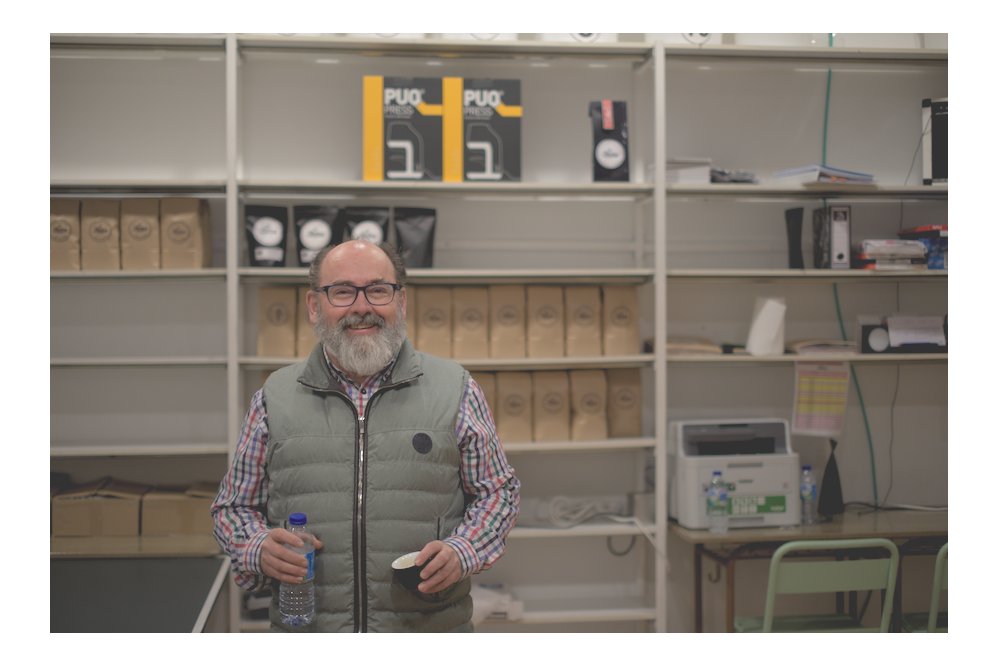
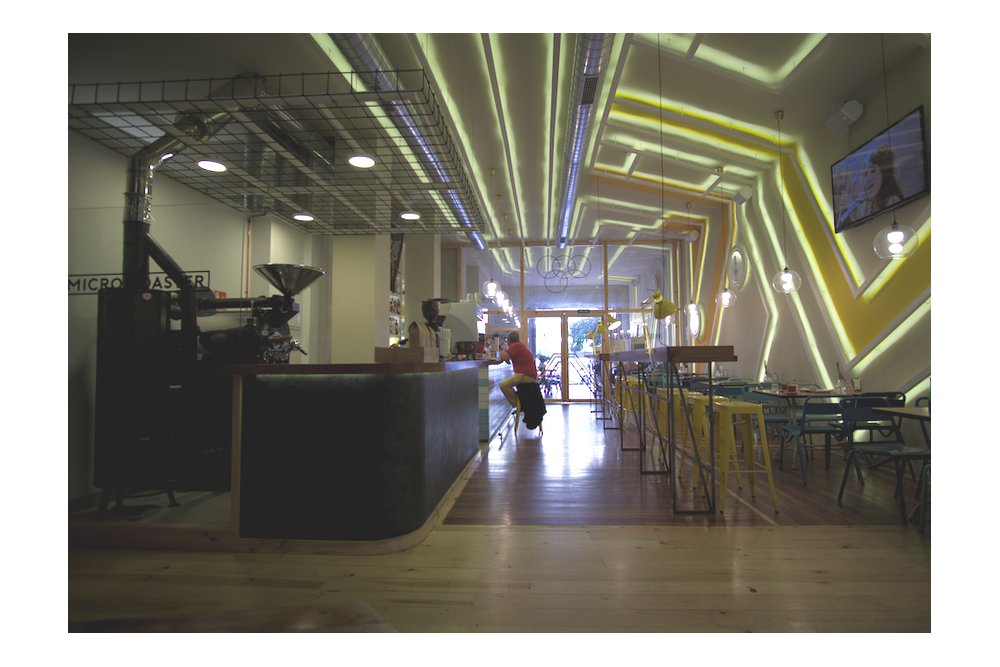
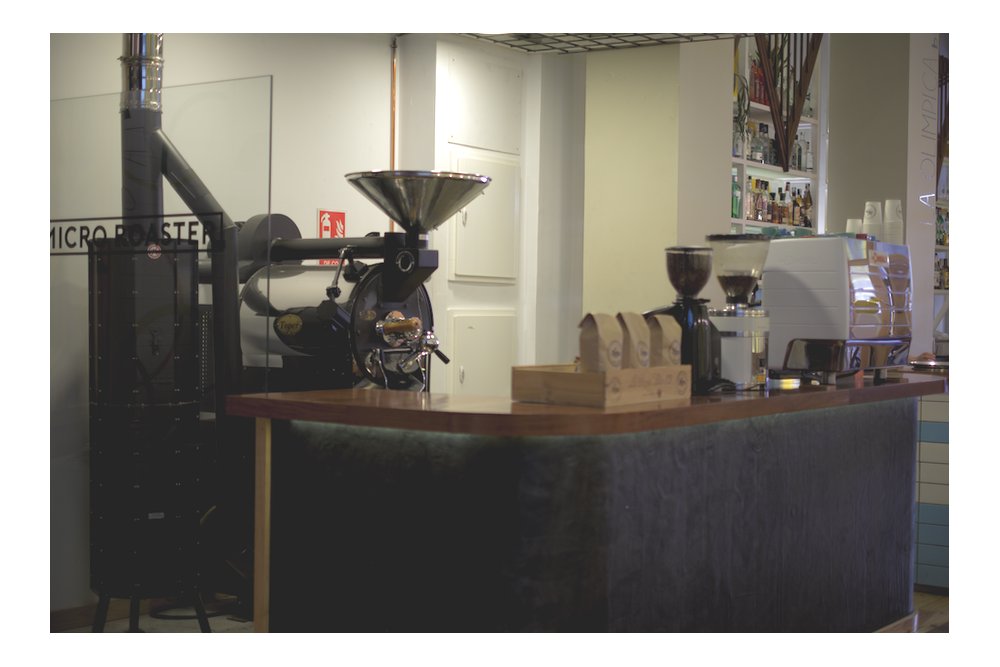
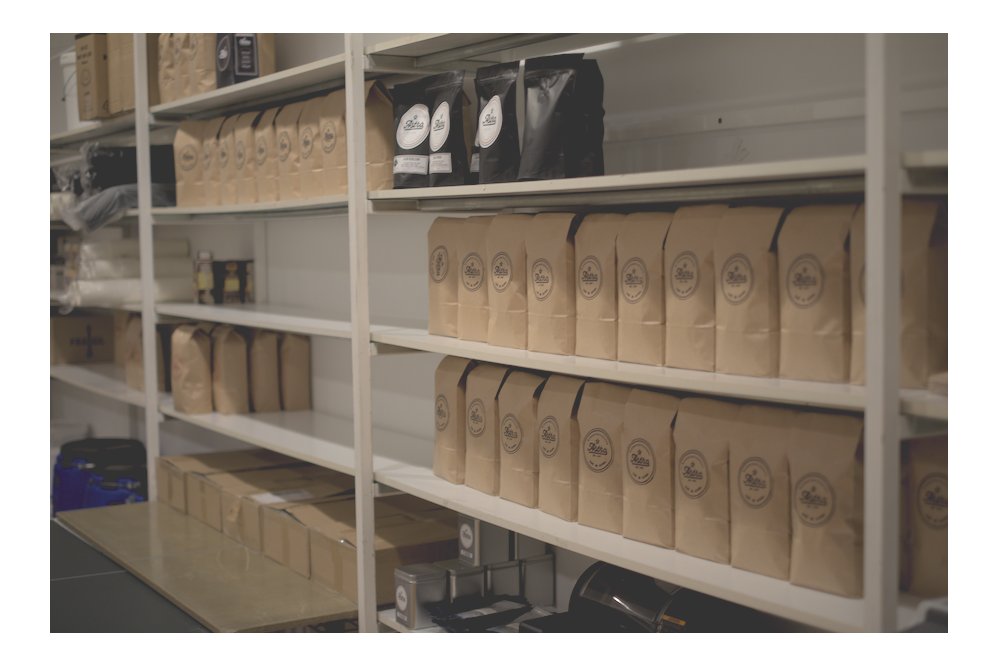
Before the interview, we were at the La Olímpica warehouse, where they have a Dalla Corte MINI. Jean was preparing several espressos.
Where do you work and what is your role?
I'm in a family business: OPCE (Specialty Coffee Producers Organization SL).I have entered the business and am now in charge of imports and quality control in Spain and the rest of Europe.
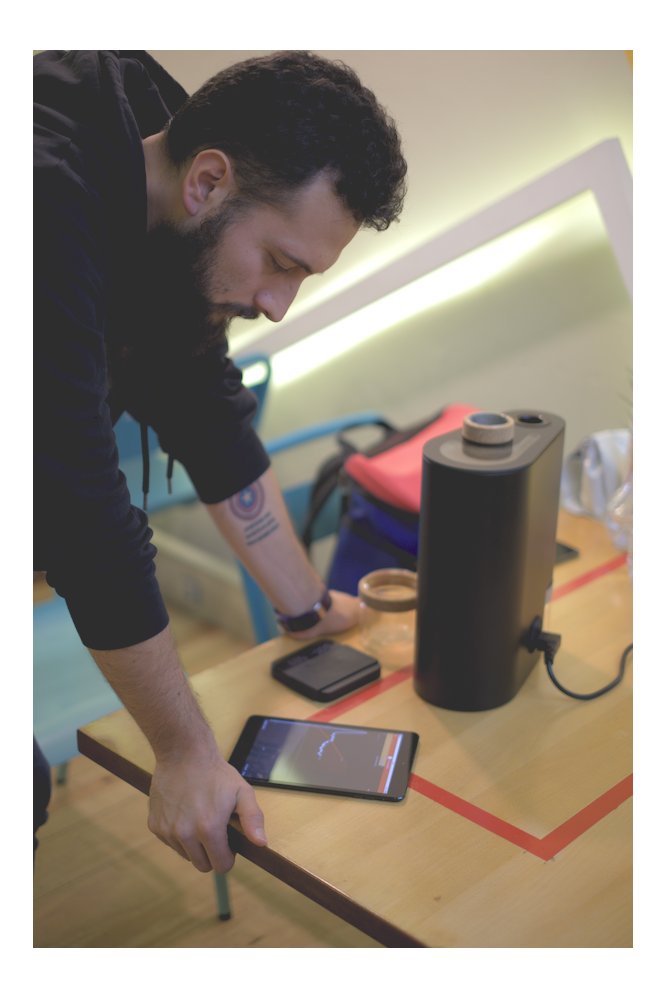
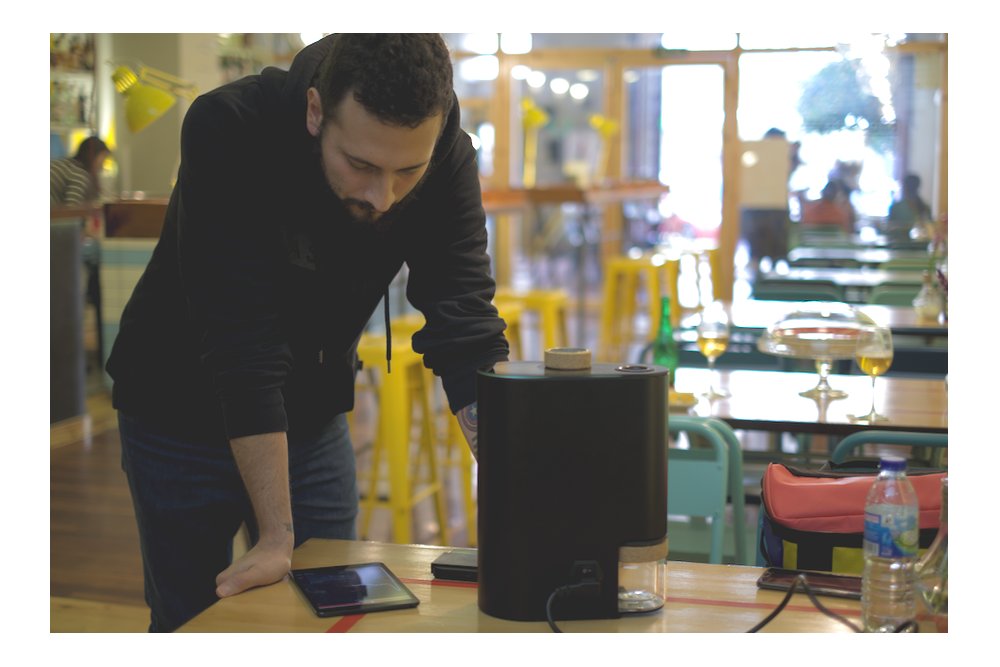
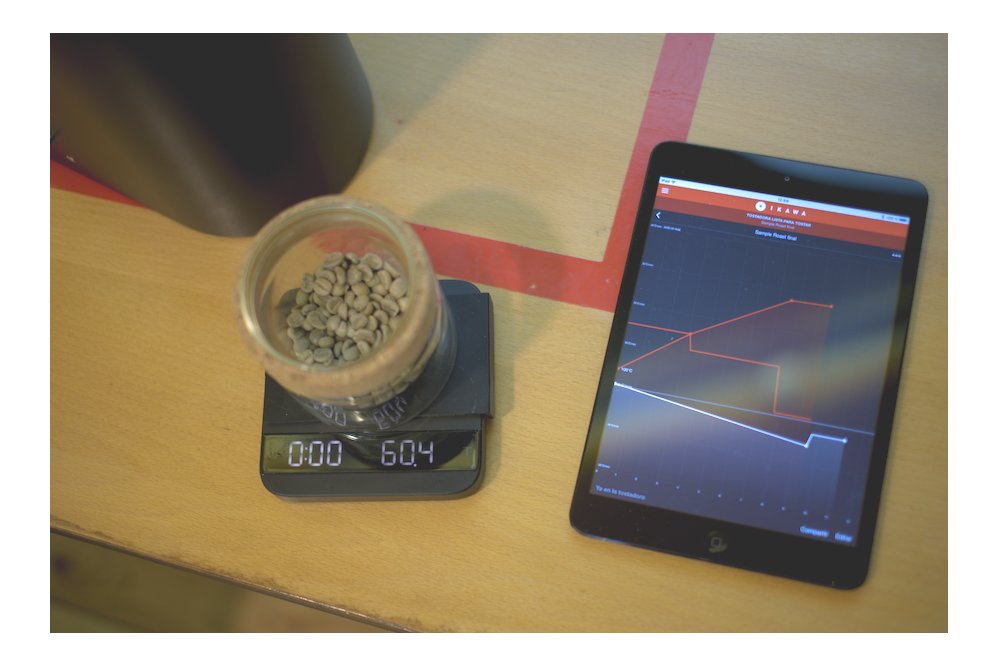
Jean was looking for the profile of an Ethiopian Yrgacheffe that was freshly roasted
When did you first get in touch with the world of coffee?
I was born into the coffee industry. My father's family is from Manizales de Caldas (we're talking about the heart of the coffee-growing region). He's been in the coffee industry since he was fourteen. My first memories of coffee are with my brother during the harvest, swimming among mountains of parchment coffee. Those are my first memories. At that time, my father had a coffee farm in Chinchiná.
-What is a coffee purchase?
They are the intermediaries between producers and the industry, which are the coffee mills. They collect coffee, usually finish drying it in silos, and then resell it to the mills.In the 1990s, there were several different players: producers, coffee buyers, mills, exporters, and then the coffee left the country.
The process has become much more complex today. Today, we are buyers, millers, and exporters. We're even roasters for local products. We've been growing and adding parts of that production process to the family process.It's in my blood; it's something my brother and I share, and we're trying to take it to the next level.
How is specialty coffee evolving in Colombia?
There, due to our geographical location and abundant water resources, we specialize in washed coffees. Now, what's happening? One of the biggest dilemmas that has existed in Colombia over the last forty years is the market-determined price. Market value plus a differential based on minor quality characteristics, but that's the basis for everything.
What happened? About five years ago, a transition began. They saw that Central American countries were developing other types of processes, andthere was starting to be a demand for specialty coffees.This means you can play with the price; you're out of the market.The regulations for exporting coffee in Colombia are changing. They liberalized the market so you can export coffees that don't meet the excelso regulations, which are coffees that are labeled "product of Colombia" and not "coffee from Colombia."That was the window people found to innovate with different processes, break out of the market, and also improve their income.
Juan Zabal is one of the owners of La Olímpica. He's also the roaster behind the Astro Café brand, where we conducted the interview. He showed me around his facilities, and we tried several coffees.
But we're still in the early stages in that regard, and the first to do so are farms with the financial resources to invest and develop these types of processes, risking their harvests.
We, as exporters and as part of the learning process, We worked with a pilot farm that was one of the first to introduce natural varieties. Their first harvests went to shit, everything fermented.That stabilization process, the evolution of the microorganisms, the temperatures used to stabilize, all of this was completely new to us. Since then, we've been learning from this farm and seeing what the market offers and the price differentials.
Obviously, these types of processes make the product more expensive because everything has to be done more slowly, and the cup profile improves. Now we're playing with tasting points, a process, a story behind it, traceability... My brother is the one who's at the origin; he's in contact with the farms. He now has about five farms and is expanding. He's implementing a protocol for different processes, and we're learning little by little.
What impact has the FARC's laying down of weapons had on the sector?
The Colombian countryside is extremely dangerous. Consumer countries are unaware of this. The FARC controlled much of the jungle in the south of the country, Cauca, Nariño and southern Huila. Many areas were abandoned because of this cause.These are unexploited areas, but with tremendous production and quality.There are people who are starting to go to those areas to buy, but the guerrilla is not over yet and they are taking many risks trying to get coffee out of there.
It is not so easy to grow and extract coffee in Colombia, and that in turn makes it wonderful because it makes it a complete adventure.Many risks are taken.
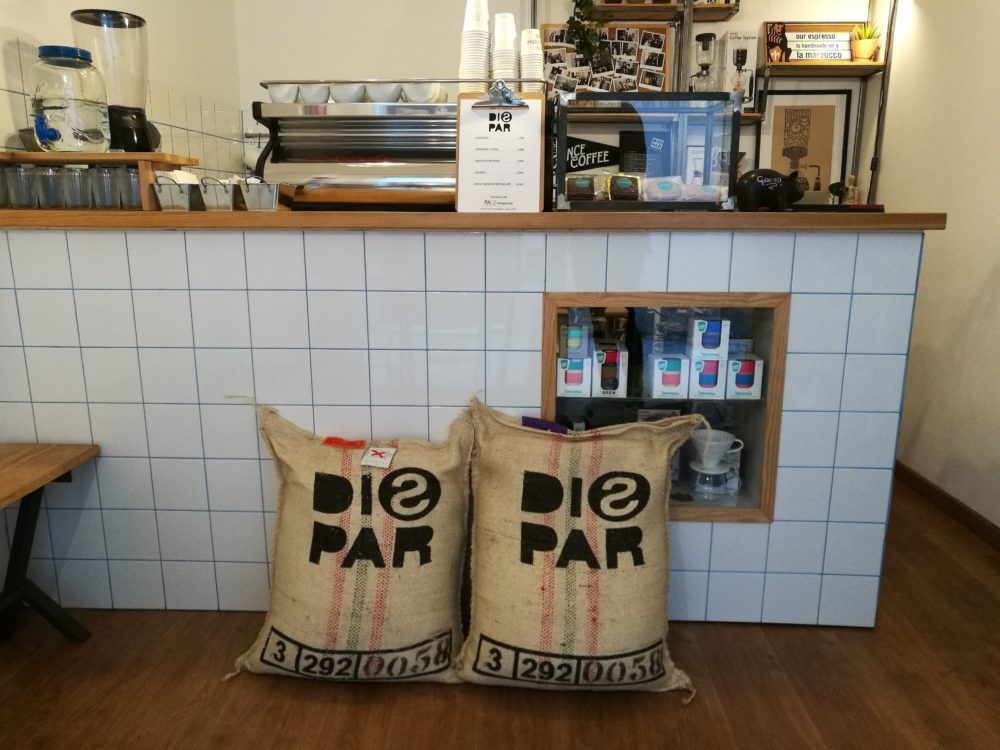
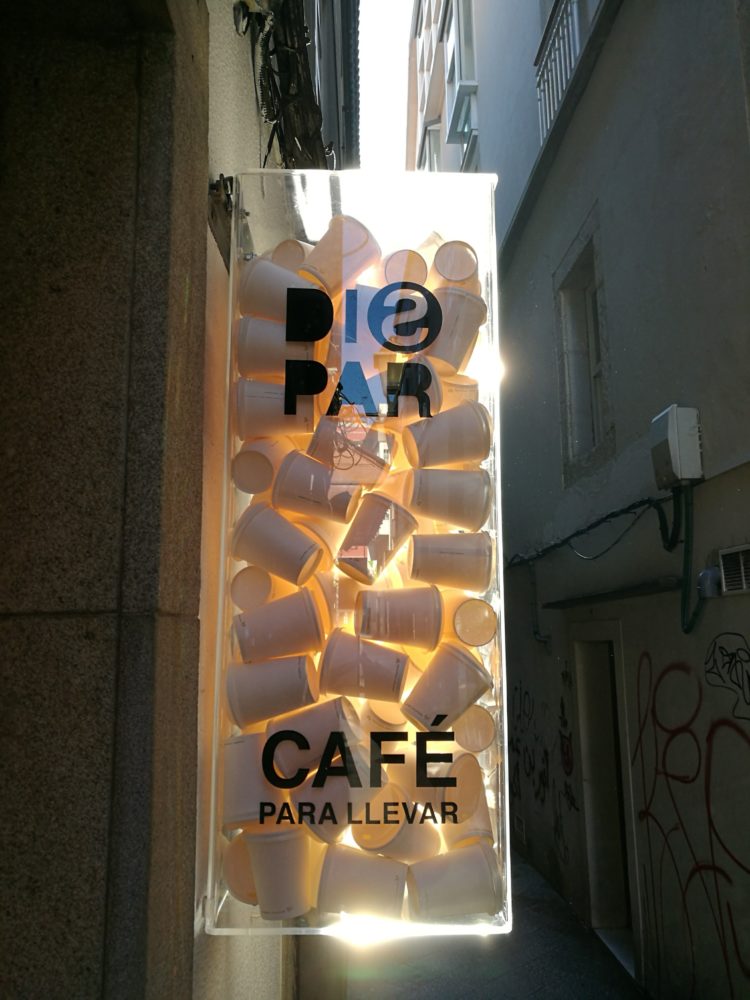
Let's change the subject. I want to ask you about DISPAR. That's where I met you, and I'd like you to tell our readers about the space you created in La Coruña.
Photograph provided by Jean Zuluaga
It was an idea I had in my head and had to execute sooner or later. The opportunity arose when I ended up in Coruña, and I said, now is the time to introduce a new idea into my life.
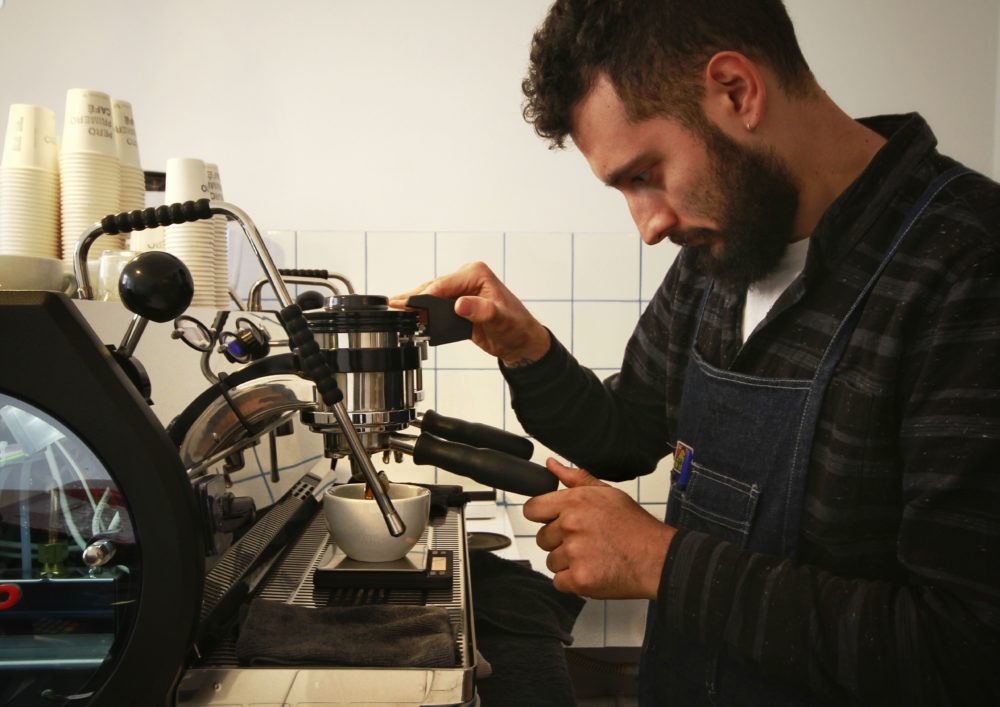
The idea was so clear in my head that I told myself: the day I open my business, I'll have the equipment I want, without worrying about whether this or that is expensive or cheap. I was clear about which coffee maker I wanted for this project. The Marzocco Strada was a turning point in espresso machines, especially for my generation. I knew it was the only machine I would accept for the concept I wanted to introduce. Taking everything to the extreme.
Jean working at DISPAR. Photograph by Jean Zuluaga
DISPAR by definition means going against the current, and that was part of what I wanted to conveyI wanted to demonstrate that there was another level within specialty coffee shops, and that was by giving absolute importance to the product. I didn't want a coffee shop; I wanted a space where coffee could be consumed.
Risking everything for a very clear and precise idea: to specialize in espresso, a single origin (Colombia), and without any other accompanying products. Let the coffee speak for itself.
Taking it to the absolute extreme, there is nothing like it in Spain or Europe, as far as I know.
Showing people that there could be a completely different concept when it comes to drinking coffee. Spain remains a country where the hospitality industry and coffee culture are deeply rooted. In order to introduce a completely new concept, I had to go to the extreme, which was a small establishment specializing in takeaway, but without abandoning the concept of having a cup of coffee on-site.
Photography by Jean Zuluaga
– How was it accepted?
The beginning was very difficult; people couldn't understand so much extreme. I'm always a black and white person; I don't like shades of gray, and that was something I had to represent there. The first six months were truly chaotic. I didn't want to advertise; I wanted people who walked through the doors to be curious, and I wanted to satisfy that curiosity. That was the real goal, and I knew it would take time and patience for them to believe in it.
-Were the customers showing interest?
Yes, you have to generate that curiosity in the customer. It was part of my responsibility at that location to generate interest. Over time, many people became curious. You can't expect someone who's used to drinking a coffee with lots of milk to drink a double espresso. But I could guide them through the process of bringing them to the quintessential espresso. How do we do it? We start with a coffee with milk and lots of sugar. By choosing the right ingredients and working the milk well, we can extract a lot of sweetness. From there, we begin to introduce drinks with less milk to adapt the palate to more intense flavors. The next step? Let's eliminate the milk. We replace the milk with water to create a diluted drink with coffee as the sole protagonist. And now we can start playing with espressos.
I did this learning process with many people, and it really worked. They were able to adapt their palates little by little. We can't be so tyrannical as to try to change our consumption habits overnight.
The typical case of "no, there's no sugar, why isn't there sugar?" At first, not even God paid any attention to me. They thought I was crazy. After the first six months, people saw I was serious. Time is crucial in small towns; it ultimately sets the tone for whether people believe in you.
Photography by Jean Zuluaga
What negative things did you find out?
There are some things I can't fight. Someone I'm trying to sell a different concept to can't judge me solely on the economic factor. You can't tell me my coffee is bad because it's too expensive. I couldn't tolerate this, and it caused me tremendous frustration.
Another mistake was the size of the space. People weren't prepared for something like this. There's a culture of sitting down and having a drink, whatever it is.
It was also a challenge selling coffees with a pronounced acidity. I had to introduce much simpler coffees. The base was balanced coffees, very sweet and with a mild acidity to make them easier for people to introduce. This left me with little flexibility when choosing raw materials. This always frustrated me, because those of us in this business like to experiment.
How do you see specialty micro-roasters in Spain?
I see them very badly. How many of these micro-roasters have the experience to offer this product to market with such differentiated values and a very different price from the established one?
It happens like with many baristas who are starting out. Is an eight-hour course enough to start a business? I don't think so. Why? Because it discredits the experience of the people who are actually behind it, with a foundation, a rationale for selling the products at the right prices.
It's not about having good raw materials, roasting them and selling them, no. So what? It happens with understanding that raw material, with understanding the composition of that product, con the selection process or quality control? What's up, why spend fifteen thousand euros on a toaster? Are you already a specialty micro-roaster? I don't think so.
Is investing in creating a specialty coffee micro-roastery in Spain a risky business today?
Yes, it seems like suicide to me. Aside from my background in this industry, I'm a financier by training, and I'm fully aware of the numbers behind this type of business. When I see a new business like this, I wonder: Do they really understand the five-year viability? If you do a market study, the numbers aren't going to work for you.
Jean was roasting some samples with his IWAKA roaster
Tell me about a coffee you tried and will never forget.
I have one that left a mark on me very recently. St. Petersburg, January, very cold, a frozen city. My brother and I were walking down the street and a scent appeared and we said, wow, what is this? And there we came across a store. Double B. This is a Russian specialty coffee chain, with a strong presence in Moscow and St. Petersburg. I remember going in and up to the second floor, where we both ordered Kenyan coffee, espresso, and filter coffee. When I tried that filter coffee, I said, "Fuck, what is this?" It is the coffee that marked a before and after for me in the concept of specialty coffees.Because they created the perfect atmosphere for me. Due to the very cold, wintery circumstances, and in a completely unfamiliar place, I didn't expect to find a cafe like this.
How do you take your first coffee in the morning?
I'm currently using an Italian coffee maker. My partner and I are just starting to experiment with it.
He was roasting two samples of an Indonesian coffee
Finally, what is your favorite origin?
Colombia. But not because of the connection I have, but because of the number of options and alternatives there are in that country.
I want to thank Jean Zuluaga for his time, and Juan Zabal for allowing me to conduct this interview at his impressive "La Olímpica" location and showing me his roastery for his "Astro Café" brand. Their kindness and hospitality captivated me.