Posted on

Why Coffee Beans Turn Brown When Roasted

Why Coffee Beans Turn Brown When Roasted

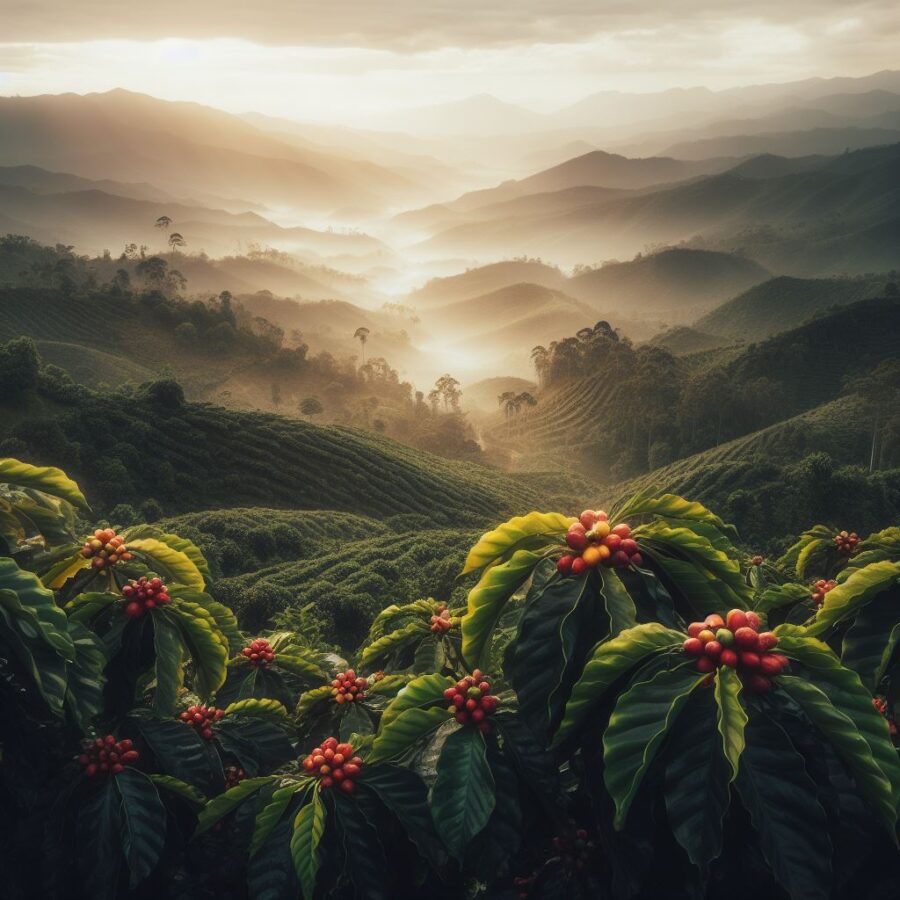
Green coffee beans, also known as raw coffee, are like tiny capsules of potential waiting to be unleashed. Although they appear inactive, they undergo a remarkable transformation when roasted due to the Maillard reaction and other chemical processes.

What happens during the toasted with coffee beans?

Green coffee beans change color to brown during roasting due to chemical reactions triggered by heat. This heat causes the beans to release moisture and expand.

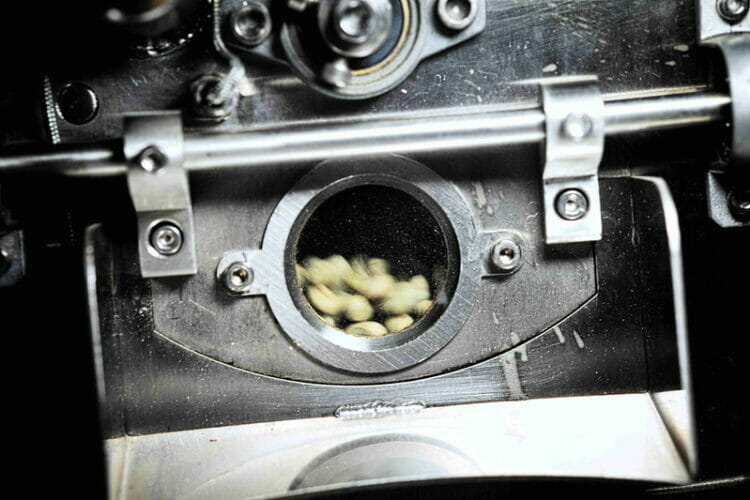
Coffee roasting is a carefully controlled process in which coffee beans are heated to high temperatures. During roasting, the beans go through several phases that affect their color, size, flavor, and aroma. Initially, the beans lose moisture and increase in size, turning from pale green to golden yellow. This color change is the first indication of the chemical transformations taking place.

The First Crack in the Coffee Roasting Process: An Important Sign

During roasting, coffee beans release steam and gases, producing a cracking sound known as the "first crack." This sound indicates the beginning of significant chemical changes in the beans.

The first crack occurs when the internal pressure inside the beans becomes too great due to the release of steam and carbon dioxide. This moment is crucial because it signals that the sugars within the beans are beginning to caramelize, an essential process for the development of coffee flavors. Experienced roasters use this sound as a guide to fine-tune the roast profile and achieve the optimal point where the desired flavors develop.

Color Change and the Maillard Reaction in Coffee Beans

As roasting progresses, the beans turn from green to yellow, then to light brown, and finally to dark brown. This color change is mainly due to the Reaction Maillard. The heat causes the sugars and amino acids in the grains to react, forming new flavor and aroma compounds.

The Maillard Reaction is a complex chemical process that occurs when the amino acids and sugars in coffee beans combine under high temperatures. This process not only darkens the beans but also creates a wide range of compounds that contribute to the flavor profile of specialty coffee. Through this reaction, many flavor nuances develop, ranging from caramel and nutty notes to hints of chocolate and spice.

The Second Crack: A Risk for Specialty Coffee

If roasting continues after the first crack, a second crack can be heard, known as the "second crack." This second crack indicates that the oils within the beans are beginning to emerge to the surface, and the coffee's flavor profile changes again, often developing darker and sometimes more bitter flavors. In specialty coffee, the goal is to avoid the second crack, as it can lead to over-roasting, resulting in burnt and bitter flavors that mask the bean's unique characteristics.

For specialty coffee roasters, like us in St. Augustine, it's crucial to stop the roasting process before reaching the second crack. This ensures that the coffee's delicate and complex flavors remain intact, providing a balanced and rich flavor experience without undesirable bitter notes.

The Result of Roasting: Unique Flavors and Aromas in Coffee

The Maillard Reaction not only changes the color of the beans, but is also crucial for developing the complex flavors and aromas of roasted coffee. This process transforms the chemical compounds within the beans, creating a rich and nuanced flavor experience.

In addition to the Maillard Reaction, other chemical processes such as the caramelization of sugars and the breakdown of cellulose contribute to the final coffee profile. Caramelization results in sweet and sometimes slightly bitter flavors, while the breakdown of cellulose affects the coffee's texture and body.

The Art and Science of Coffee Roasting

Specialty coffee roasting is both an art and a science. Roasters must carefully balance time and temperature to develop the desired flavor profile without burning the beans. The roaster's experience and knowledge are essential to interpreting the changes that occur during the process and adjusting variables as needed.

Each type of coffee bean has its own unique characteristics, and the roasting process can enhance different aspects of its flavor profile. Roasters often conduct multiple tests to determine the best roast profile for each batch of beans, ensuring that each cup of coffee delivers an exceptional experience.

In conclusion

The transformation of green coffee beans to brown during roasting is a complex process. This process involves the release of moisture and the Maillard Reaction, which are essential for developing the unique flavors and aromas of specialty coffee. At San Agustín, we specialize in stopping the roasting process before the second crack to ensure that each cup of coffee maintains its unique and delicious characteristics. The next time you enjoy a cup of coffee, remember that behind that delicious flavor is a fascinating process scientific and careful craftsmanship.
Posted on

The Geisha Coffee of Colombia

The Geisha Coffee of Colombia

«La Palma» An Exclusive Treasure in San Agustín That Is Running Out


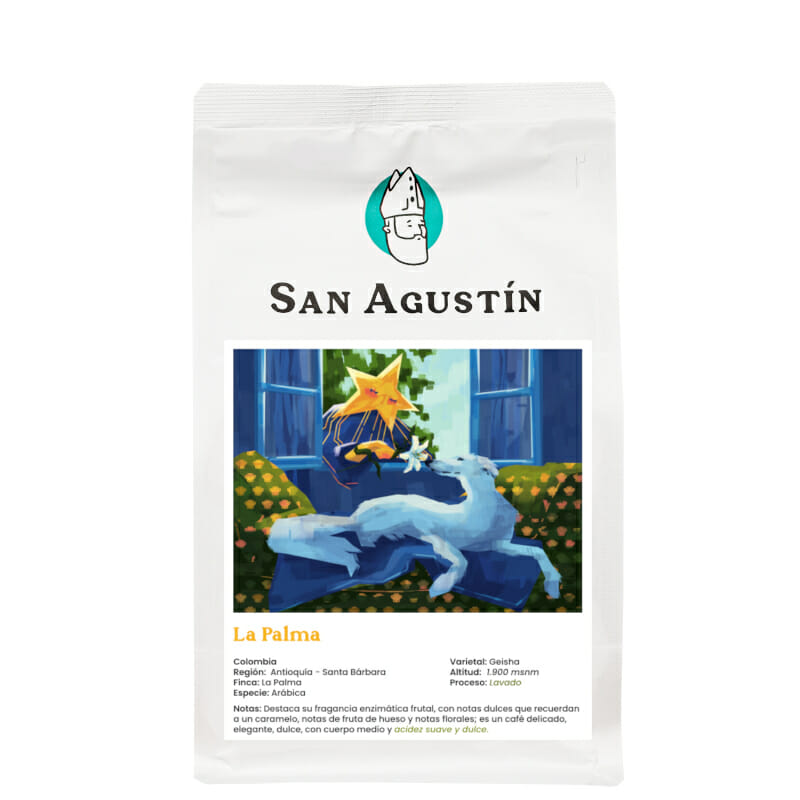
We want to remind you that we have a treasure in our collection of specialty coffees: "La PalmaGeisha coffee from Colombia. This coffee, which has been part of our offering for the past few months, comes from the La Palma farm in Santa Bárbara, Antioquia. If you haven't had the chance to try it yet, we recommend you do so soon, as supplies are running low.

La Palma - Colombia

A Colombian Geisha: Beyond the Origin

Although Geisha coffee originates in Ethiopia and has become popular in Panama, Colombia has also joined the production of this exclusive variety. Our Colombian Geisha is distinguished by its enzymatic fruity fragrance, with sweet notes reminiscent of caramel and hints of stone fruit. In addition, subtle floral nuances, such as white flowers and jasmine, add a unique dimension to this coffee.

The Technique Behind the Geisha

The technique behind Geisha coffee is a synergy of multiple factors that contribute to its unique and complex flavor profile. Starting with the altitude of cultivation, which typically exceeds 1,900 meters above sea level, this elevation allows for a slower and more complete development of sugars and acids in the fruit. Added to this is a specific climate with well-defined seasons, which provides ideal conditions for the coffee's growth. Furthermore, the post-harvest processing method, which can vary from traditional washing to more experimental techniques such as anaerobic fermentation, also plays a crucial role in preserving its bright acidity and floral and fruity notes. We cannot forget the unique genetics of the Geisha variety, which has a distinct cell structure and bean shape that retain more flavor compounds during roasting. Finally, the care and attention to detail on the farm, from soil selection to sustainable farming practices, are fundamental to achieving this exceptional quality. In short, it is this meticulous combination of geographical, climatic, genetic, and processing factors that elevates Geisha to its elite specialty coffee status.

Why Are Panamanian Geishas So Expensive?

Geishas from Panama have won multiple awards and fetch exorbitant prices at auction. This is due to a combination of factors, including altitude, climate, and soil, which create coffee of exceptional quality. Furthermore, demand often exceeds supply, further driving up prices.

Geishas around the World

Due to its popularity and high price, many countries are beginning to cultivate Geisha coffee. However, each region contributes its own unique characteristics to the coffee. In Colombia, for example, Geishas tend to have more fruity and less floral notes compared to those in Panama.

Is it worth the price?

We know Geisha is a high-priced coffee, but we believe its unique experience justifies it. It's a coffee that takes you on a sensorial journey, and we're sure that once you try it, you'll understand why it's so special.

Conclusion

Geisha coffee from Colombia is more than just a bean; it's an experience you can now enjoy from the comfort of your home thanks to San Agustín. We invite you to try this treasure and indulge in its world of flavors and aromas.

Posted on

Water-Coffee Ratio and Extraction Time

Water-Coffee Ratio and Extraction Time

The beverage we adore, in its most basic form, is the fusion of meticulously ground coffee beans with water. What distinguishes a sweet, balanced, and complex coffee from a bitter or acidic one lies in two fundamental pillars: the quality of the beans and water, and the alchemy with which we intertwine them. This latter aspect often involves a level of meticulous attention: grind size, precise timing, water temperature, brewing method, and other rituals that converge in our final cup.

However, we can't overlook the crucial importance of proportion in this process. The ratio of ground coffee to water plays a vital role in the strength, mouthfeel, and other nuances of our beverage. Now, let's explore in-depth how these ratios become the key to creating an exceptional coffee experience.

Why relationship is so important

The flavor of a coffee will vary depending on the recipe. Yes, the recipe: making coffee is like making a cake. The amount of each ingredient you use matters. Adding or decreasing the amount of water or coffee can alter the coffee's flavor, viscosity, and other factors.

This is why many baristas and coffee enthusiasts use scales and timers when making coffee.

Some baristas use recipes like "50 grams of coffee per liter of water for this many cups." But others will talk about ratios, such as 1:14 – 14 ml of water for every gram of coffee – or 1:16 – 16 ml of water for every gram of coffee.

Whatever the preparation ratio, what most of the baristas They try to keep it consistent. This allows them to work more effectively and efficiently. They also know that if they like how a coffee turns out, they can replicate it in the future.

Importance of Ratio in Espresso:

Flavor: The ratio determines the concentration of the espresso. A higher ratio of coffee to water will result in a stronger, more intensely flavored espresso, while a lower ratio will produce a weaker espresso.

Consistency: Maintaining a consistent ratio recipe is essential to ensuring that every cup of espresso has the same flavor and quality. This is critical in the specialty coffee industry.

Optimal Extraction: The correct ratio also influences coffee extraction. An incorrect ratio can lead to under- or over-extraction of the coffee, which will negatively affect the flavor.

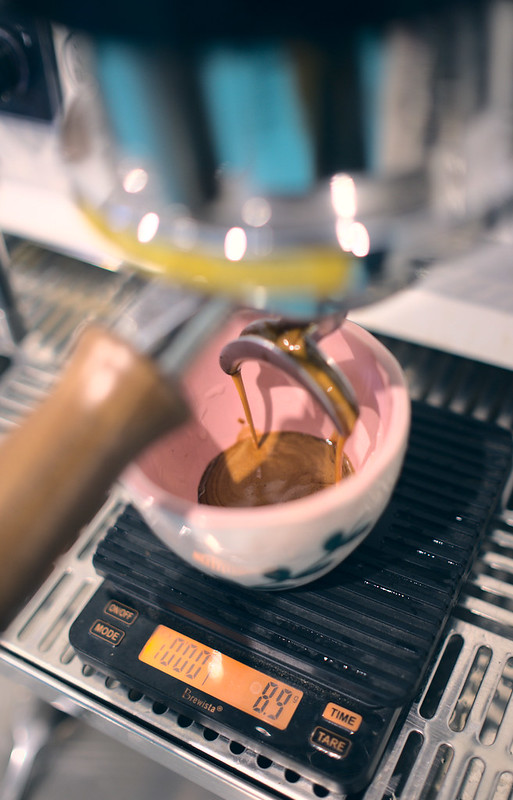
Importance of Extraction Time: Extraction time refers to the amount of time water spends passing through the ground coffee in the portafilter. This factor has a significant impact on the flavor, intensity, and overall quality of the espresso. Generally speaking, it's recommended to keep extractions within the range of 24 to 30 seconds. However, it's important to note that there are exceptions to this rule, depending on the type of coffee, the roast level, and personal preferences.

Water-Coffee Ratio and Extraction Time

Define an Espresso Ratio Recipe:

To define an espresso ratio recipe, follow these steps:

Choose a base ratioA common ratio is 1:2, which means one part ground coffee to two parts water. This is a good starting point, but you can adjust it based on your preferences and the type of coffee you're using.

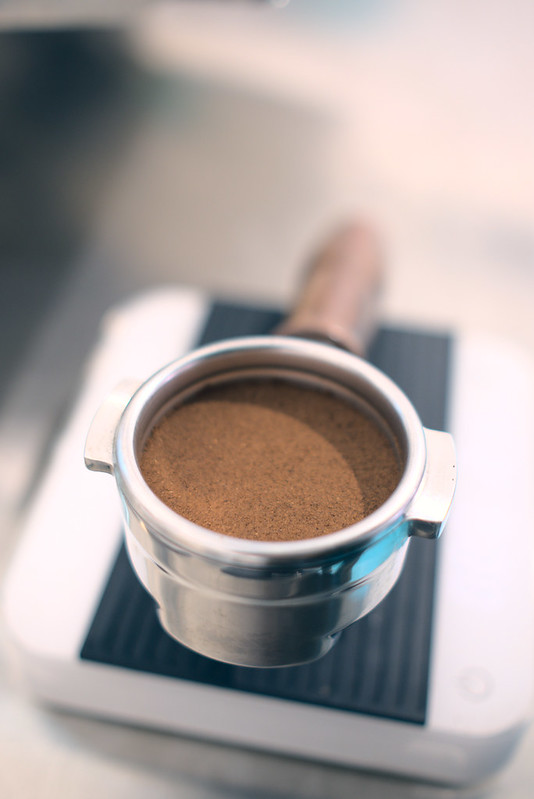
Weigh the coffee: Weigh the desired amount of ground coffee into the portafilter basket. For example, if you use 18 grams of coffee, this would be your starting point.

Weigh the water: Carefully calculate the amount of water you'll use for extraction. For example, if you're using 18 grams of coffee, you can aim for 36 grams of espresso in your cup, which is equivalent to a 1:2 ratio.

Adjust according to taste: Extract the espresso and adjust the ratio according to the flavor you get. If the espresso is too strong, you can use more water, and if it's too weak, you can use less.

Daily Maintenance and Decisions:

It's essential to maintain your recipe daily and make decisions based on the flavor and quality of your espresso. As factors such as coffee freshness, ambient humidity, and temperature change, you may need to adjust the ratio to maintain a consistent and delicious espresso. The key is balance and constant attention to detail to perfect your recipe over time.

Posted on

Coffee, Competition, and Good Vibes: The Best of the 2023 Aeropress Castilla y León Championship

Coffee, Competition, and Good Vibes: The Best of the 2023 Aeropress Castilla y León Championship

Hello coffee lovers,

I want to share with you how much fun and exciting the 2023 Aeropress Castilla y León Championship we held at our roastery was. It was a day full of coffee, competition, and an incredibly positive vibe.

Coffee, Competition, and Good Vibes: The Best of the 2023 Aeropress Castilla y León Championship
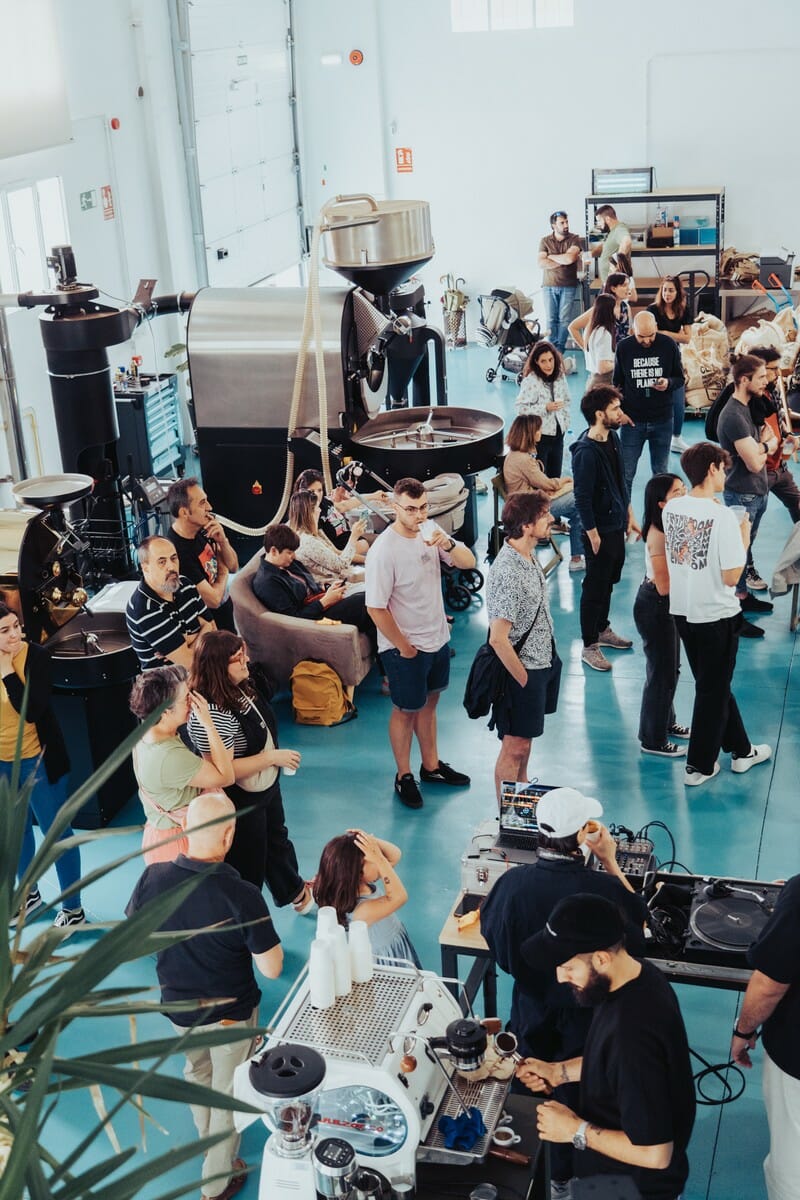
An hour before starting there was already a very good atmosphere

The event kicked off with an emotional presentation by María Garrido, who made it clear that the entire staff was ready to make the day a seamless one. With her leadership, María became the main voice of the event, and together with Germán, they made the hours fly by.

Coffee, Competition, and Good Vibes: The Best of the 2023 Aeropress Castilla y León Championship

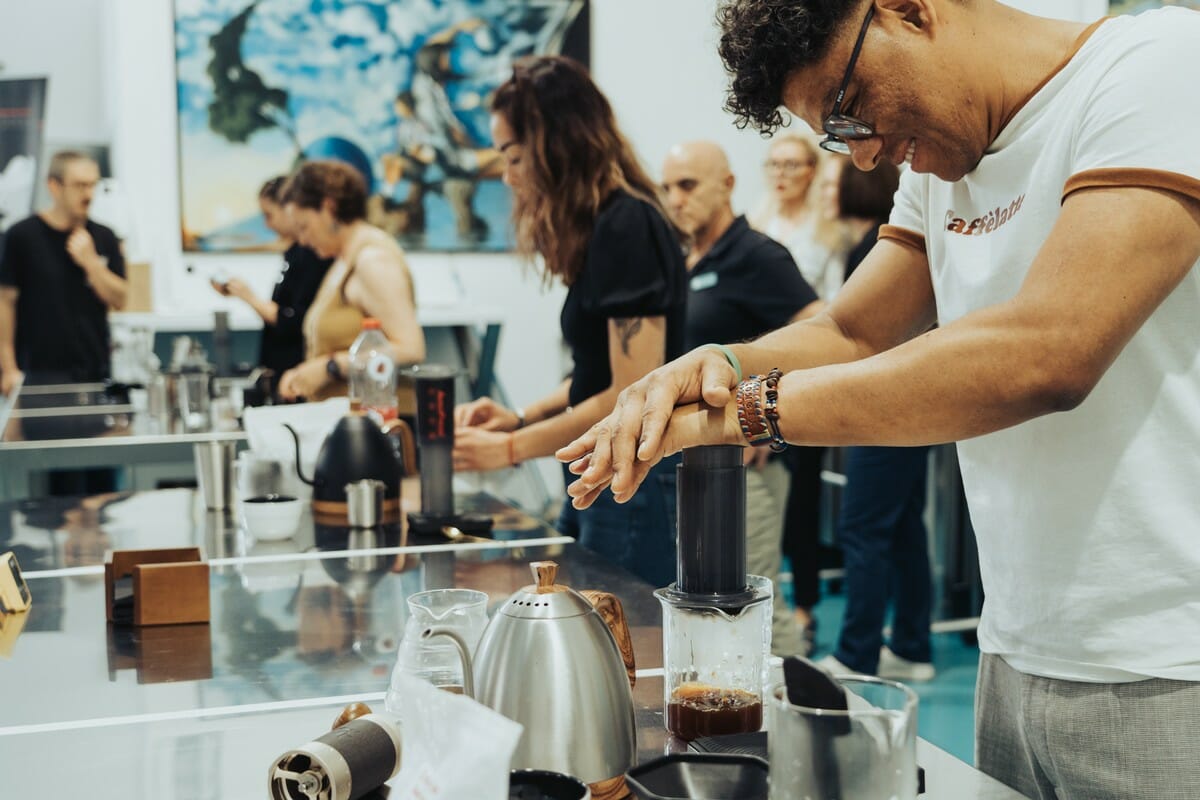
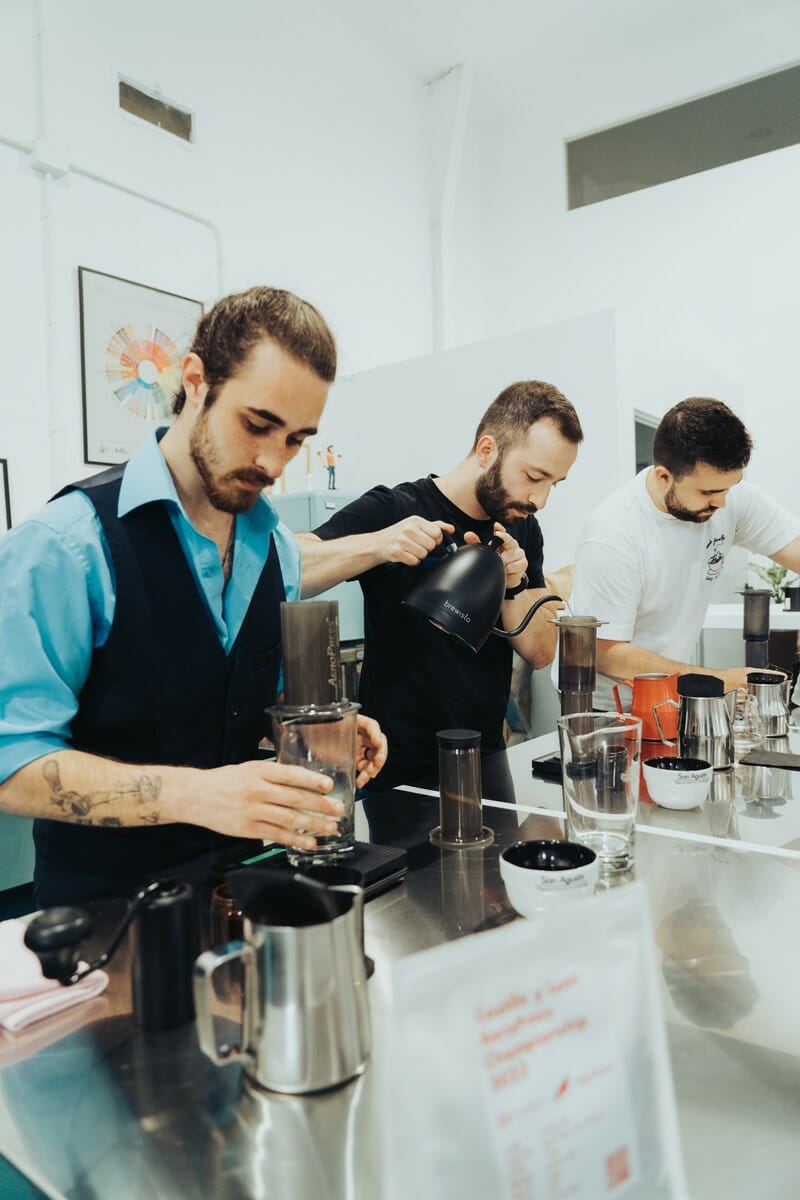
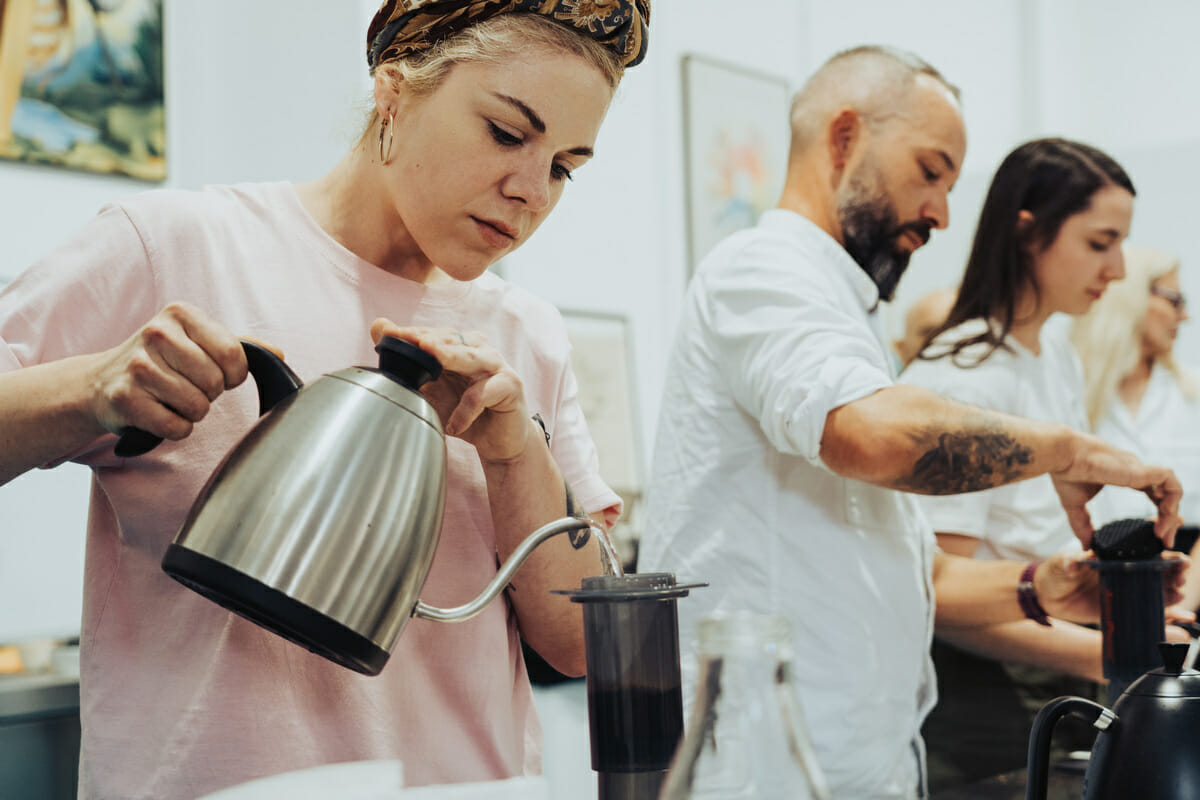
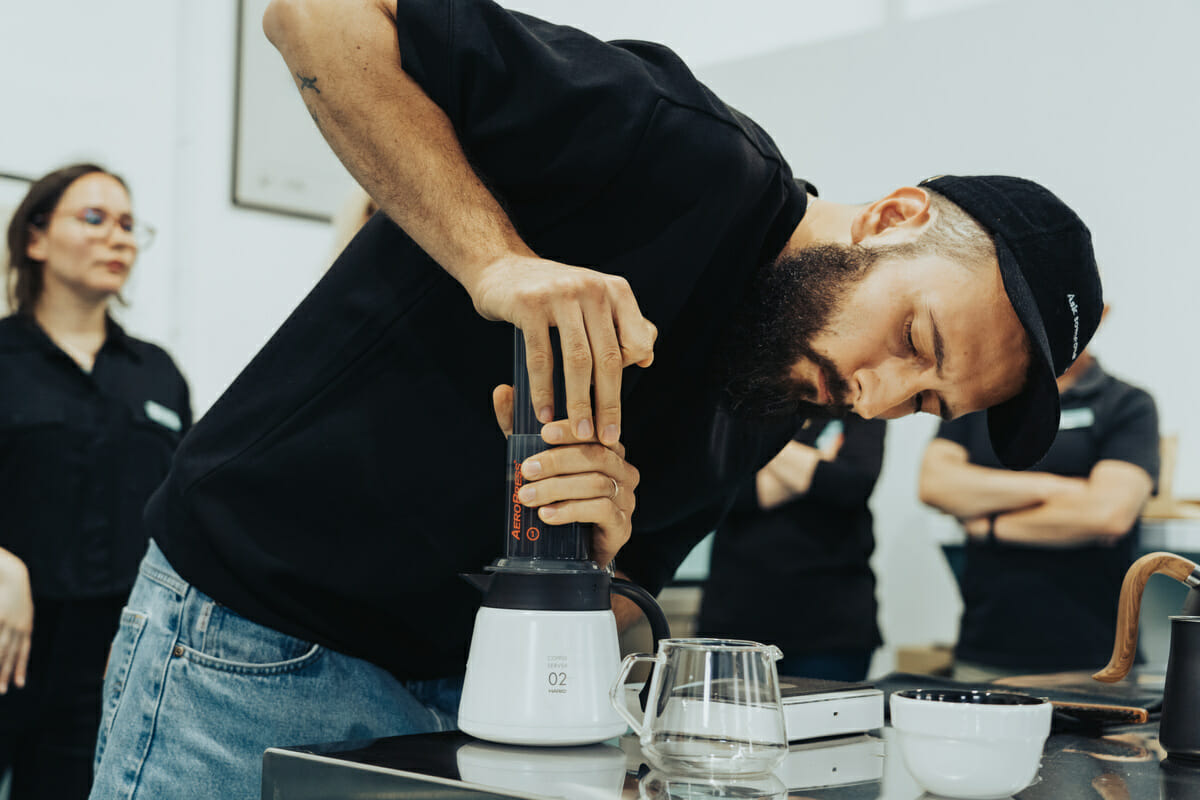
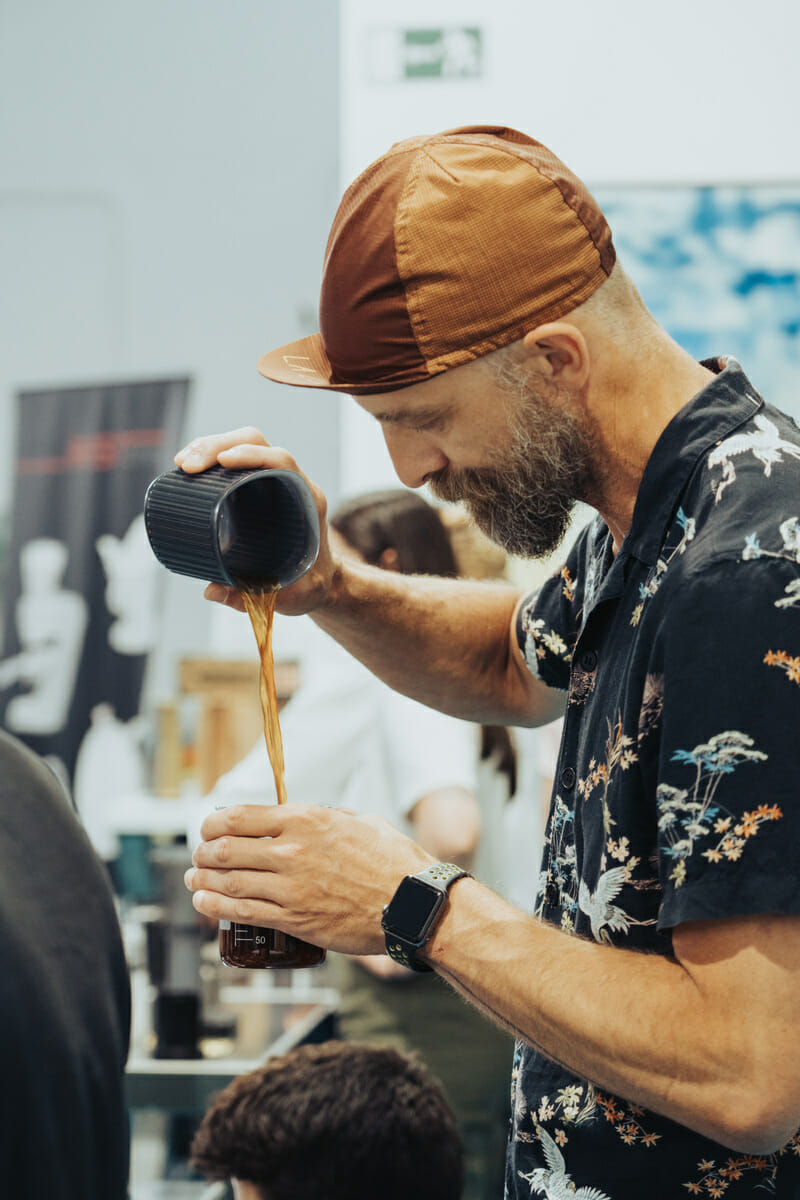
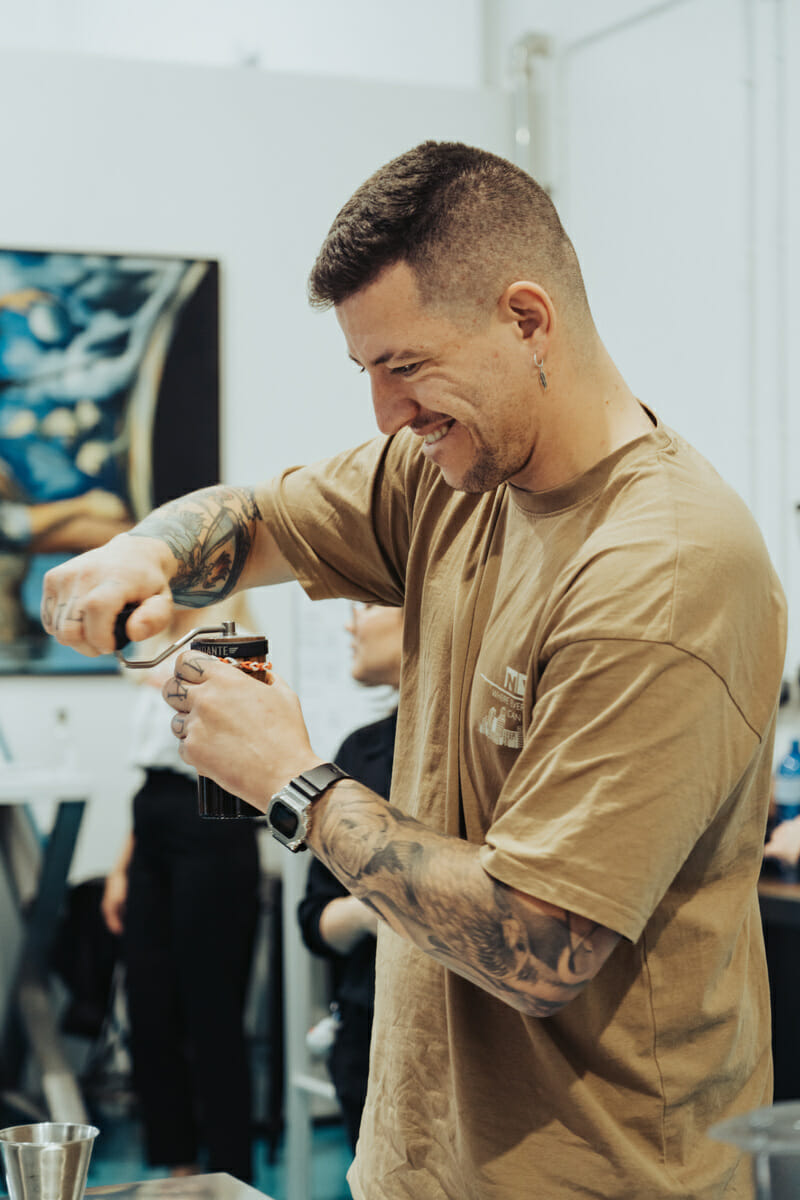
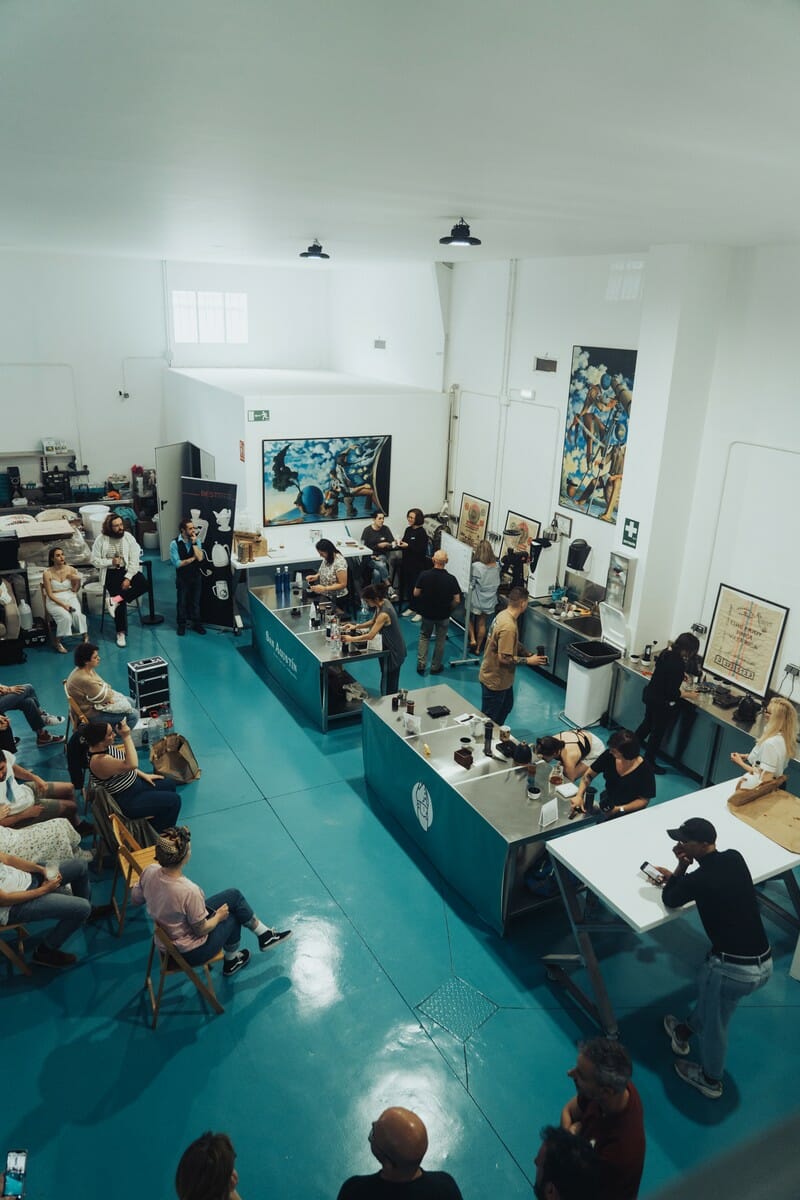
From the start, the atmosphere was filled with excitement. The baristas showcased their skills using their Aeropress techniques. Each presented their best recipe and worked hard to extract the best flavors from every cup.

But this wasn't just a competition event; it was a real party! Music, craft beer, delicious snacks, and lively conversation created a unique atmosphere. The aroma of freshly brewed coffee wafted through the air. Attendees had the opportunity to sample different varieties of filter coffee and also try the competition coffee in espresso. And when you add to all this the incredible musical repertoire the DJs provided, you can understand the authenticity of the atmosphere.

sanjeronimosongs
DJs @notthecoffeeboy and @sanjeronimosongs excelled with their music selections, creating a fun and energetic atmosphere. They were truly amazing!

How well the judges did! Marco de We are Puchero, Juanjo from Cosmos Café and the sommelier Daniel Giganto They played a pivotal role in the event. Their experience and knowledge were essential in ensuring a fair and objective competition. We appreciate their dedication and commitment to the pursuit of the best coffee.

Coffee, Competition, and Good Vibes: The Best of the 2023 Aeropress Castilla y León Championship
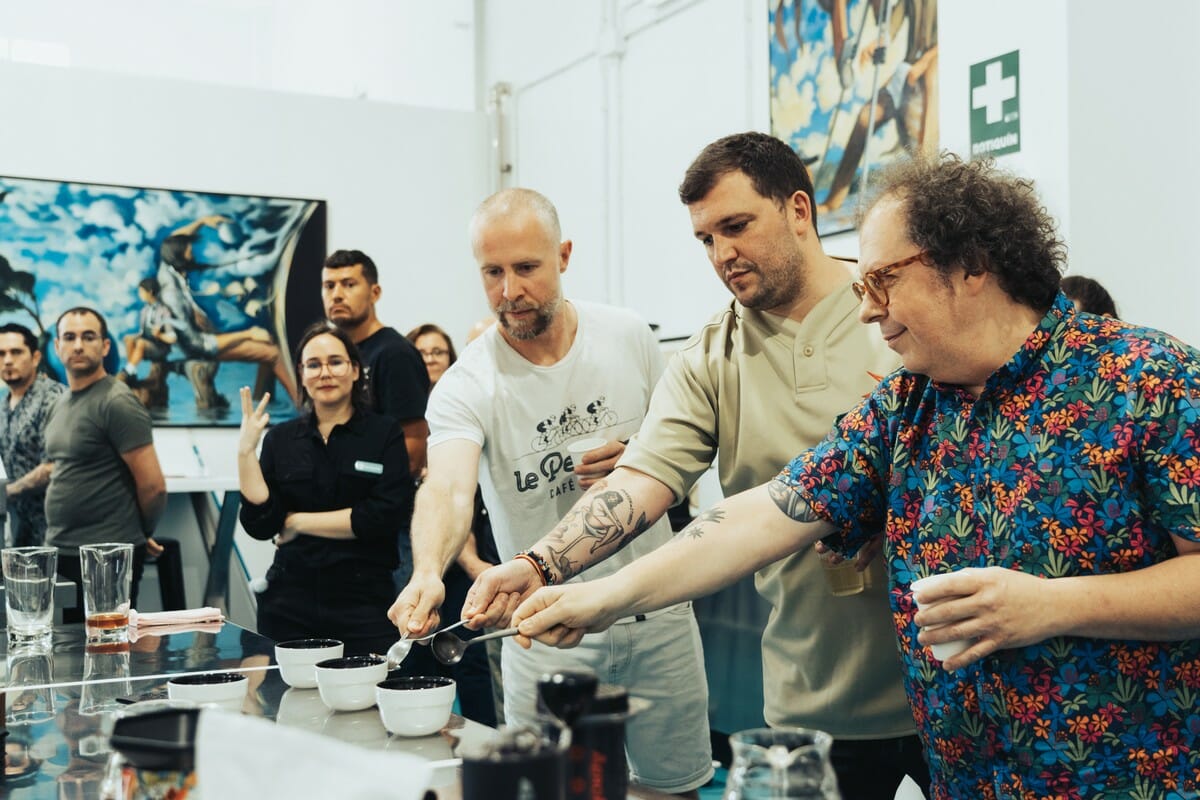
The judges select the cup they like best while everyone around them watches attentively.

We would also like to thank the sponsors and collaborators who made this successful event possible. Their support and contributions were instrumental in creating a memorable experience for all attendees.

Association of Leonese homebrewers
The Leonese homebrewers association (@accleones) surprised us with a delicious IPA brewed for the event.
Coffee, Competition, and Good Vibes: The Best of the 2023 Aeropress Castilla y León Championship
@lapostreriakamin

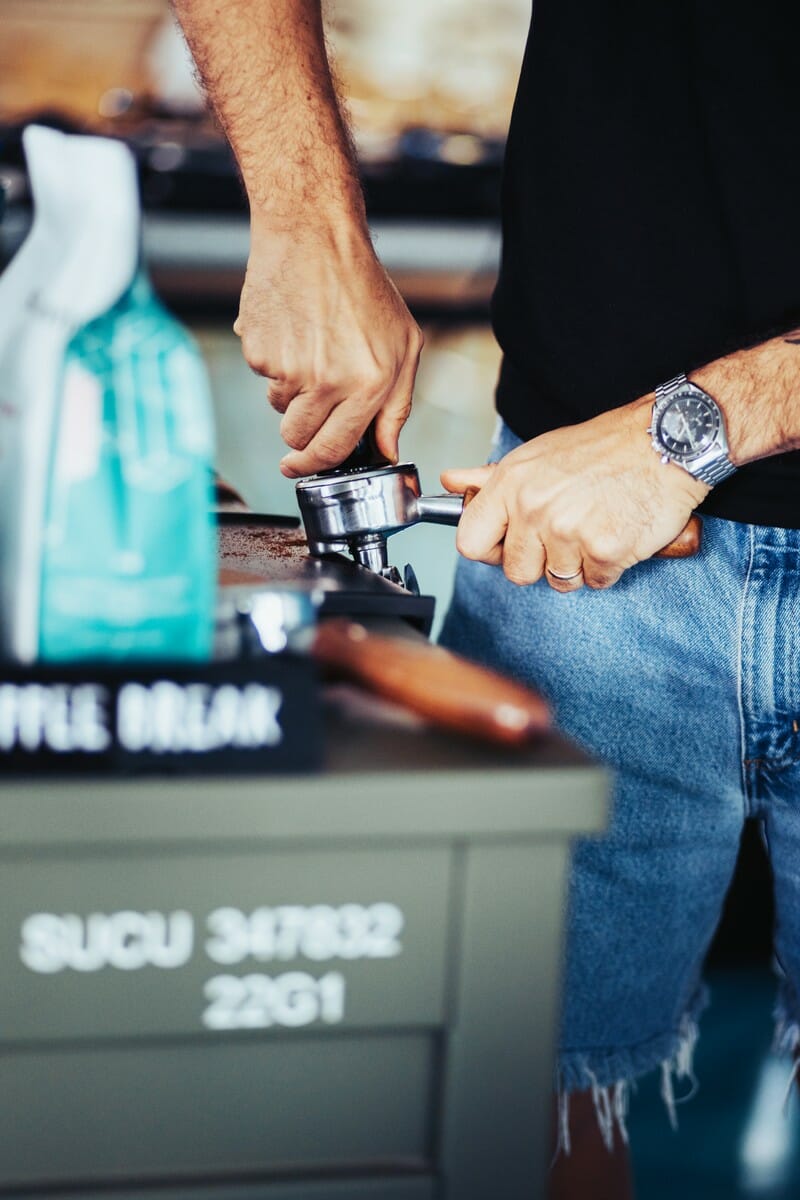
In addition, we have the valuable collaboration of Jesús Colino (@notthecoffeeboy), an unconditional support that is always there when we need it. Their commitment and contributions in various aspects are always of great value to San Agustín. On this occasion, Jesús was in charge of calibrating the competition coffee on the espresso machine and selecting the music alongside @sanjeronimosongs, creating the perfect atmosphere for the event. Their friendship and dedication have been fundamental to us from the very beginning.

Coffee, Competition, and Good Vibes: The Best of the 2023 Aeropress Castilla y León Championship
Jesus Colino (@notthecoffeeboy) was in charge of the barista area and music along with @sanjeronimosongs

Our entire team would like to thank Germán (@mingote.hls), who did an exceptional job hosting alongside María. His interviews with participants and his ability to create a fun atmosphere were key to the event's success. Without him, it wouldn't have been the same.

Coffee, Competition, and Good Vibes: The Best of the 2023 Aeropress Castilla y León Championship
German (@mingote.hls)

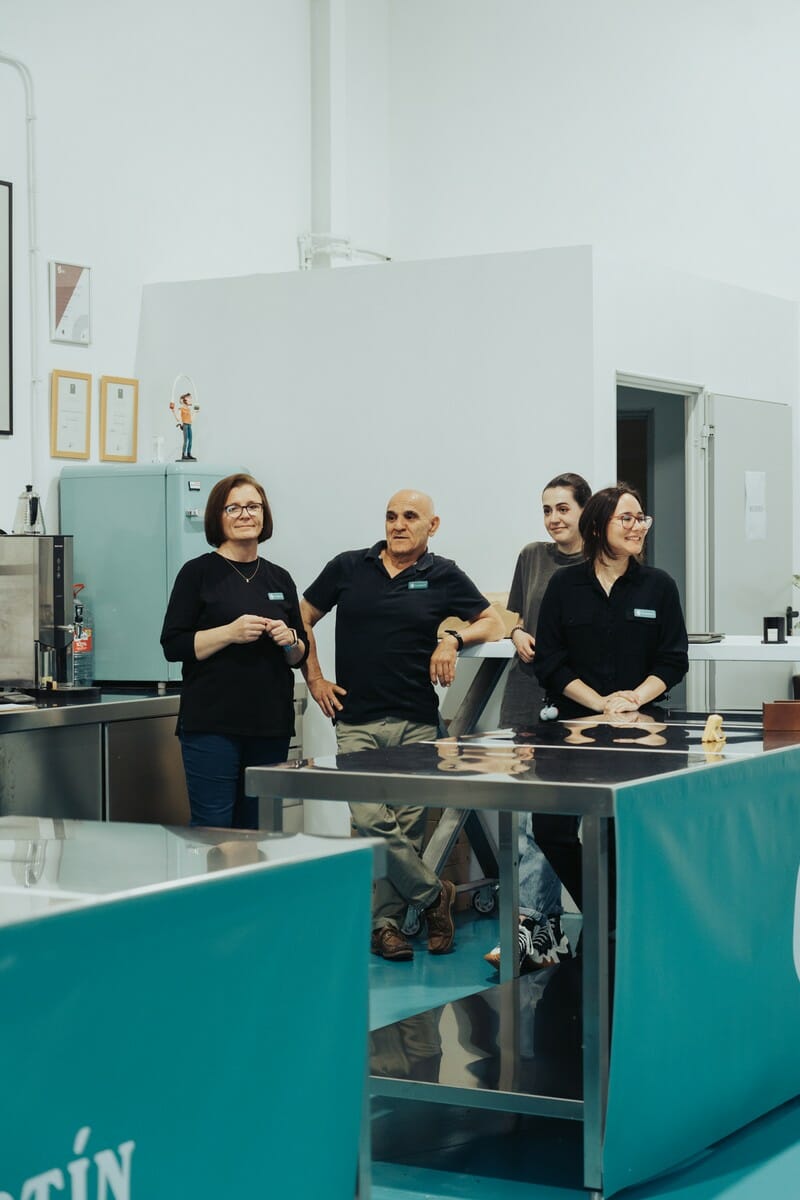
A special paragraph dedicated to Laura, who, along with Luis Ángel, are the heart of San Agustín. During the Championship, Laura led the staff team, personally in charge of mixing the cups, monitoring the timers, and ensuring everything ran smoothly. Her dedication and meticulous attention were essential to the event's success, and we are grateful for her commitment and tireless efforts.

Coffee, Competition, and Good Vibes: The Best of the 2023 Aeropress Castilla y León Championship
Laura, stopwatch in hand, did not miss a detail during all the hours that the championship lasted.

And now, without further ado, we want to share with you some of the highlights from the Regional Aeropress Championship and a short video. We captured moments filled with tension, concentration, joy, and camaraderie, reflecting the passion for coffee that unites us all.

I hope you enjoy these photos and the video!

Coffee, Competition, and Good Vibes: The Best of the 2023 Aeropress Castilla y León Championship
The Diamond – Colombia
Coffee, Competition, and Good Vibes: The Best of the 2023 Aeropress Castilla y León Championship
The appetizers offered by chef Mario Gómez of La Postreria Kamín were a delight and a complete success.
Coffee, Competition, and Good Vibes: The Best of the 2023 Aeropress Castilla y León Championship
Placing the cups for the judges
Coffee, Competition, and Good Vibes: The Best of the 2023 Aeropress Castilla y León Championship
The judges: Juanjo from @cosmoscafespain, Marco from @somospuchero, and sommelier Daniel Giganto @danigiganto
Coffee, Competition, and Good Vibes: The Best of the 2023 Aeropress Castilla y León Championship
The final
Coffee, Competition, and Good Vibes: The Best of the 2023 Aeropress Castilla y León Championship
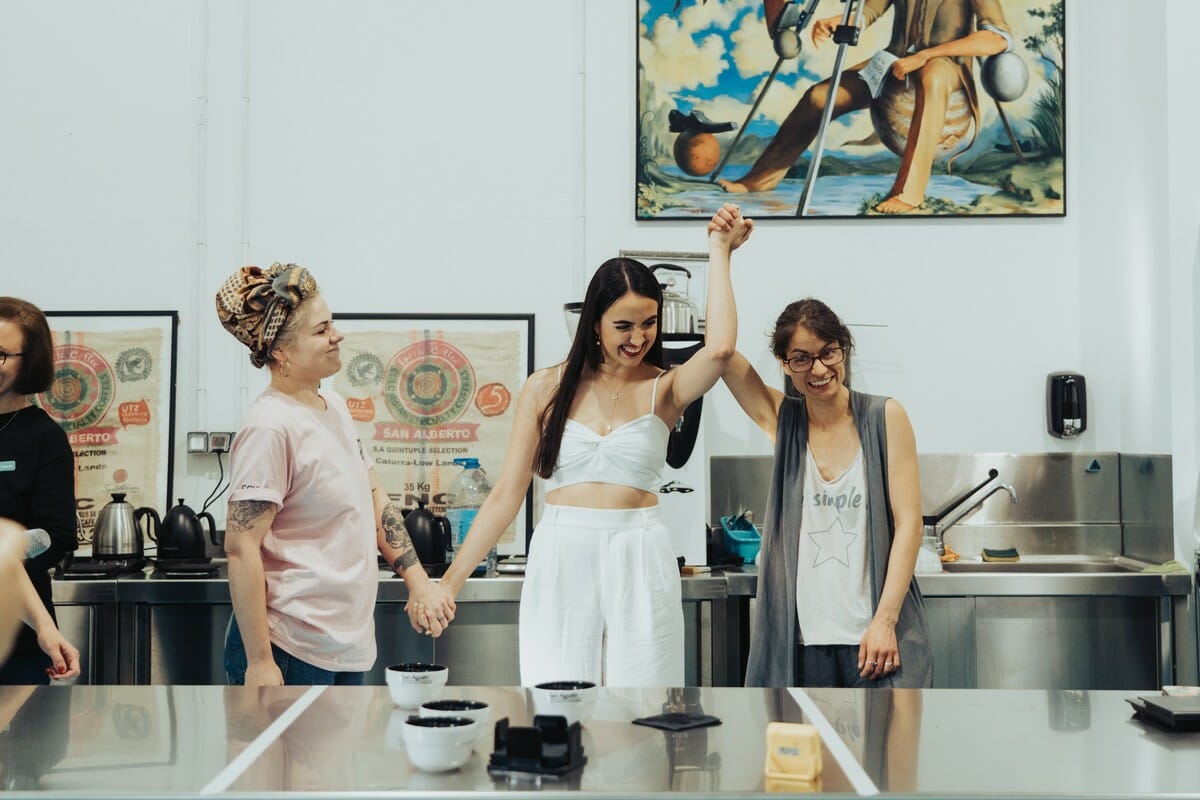
Maria at the moment she raises the arm of Carmen, the winner of the championship.
@notthecoffeeboy and @sanjeronimosongs
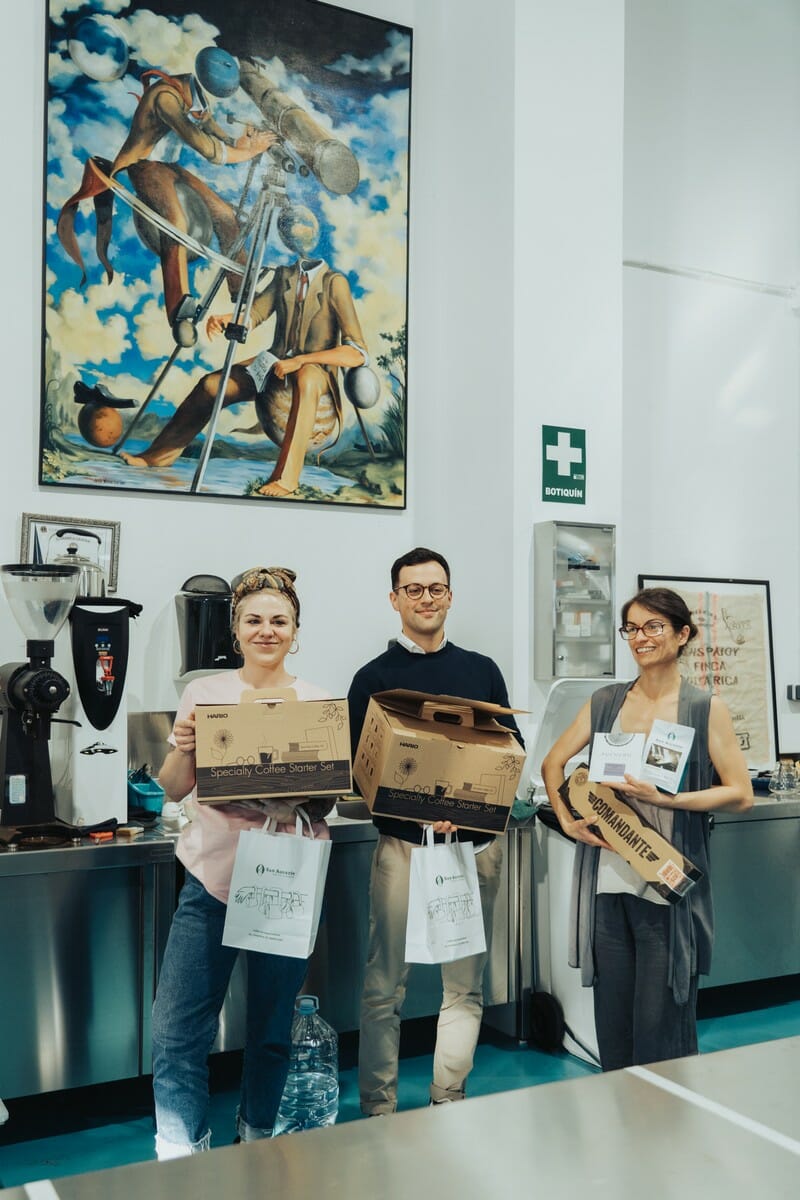
The three finalists
Coffee, Competition, and Good Vibes: The Best of the 2023 Aeropress Castilla y León Championship
Kati, Eduardo, Sandra and Wanda
Coffee, Competition, and Good Vibes: The Best of the 2023 Aeropress Castilla y León Championship
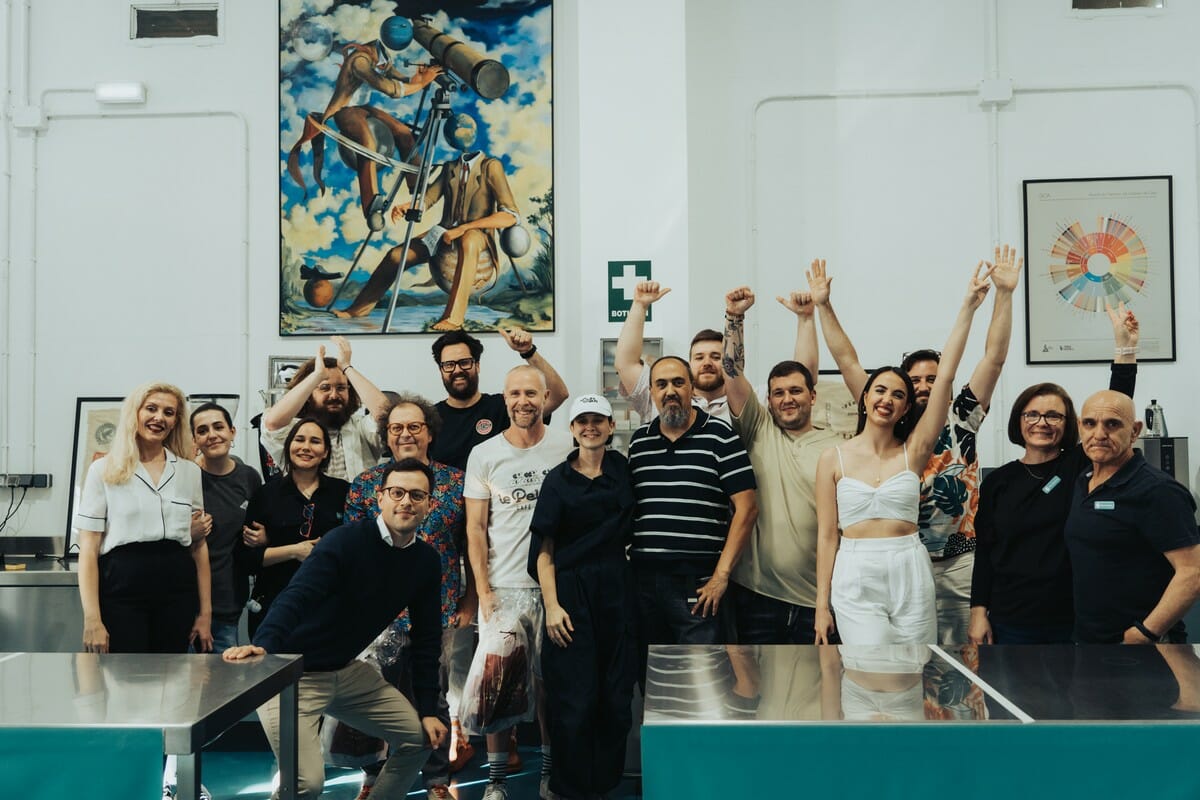
The entire San Agustín team, judges, @notthecoffeeboy, @sanjeronimosongs and Jaime Alejo

We are truly grateful for the wonderful experience we had at this Regional Aeropress Championship. It was an opportunity to celebrate coffee culture, share knowledge, and enjoy the company of other coffee lovers.
Aeropress Championship of Castile and León 2023 – Cafés San Agustín

San Agustín Cafés organized the 2023 Aeropress Castilla y León Championship: a unique day of specialty coffee, competition, and community.

Relive the experience of the 2023 Aeropress Castilla y León Championship, an event notable for its passion for specialty coffee and barista competition.

Until the next cup,

The San Agustín team

Photos and video of our friends John and Sarah (@studiofurgo @blooming.memories)

Posted on

Anaerobic fermentation

Anaerobic fermentation

A winemaking technique that has revolutionized the coffee industry.

Anaerobic fermentation has been trending in the coffee industry lately, especially since Sasa Sestic, the 2015 WBC Championship winner, popularized the method. In fact, of the top six finishers in the 2018 WBC competition, five used the anaerobic fermentation process for their coffee beans. But did you know that this fermentation technique is actually a reference to winemaking? Yes, it's used to experiment with coffee beans, and the results can sometimes be incredible.

Fermentation: a key process in coffee making.

During the processing of green coffee beans, the level of fermentation can greatly affect the final flavor of the coffee. There are two types of fermentation: aerobic and anaerobic. While anaerobic fermentation is more controllable, aerobic fermentation is more difficult to monitor due to the many environmental variables. Although most traditional processing methods are aerobic, anaerobic fermentation has gained ground in recent years. It's important to keep in mind that balance is key to not destroying the coffee's flavor!

Anaerobic fermentation
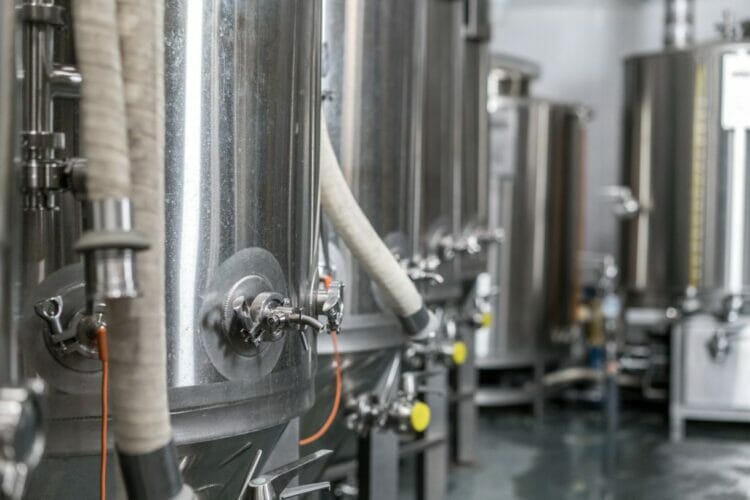
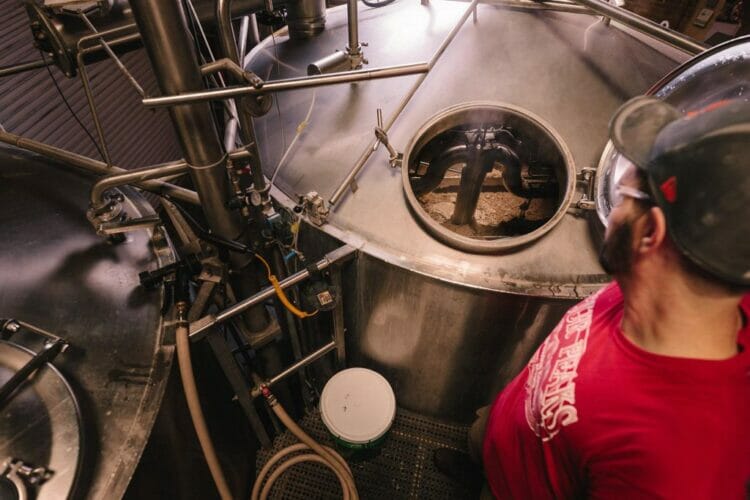
Stainless steel fermentation tank.

A technique that can result in unique and surprising flavors.

Anaerobic fermentation, also known as carbonic maceration, is a technique used in red winemaking. It involves placing grapes in a sealed container filled with carbon dioxide to enter an anaerobic state, allowing the fructose in the grapes to be converted into alcohol without the need for yeast. This process results in a wine with a smooth aroma and rich flavor.

The coffee beans Sasa Sestic used in the 2015 WBC Championship were Rume Sudan beans from the Las Nubes farm in Colombia. According to him, the anaerobic fermentation process involved placing the ripe coffee fruit in a sealed container and removing oxygen by injecting carbon dioxide. This allows for control over decomposition, pH, gas composition, humidity, temperature, and even the type and amount of bacteria involved in the fermentation, resulting in a more balanced and sweet flavor. However, there is no standard version of this processing method yet; it is still under development and lasts from 72 to 240 hours. Over time, the flavor can shift toward fermented flavors like cheese and yogurt, which is also very interesting!

Characteristics.

Anaerobic fermentation has some unique characteristics that differentiate it from other processing methods. First, the coffee fruit is placed in a stainless steel container, which does not absorb the flavor of the previous coffee beans, allowing for a cleaner taste. Furthermore, fermentation takes place in a closed environment, making it easier to control various factors and resulting in processed coffee beans that tend to be more consistent. This also reduces the volatilization of aromatic substances. Because it is carried out in an oxygen-free environment, anaerobic fermentation often produces coffee beans with flavors such as rose and lychee that are not easily found in traditional processing methods. Furthermore, coffee beans produced using this method typically have a fuller body and aroma.

Anaerobic fermentation

Epilogue

There are so many coffee bean post-processing methods available today that it's exciting to see how each one creates unique flavors! One of the newer methods is anaerobic fermentation, which has its proponents and detractors. However, it's important to remember that coffee quality depends on factors such as variety, growing environment, and processing. While good processing methods can improve the quality of coffee beans, they can't work miracles for poor-quality beans. In the end, the most important thing is to find the flavor you like, regardless of the processing method. If you want to try something new, give the commercially available anaerobically fermented coffee beans a try!

Posted on

Why are some people more sensitive to the taste of coffee?

Why are some people more sensitive to the taste of coffee?

Why can experienced coffee tasters distinguish many coffee flavors, but the vast majority of users can't describe the notes they perceive? Or why can they describe some notes, but not as accurately as coffee tasters? These questions are frequently asked in the industry. Let's analyze how the sense of taste works and how the brain analyzes flavor.

For starters, it's hard to know whether something tastes good or not, as many factors influence how we perceive things, such as smell, pharmacological effects, temperature, vision, environment, atmosphere, etc. Some people also have different tastes due to their genes, which is why some people may hate cilantro or cauliflower.

Just like wine tasting, many factors influence the flavor of coffee, such as the origin of the beans, the production method, and the type of processing. By tasting different types of coffee, you can appreciate the differences in the flavor and quality of the beans. Just as a wine connoisseur can distinguish between different regions and grape varieties, a coffee connoisseur can appreciate the differences between different origins and different production processes.

Human taste is basically divided into five categories: sour, sweet, bitter, salty, and umami (the taste of amino acids and proteins). In addition, there is spiciness, which is a kind of painful sensation and can be very different depending on the food that produces it, but it is not a taste. It produces a dryness or tightness in the mouth, which is what we feel when oral protein breaks down.

The human body has between 4,000 and 5,000 taste buds, half of which are located at the root of the tongue. There are also between 2,000 and 5,000 taste buds from the depths of the mouth to the throat.

Understanding how our brain interprets the taste of coffee.

When coffee reaches your mouth and touches your taste buds, it sends signals to your brain, which then interprets these signals to determine whether the coffee tastes sour, sweet, or bitter. However, we often say that a cup of coffee tastes like honey or flowers—how can that be if there are only five flavors? This is primarily due to your sense of smell. Although the human sense of smell isn't as keen as a dog's, it's still very sensitive. The flavors in coffee evaporate and combine with the olfactory organs at the back of your nose to create what we call "flavors." The combination of smell and taste signals is very complex, and your brain requires long-term training to distinguish all the combinations of signals in detail. This is why coffee tasters and chefs have specialized training in recognizing different flavors and smells.

If you're unable to detect the subtle flavors of coffee or can't taste some of the flavors in dishes mentioned by others, it's not necessarily because your sense of taste and smell are impaired. It's simply because your brain doesn't recognize or interpret those smells. For example, if I tell you that a cup of coffee smells like Earl Grey (a type of black tea, usually of Indian origin, flavored with bergamot essential oils), you may not know what I'm talking about. Therefore, the brain needs training to be able to recognize and distinguish different flavors and smells, which is also part of the training for coffee tasters.

The rise of the coffee flavor wheel.

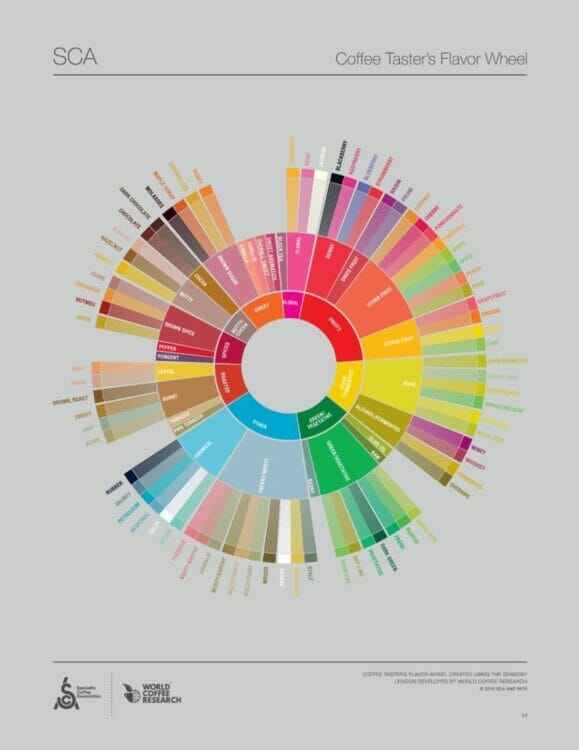
Basically, the problem that the color red we see can be different for each person also applies to the sense of taste. When we eat something with the same flavor, we may have different interpretations of how that food tastes. To solve this problem, the coffee industry has created something called a "flavor wheel" that helps everyone communicate and better understand what they are drinking or smelling. In 2016, the SCA made some changes to the original flavor wheel published in 1995. This helps everyone speak the same language when referring to the different flavors of coffee.

Why are some people more sensitive to the taste of coffee?

The coffee "flavor wheel" has been carefully designed to show which flavors are closest to each other and which are less similar. Typically, adjacent flavors on the map are more closely related to each other, while opposite flavors are less similar. If you're not sure how to describe the flavor of a cup of coffee, you can use the flavor wheel as a guide to help you find the right words. It's a useful tool to ensure we're all speaking the same language when referring to the different flavors of coffee.

How to expand your flavor vocabulary.

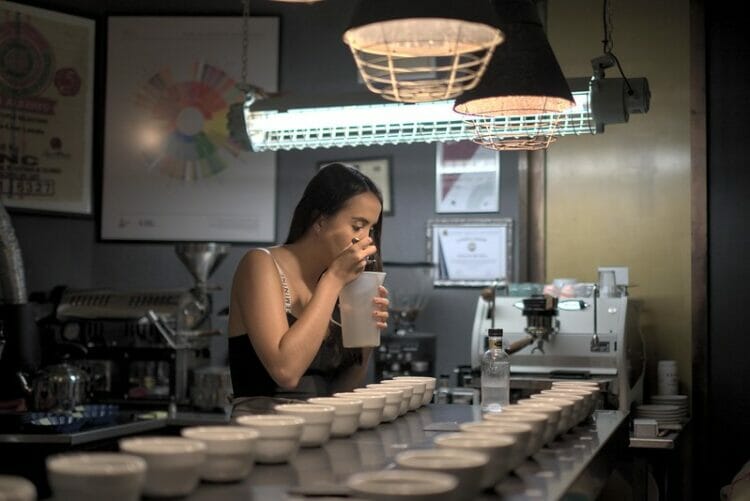
When coffee tasters evaluate the flavor of a sample, they often sip the coffee vigorously to turn the liquid into many small droplets that coat all the taste buds in the mouth. However, this can be very noisy and may be inappropriate in a coffee shop, as the shop owner or other customers may think you're a professional or trying to be annoying. Instead, it's recommended to sip the coffee slowly, allowing the liquid to flow throughout your mouth and moisten every cell.

To improve your flavor vocabulary and learn to better describe what you're drinking or eating, you can practice tasting different foods and fruits in your daily life, such as oranges, grapes, mangoes, berries, plums, peaches, lychees, red wine, nuts, caramel, and honey. It's also important to have an open mind and be willing to try unusual or unfamiliar foods that may come your way.

Why are some people more sensitive to the taste of coffee?

The Flavors of Coffee: Why Is Bitterness King?

In the book "THE CRAFT AND SCIENCE OF COFFEE," it is mentioned that bitterness is one of the main components of coffee flavor. Humans, who originally rejected bitterness and acidity, have learned to enjoy these flavors through culture and experience. Each person has a different tolerance for bitterness and can accept various levels in different foods. For example, Taiwanese are accustomed to eating fermented foods like soy sauce or fermented tofu, so they can easily accept the fermented flavor of some types of coffees with natural processes and more exotic profiles. Westerners, on the other hand, tend to place a greater emphasis on the original flavor of foods and prefer cleaner, more acidic, and brighter flavors.

In the past, most people drank Arabica coffee beans, which have a variety of fruity and acidic flavors. However, over time and under the influence of marketing, people began to associate the taste of coffee with bitterness, and coffee is expected to have a strong, bitter taste. As a result, the original Arabica coffee beans with acidic flavors are considered strange.

Subjective taste and smell in specialty coffee: Why it's important to be open to trying different flavors.

The acidic taste of specialty coffee can cause saliva to be released, which can help the taste buds perceive more flavors. When the liquid enters the mouth, it is washed away by saliva. If it is washed away more quickly, it will have a clearer taste, and if it is washed away more slowly, it will have a lingering aftertaste. Some flavors, such as sweetness and acidity, are very prominent in coffee and disappear quickly after being perceived, which can provide a refreshing sensation. Other flavors, such as jasmine aroma, grapefruit flavor, and nutty flavor, will have a lingering aftertaste.

Acids can be divided into good acids and bad acids. The good acids we like in our specialty coffee are those that resemble fruits. A bad acid would be, for example, the acid from a defective bean. Some people don't like the acidity of specialty coffee. Others simply don't like acidity.

Finally, it's important to keep in mind that coffee's acidity and sweetness are two characteristics that can significantly affect its flavor and should be considered when choosing and preparing the perfect coffee for each person. It's also important to remember that taste and smell are two very subjective senses and can vary greatly from person to person. Therefore, it's important to be open to trying different flavors and be willing to learn more about them in order to fully enjoy coffee and all its complexities.

Posted on

What is coffee degassing and why does it matter?

Degassing is the process by which coffee expels the carbon dioxide generated during roasting.

How the process of expelling CO2 from the coffee bean affects the flavor and freshness of the final cup.

Degassing is the process by which coffee expels the carbon dioxide generated during roasting. It is one of the aspects that most influences the quality and flavor of the final cup. Carbon dioxide (CO2) is a consequence of the Pyrolysis, which occurs during roasting and is responsible for most of the flavors and aromas of coffee.
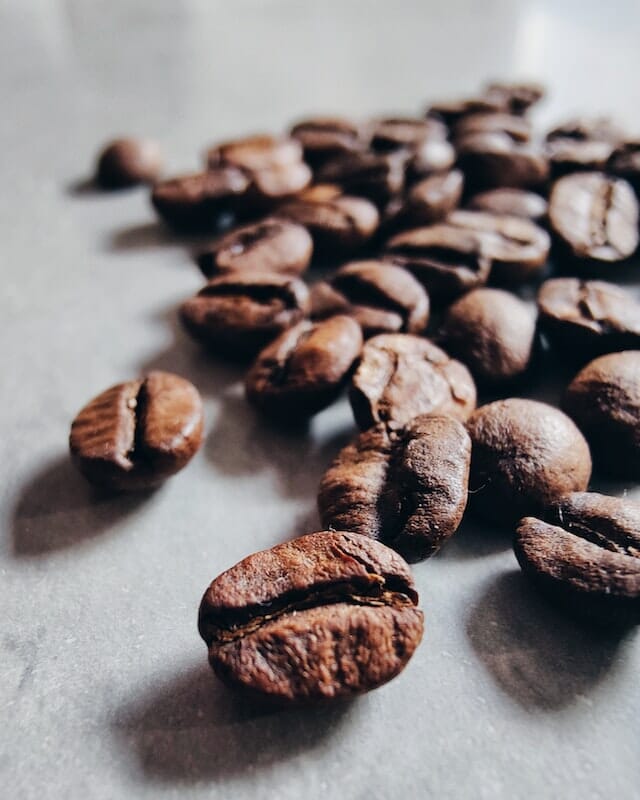
Pyrolysis is a chemical reaction that occurs during the final stage of coffee roasting. It is considered one of the most important chemical reactions in this process because it is at this point that the sugars present in the coffee bean are converted into other compounds. During pyrolysis, energy is released and gas is produced. This reaction is responsible for many of coffee's flavors and aromas, as well as its color and texture.

However, CO2 can also hinder coffee extraction during brewing, which can affect the quality and flavor of the final cup.

The right roast: key to coffee freshness

During roasting, CO2 is also released from the bean, which is produced as a byproduct of the Maillard reaction. If roasting is carried out improperly, for example, if the bean is roasted too quickly or at too high a temperature, excess CO2 may be released from the bean, which in turn will cause problems with proper degassing. This can affect the freshness and flavor of the coffee and hinder extraction during brewing.

Degassing is the process by which coffee expels the carbon dioxide generated during roasting.
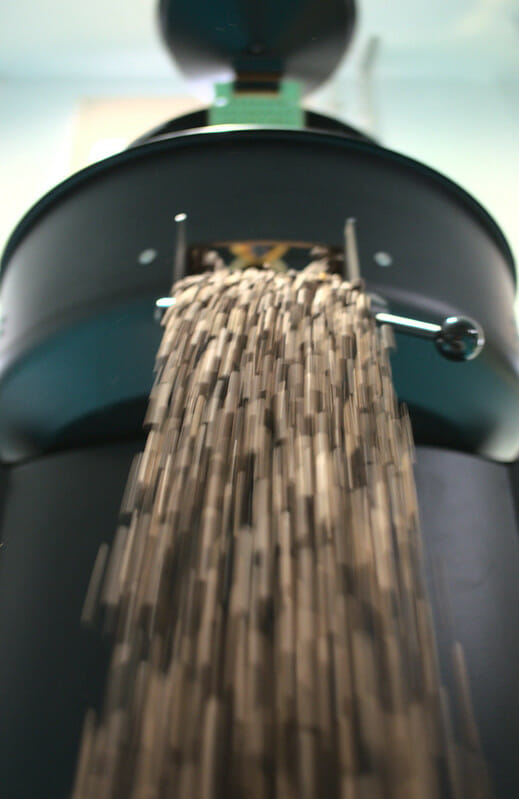
Sample roaster in San Agustín.

That's why it's important to ensure proper and controlled roasting to ensure the right amount of CO2 is released from the bean and to obtain high-quality, flavorful coffee. This includes controlling factors such as temperature, time, and the roasting profile used.

Coffee degassing: time and factors to consider

Degassing is the process by which carbon dioxide is removed from the coffee bean after roasting. This can be done naturally by letting the coffee sit or by using sealed bags with valves that allow CO2 to escape and prevent it from entering the air. A balance in degassing is necessary to ensure the coffee has excellent freshness and flavor.

The time required to complete degassing can vary, but a period of one to two weeks is generally considered sufficient for most types of coffee. However, it's important to note that degassing time can also vary depending on the roasting type and brewing method. For example, for espresso machines, it's recommended to let the coffee steep for 10 to 15 days, while for filter coffee machines, four days may be sufficient. Degassing is important not only for the freshness of the coffee but also for its flavor and aroma, as once the CO2 has been eliminated, the flavors and aromas of the coffee are more pronounced and can be fully enjoyed. Furthermore, good degassing can also improve coffee extraction during brewing, which can lead to a more balanced and rounded cup.

Degassing is the process by which coffee expels the carbon dioxide generated during roasting.
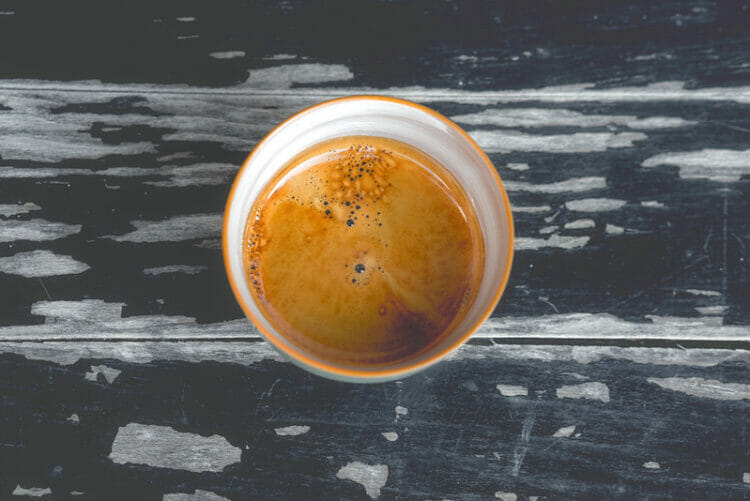
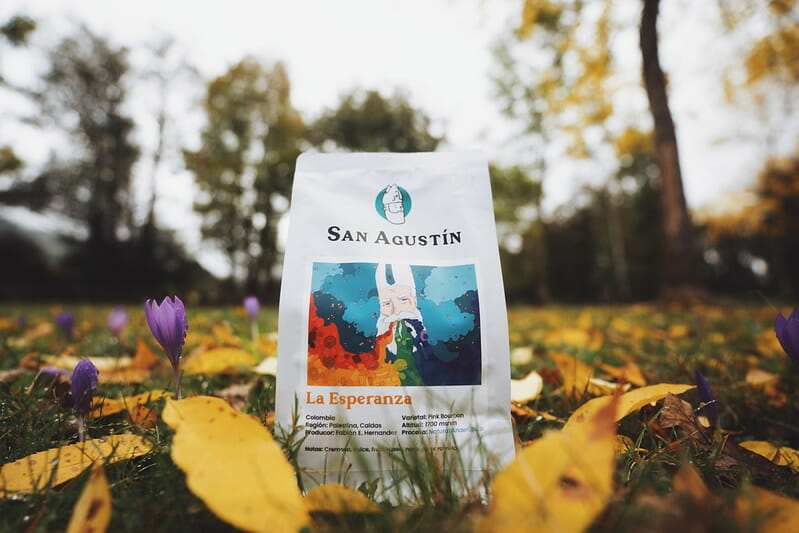
Double espresso of La Esperanza.

Bubbles in espresso crema: a sign of trapped CO2

Espresso crema is a thin layer of light brown foam that forms on top of the cup and is composed primarily of oils and proteins. The CO2 is trapped in the coffee bean after roasting. If the coffee is brewed immediately after roasting, the CO2 may not have had enough time to escape and can affect the crema. This can manifest itself in the formation of bubbles, which affect its appearance, flavor, and aroma.

Don't forget that every coffee bean is different: some may take longer to degas than others. If it's been a few days since you roasted your coffee and the extraction isn't what you expected, give it a little more time. But don't leave it unprepared for a full month.

Posted on

Quality always finds its customers

St. Augustine

The taste of coffee isn't bitter or burnt, but rather acidic and sweet. This makes sense when you realize that the coffee bean is actually the seed of a fruit, the coffee cherry. Depending on where it grows, a coffee bean can develop many different flavors. But for this to happen, the coffee plant must be carefully cared for, its cherries processed correctly, shipped carefully, roasted, and prepared with care. Only then will the coffee flavor develop to its full potential.

As coffee roasters, our craft places us in the final stage of the journey from bean to cup. That's why, when roasting our coffee, we strive to perform our work with the greatest possible perfection, to ensure the flavor reaches its fullest potential. This means minimizing those flavors that we believe result from a poor roast. For example, an excessively dark roast will result in a bitter, burnt flavor that will overshadow the character of the coffee itself. On the other hand, a roast that is too light will produce an underdeveloped flavor and unpleasant acidity. What we strive for is to find that happy medium where we can appreciate the unique character of each coffee bean and allow its flavor to unfold in all its splendor.

Why do we think coffee is strong and bitter and needs milk or sugar to be good when it has so much flavor potential? The answer is simple: out of ignorance. Before the rise of specialty coffee, coffee was primarily considered a commodity with a consistent flavor: strong and bitter. That's why the focus was on production rather than quality. If you roast coffee very dark, the quality of the bean doesn't matter as much, and the flavor becomes consistent—strong and bitter. But now that there are more specialty coffee roasters and more cafes around the world, we're beginning to appreciate the complexity of the bean and move away from the idea that coffee is just a commodity.

We are committed to helping make this happen. That's why we roast coffee for its flavor and are proud to showcase the diversity it has to offer.

Every day, we tell this story. The story of how it went from a basic, strong product to something with so much flavor potential that we're proud to showcase. The story of how we focused on quality instead of production and how this benefits everyone: from farmers and toasters even consumers who are willing to pay more for high-quality coffee.

This is the story we tell every day!

Posted on

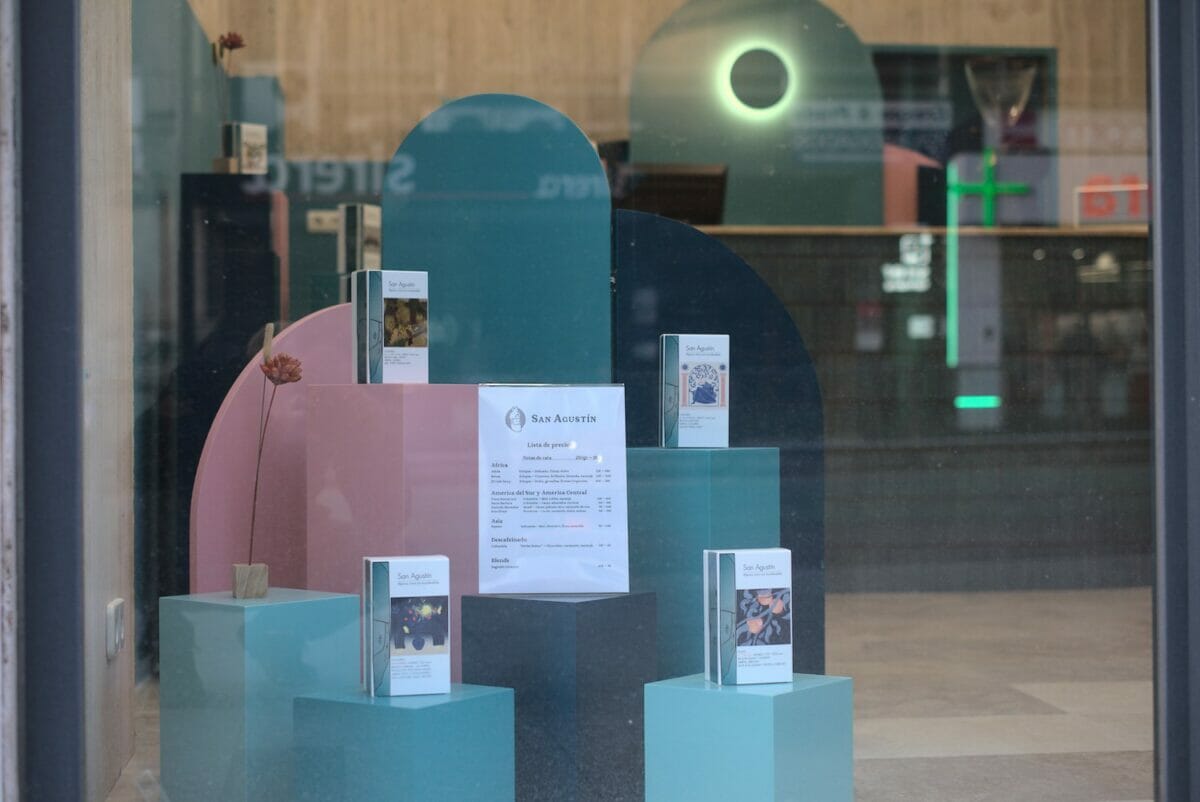
Official San Agustín Store in León

San Agustín Store

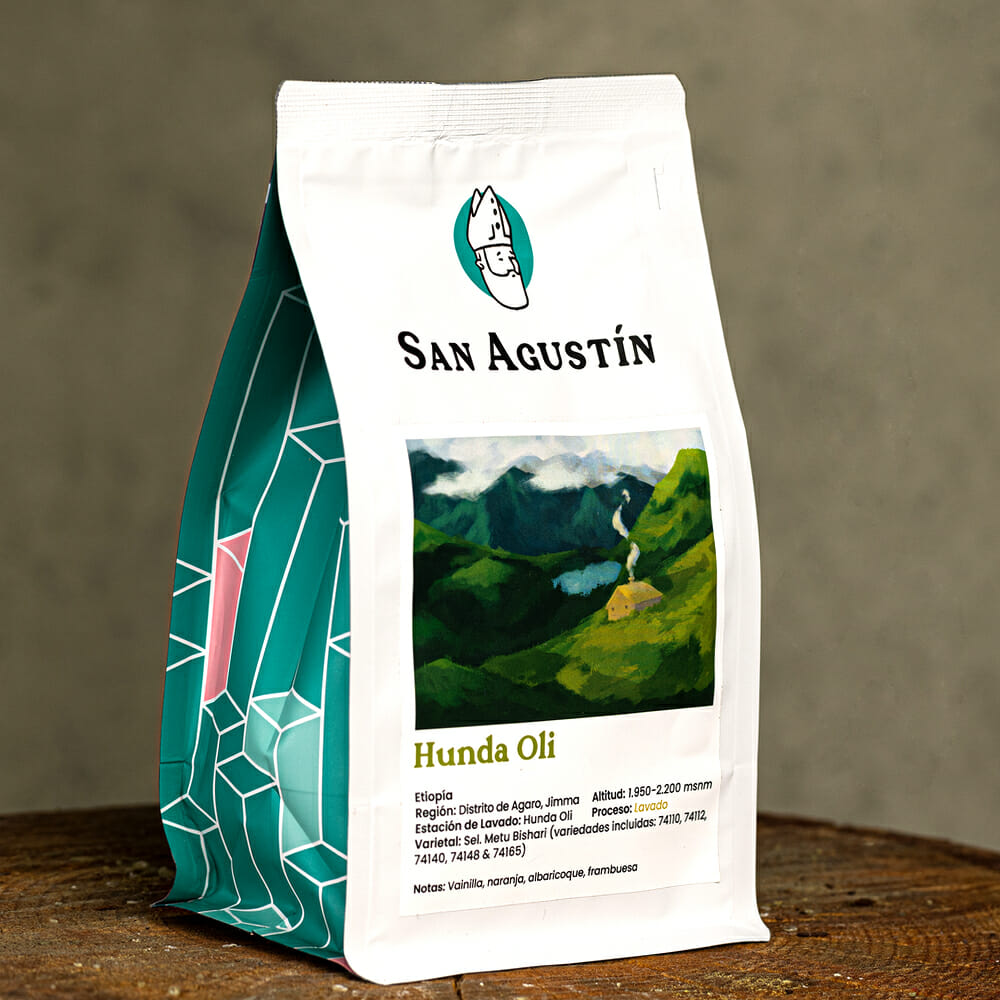
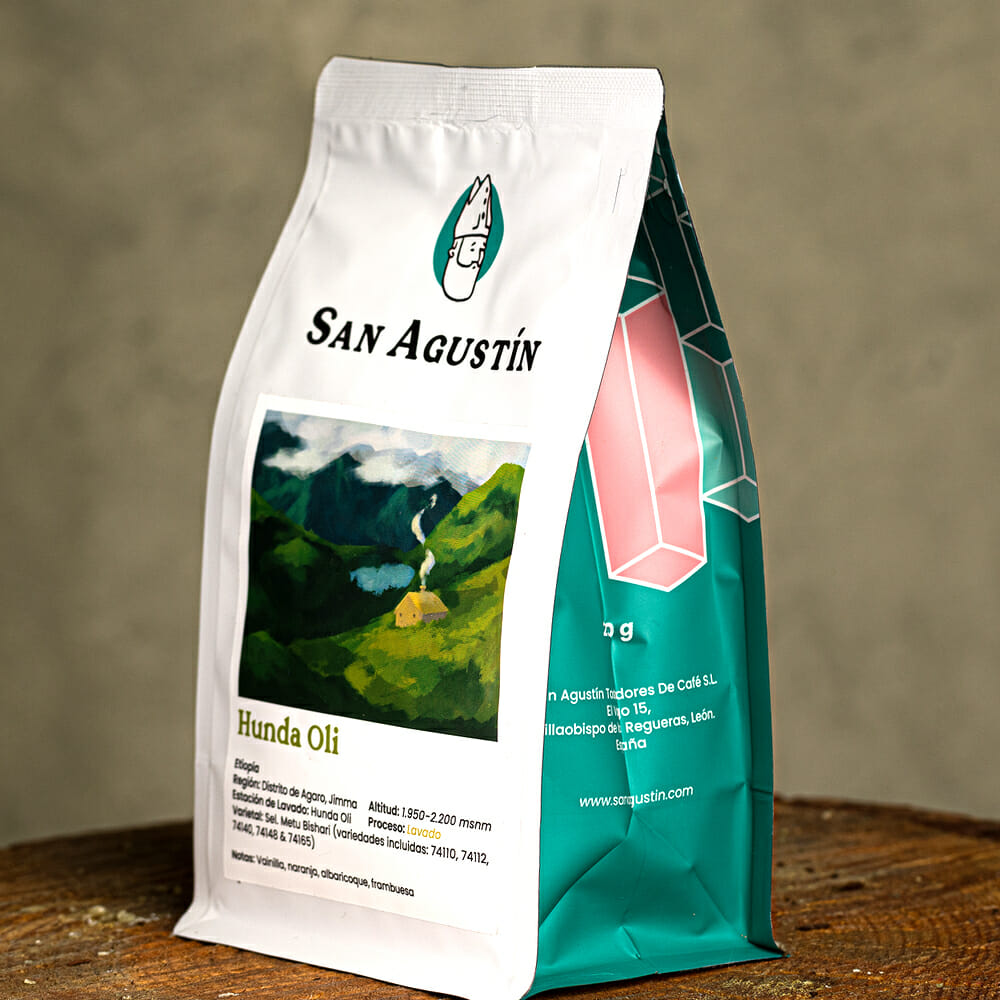
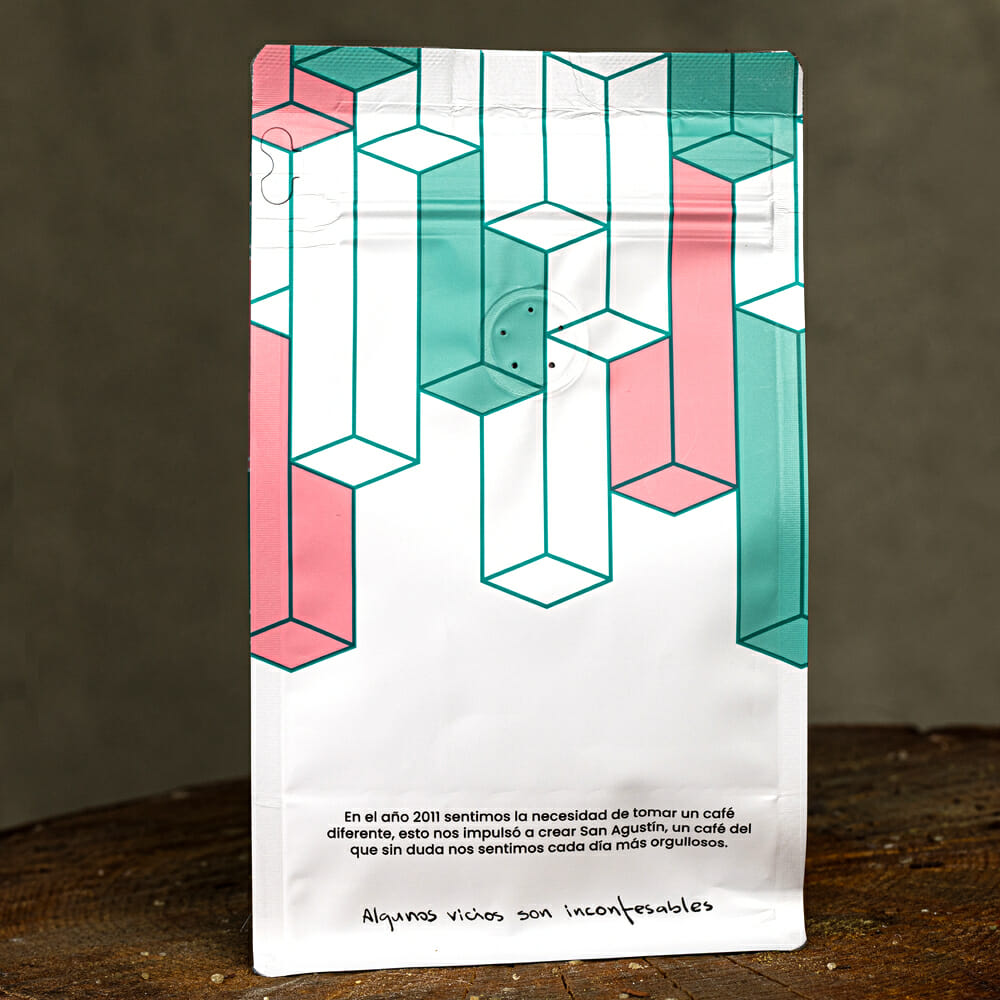
In our store in León, you can find all of our delicious, high-quality coffees, which have been carefully selected and roasted. In addition, our designer «Lisa Palper» has worked hard to refresh our image and give a modern and attractive touch to our bags and logo. We've also eliminated cardboard boxes for the 250g format, and both formats now come with a Zip closure and labels with larger illustrations.

¡Come visit us and take one of our coffees with you while you explore our beautiful shop!

We hope you like it!!

Posted on

Check out our new coffee bags!

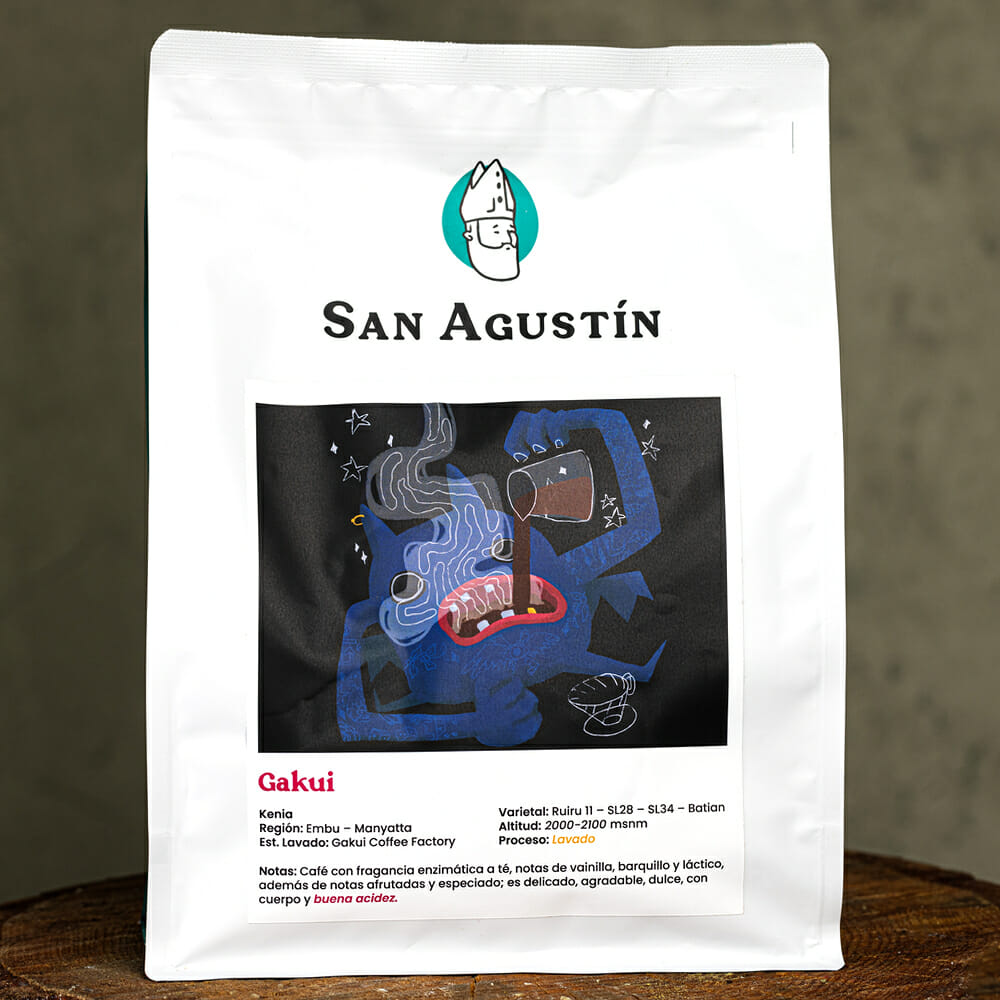
Gakui, St. Augustine

We're excited to introduce our new look, and we hope you love it as much as we do. The new image reflects our passion for coffee and our commitment to providing our customers with a high-quality product. We've also improved our bags to ensure our coffee reaches you in perfect condition. We can't wait for you to try our coffee in its new packaging and tell us what you think!

Now the 1kg bag also comes with a Zip closure and the label with the illustration is much bigger.

We've eliminated the cardboard boxes for the 250g format, and now both the 250g and 1kg formats have flat bottoms, a valve, and a Zip closure.