Posted on

La Rosa Farm, Honduras

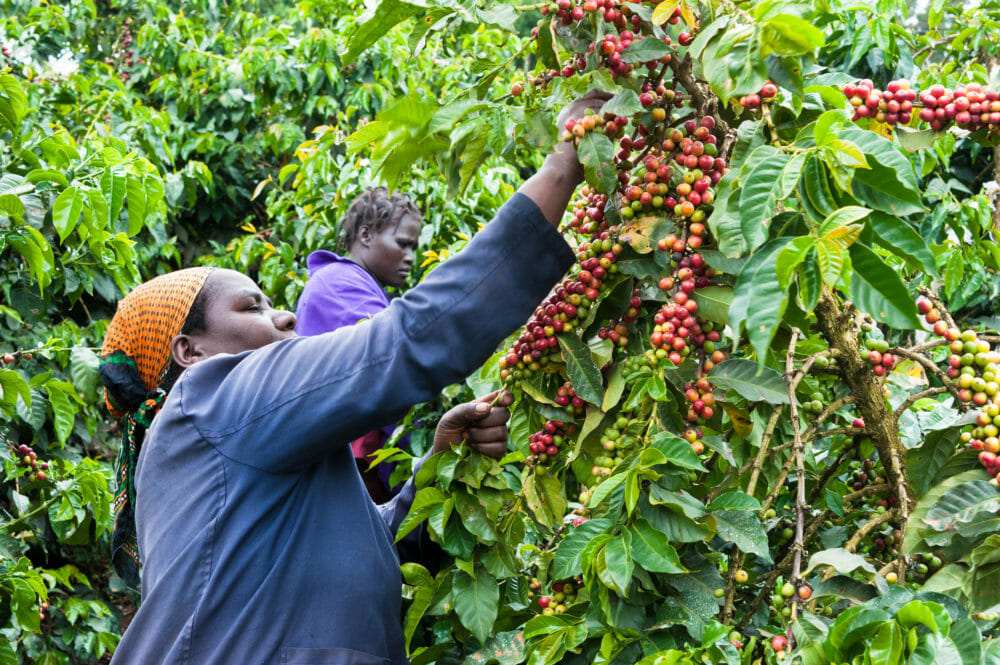
This morning we received a new batch of Honduran coffee from the Marcala region.

When we talk about high-quality coffee in Honduras, we're talking about Marcala coffee, which boasts agroecological characteristics and a special cup flavor that are unmatched anywhere in the world. The prestige of Marcala coffee is based on a rich tradition of quality, grounded in naturally favorable conditions and the disciplined human factor in production and processing practiced in the region since ancient times.

This coffee is a blend of varieties produced in Santa Cruz in Marcala, the farm is known as FINCA LA ROSA, and belongs to producer Catalina Rodríguez, a strong and hardworking 84-year-old woman.

It belongs to producer Catalina Rodriguez, who began to be interested in the fascinating world of coffee as a child and, even at 84 years old, continues to offer us these coffees grown on her own farm, "Finca La Rosa."

In 2001, Catalina was also a pioneer in founding the cooperative to which she belongs in Honduras. With this help, they strive to innovate and seek the highest quality to produce their specialty coffees, which are complex, fragrant with lively acidity, a smooth body, and delicious fruity flavors with a floral aftertaste.

La Rosa Farm, Honduras Catalina Rodriguez

The batch we selected to sell in our store captivated us from the first moment. Upon tasting it, we noticed the complexity of this coffee, with floral aromas and fruity notes. It has a sweet taste in the mouth and a very good body. We'll have this farm coffee available in stores starting next week. We hope you enjoy it.
Posted on

GALIBIER, Blend

Galibier Blend

Like every July, the season has already begun Tour and, like every summer, we now have available the blend most special of the year.

Cycling creates its myths with endless pain and effort. With improbable situations, with exceptions. With sweat, with stifling heat, and with snow. With the riders' struggle against their rivals and against themselves.

Last season we chose the protagonists of the Tour from 1984, which was decided by just eight seconds, to represent the delicate balance between three excellent coffees. All three from Kenya.

This year, we needed an even bigger icon.

Bigger than Lemond, that Fignon and? HinaultYes. We needed to find something bigger than any great champion in the history of cycling.

The icon of the blend most special of the year, the icon of Tour 2017, and one of the most important in the history of cycling:

GALIBIER

This mountain has witnessed and judged great battles for more than a century. Bahamontes and Anquetil, Coppi and Bartali against France and the world, Ocaña and Merckx, Van Impe, Zoetemelk, Indurain, Rominger…All the greats have had to measure the slopes of this myth with a certain prudence.

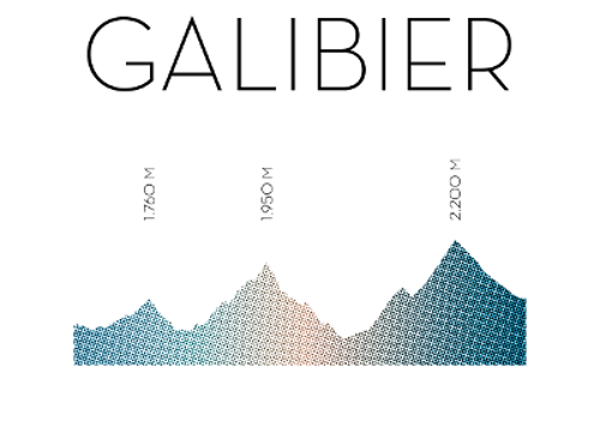
To live up to this Cabbage (2,645 m.), we have introduced our favorite coffees of this season in a blend which aims to be a step beyond its origins. More acidity. More flowers. More fruit. More pleasure.

El Rodeo (Colombia, Huila. 1,760 m.), Oromia Limu (Ethiopia, 1,400/2,200 m.) and Kimathi (Kenya, Kiambu. 1,950 m.).

GALIBIER, Blend Galibier Blend

Posted on

KIMATHI

KIMATHI

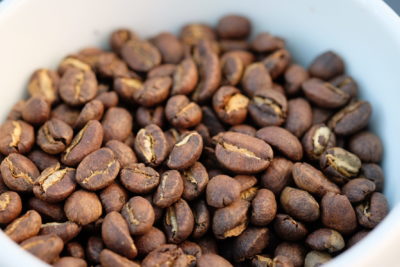
By the end of the week, we'll have "Kimathi," the Kenyan coffee we've chosen for this summer, in our shop.

We leave you with all the information we have about this delicious coffee.

Origin: Central Kenya
Region: Kiambu
Cooperative: Gititu FCS
Washing is: Kimathi Factory
Cultivars: SL28, SL34 & Ruiru11 (<5%)
Altitude: 1800 – 1950 meters above sea level
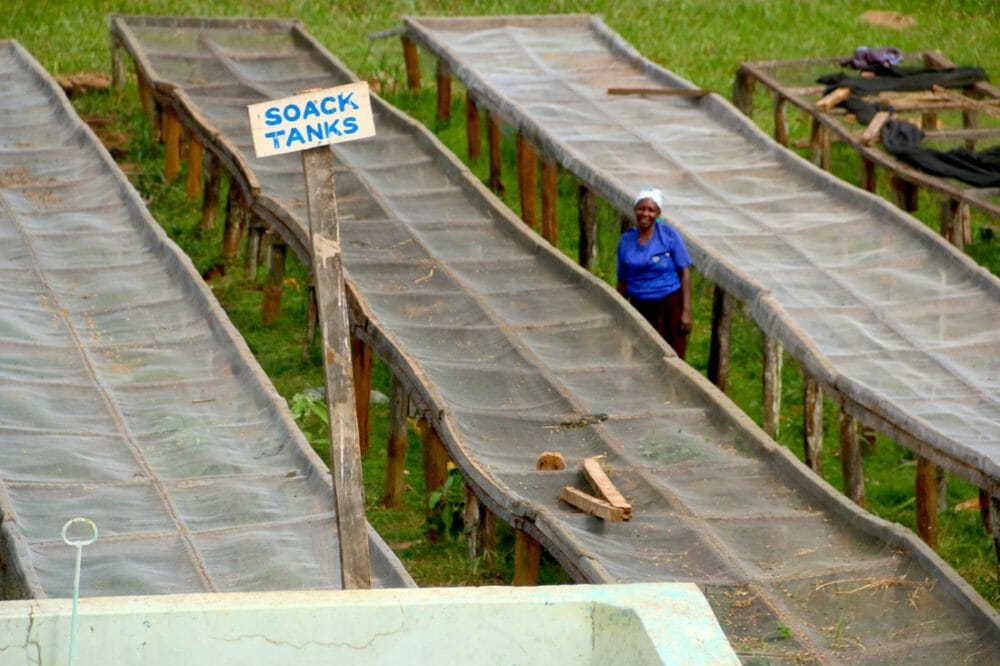
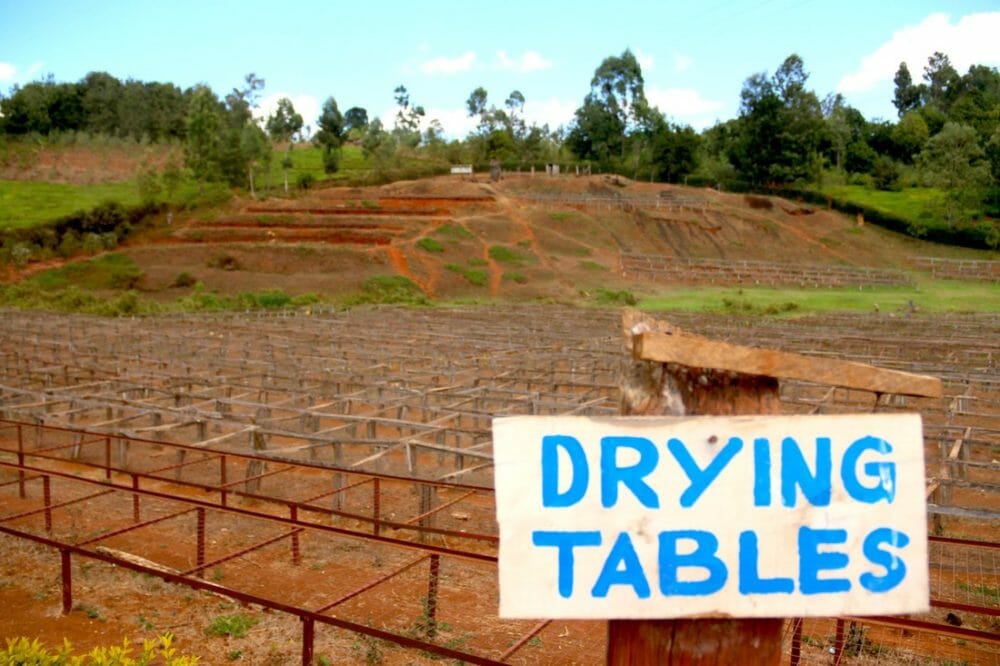
Process: Full washing with double fermentation and sun drying on African beds
Notes: Plum, melon, honey, cassis


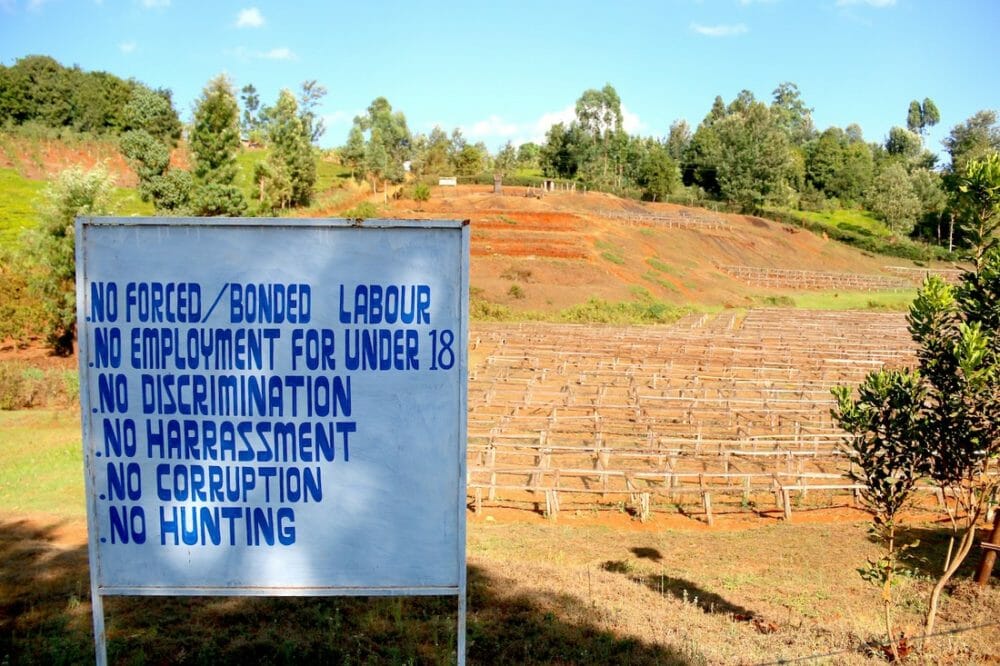
Kimathi Factory is located in Kenya's Central Highlands, just 30 km north of Nairobi in Kiambu District. It is a member of the Gititu Farmers' Cooperative Society.

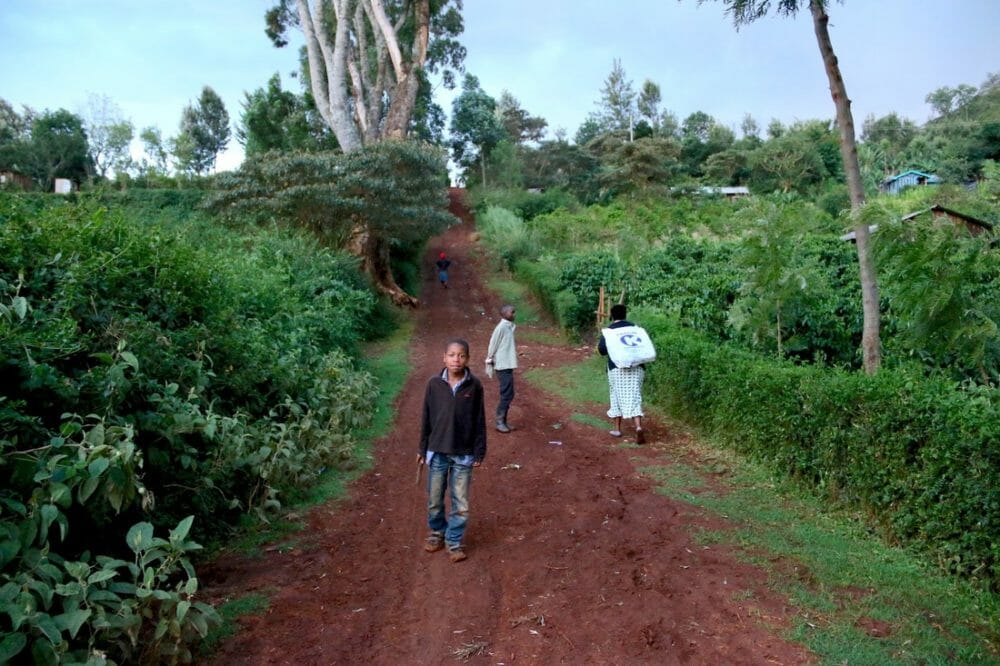
The Kimathi farmers belong to the Kikuyu tribe, probably the largest in Kenya. The Coop has 5,171 active members, and the Coop's other washing stations are: Gititu, Karweti, Ikunu Kiaria, Mutuya, Ngochi, and Ngemwa.

The area enjoys a cool climate with temperatures ranging from 12 to 19°C. The average annual rainfall is 1,000 mm. The cold climate and volcanic soil make the area conducive to coffee cultivation, with very good yields. June and July are the coolest months, while the hottest months are January-March and September-October.

Kiambu alone accounts for over 301% of Kenya's total coffee production. There are approximately 51,000 active producers in 22 cooperatives. The altitude of Kiambu's cultivated areas is the second highest in the country after Nyeri, ranging from 1,520 to 2,200 meters above sea level.

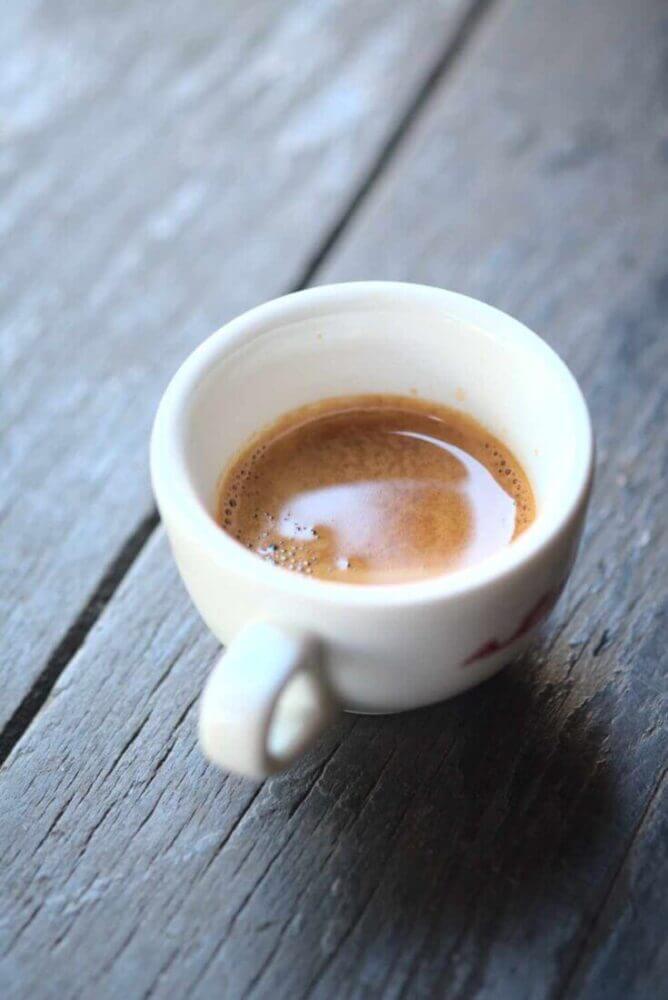
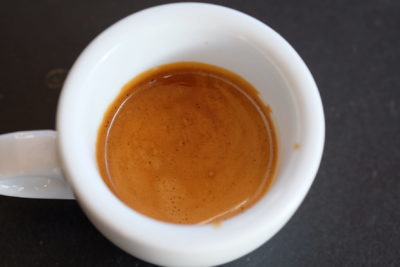
Espresso result!!

Posted on - 1 Comment

ETHIOPIA, OROMIA-GUJI

This year we are very pleased with the quality of the Ethiopian coffees we are purchasing, especially the Guji coffee, which originates from the Oromia region.

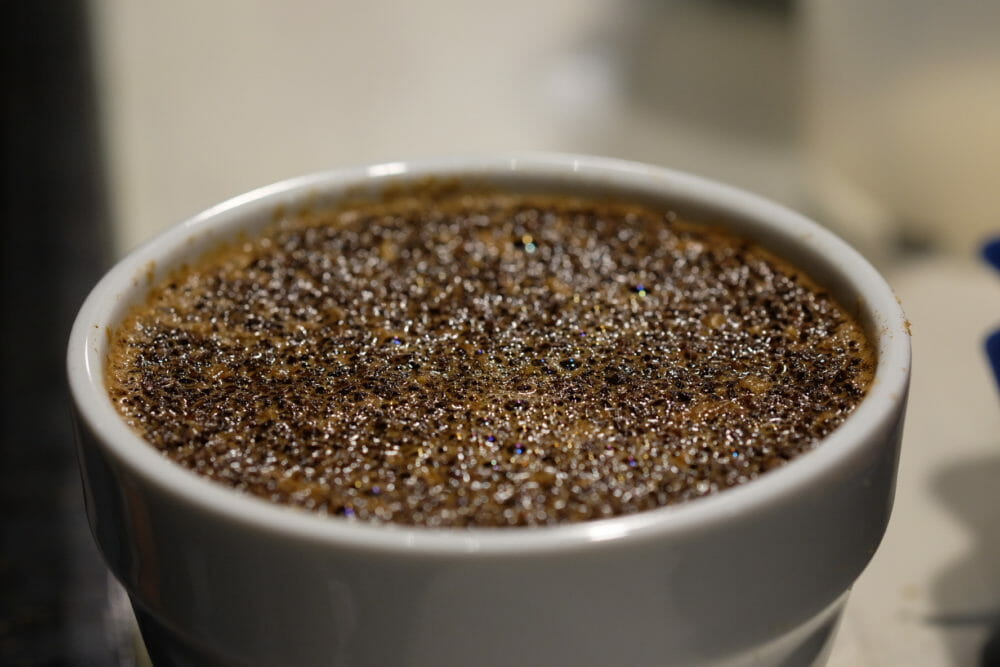
Its aroma is sweet and citrusy, with floral notes of caramel and bergamot. Its complexity on the nose is clear and distinctive, with hints of vanilla and citrus when the crust is broken. On the palate, you'll find notes of papaya and grapes, as well as excellent acidity and body.

If you're a coffee lover looking for a unique experience, we invite you to try the delicious Guji coffee from Oromia. We guarantee you won't be disappointed.

Here we leave you information about "Oromia-Guji"

ETHIOPIA GUJI OROMIA

Harvest: 2016/17

Process: washing

Altitude: 1400-2100 meters

Varietal: Ethiopian native

Tasting result: 89.75.

Guji
Guji

Guji
Guji

Now it has its own designation and must be printed on the bags to be sold as Guji. It's a very beautiful and almost remote area known for the location of almost all of Ethiopia's gold, unfortunately, which causes local tensions between miners and farmers. It's purely Forest Coffee, meaning the coffee grows wild in the forest and remains intact over time. Although there's no organic certification for this coffee, we could call it organic, just like any other Ethiopian coffee, and there's not much to justify it beyond the simple story of a poor country. Traceability remains a challenge in understanding the origins of the coffee due to its marketing through the ECX organization.

It is a coffee that retains the generic characteristics of Ethiopian coffees, resulting in a complex cup profile where notes of citrus and caramel stand out.

Guji
Espresso

Posted on - Leave a comment

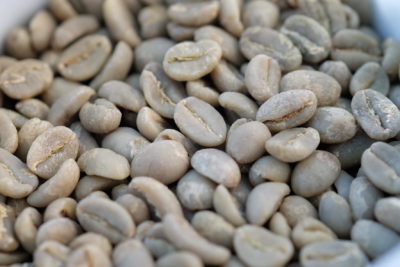
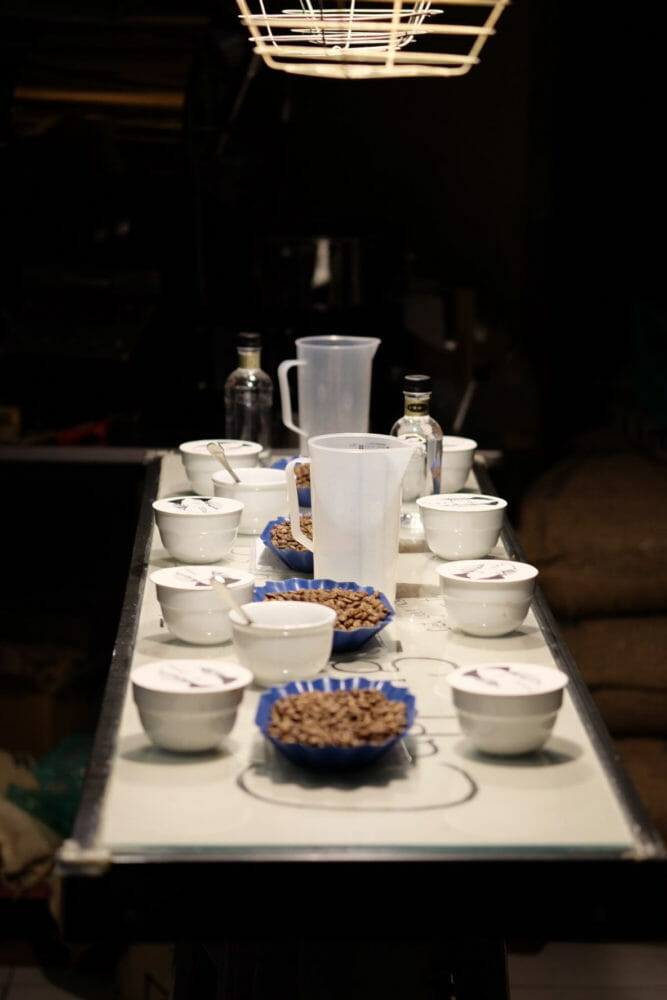
Tasting samples from Kenya

We're eager to offer excellent coffee from this origin, and we've finally received four very high-quality samples.

Kenya It is considered by many specialty consumers as one of the best originsThere are many factors that contribute to its unique character in the cup: the deep red volcanic soil, innovative processing methods, temperate climate, and seasonal rains create an acidic structure, clarity, and cleanliness, resulting in excellent coffees.

Tasting samples from Kenya

However, weather conditions in East Africa are becoming increasingly unpredictable, and the impact of global warming is becoming evident. The 2016/17 harvest in Kenya was affected by a greatly reduced second rainy season in November. The November rains provide water for the plants and allow the cherries to swell and ripen. In 2016, these rains were 40% less than average, causing a general lack of ripening. As a result, the cherries on the tree failed to ripen and shriveled from green to black before falling to the ground. In 2017, this resulted in a 30-40% reduction in the country's total production. Unsurprisingly, due to the resulting coffee shortage, prices are up to 30% higher than those of the 2015/16 harvest, and the average quality also appears to be lower than in previous years, so premium specialty lots are scarce.

Tasting samples from Kenya

Around 70% of Kenya's coffee is produced by smallholders, representing the country's most important coffee industry. Despite its proximity to Ethiopia, the birthplace of coffee, coffee cultivation in Kenya did not begin until the late 19th century.

Tasting samples from Kenya

There are two varieties in particular that attract the majority interest of the specialty coffee industry in Kenya, these are SL28 and SL34.

In the end, we really liked two coffees, but especially one with a good fragrance, fruity, with notes of plum, melon, honey, and cassis.

We'll take care of the necessary paperwork and give you all the details about this coffee when we start roasting.

Posted on - Leave a comment

San Agustín in Pontevedra, SCAE 2017

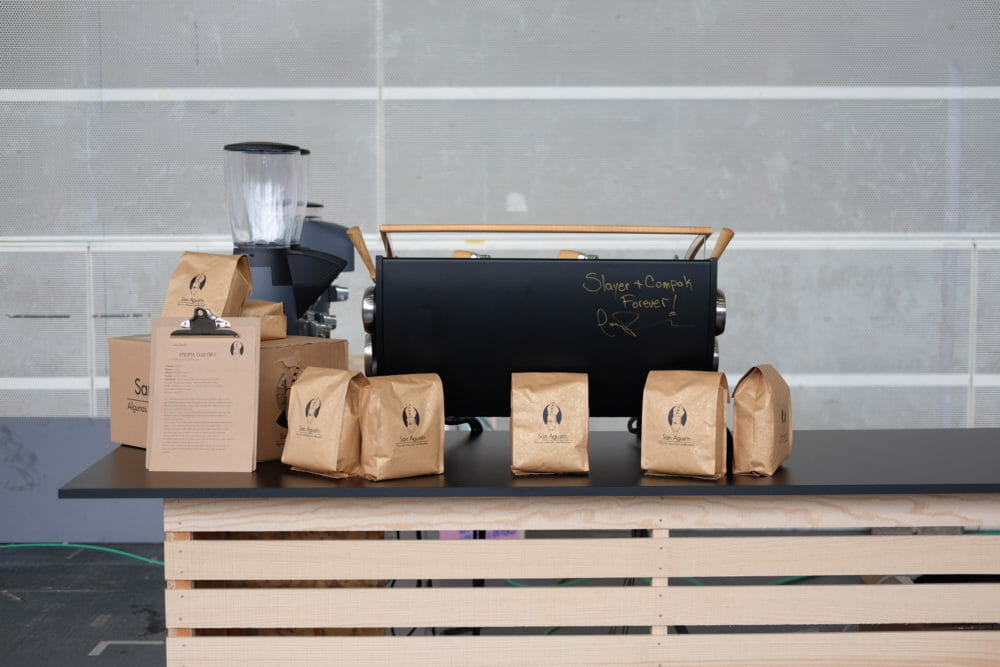
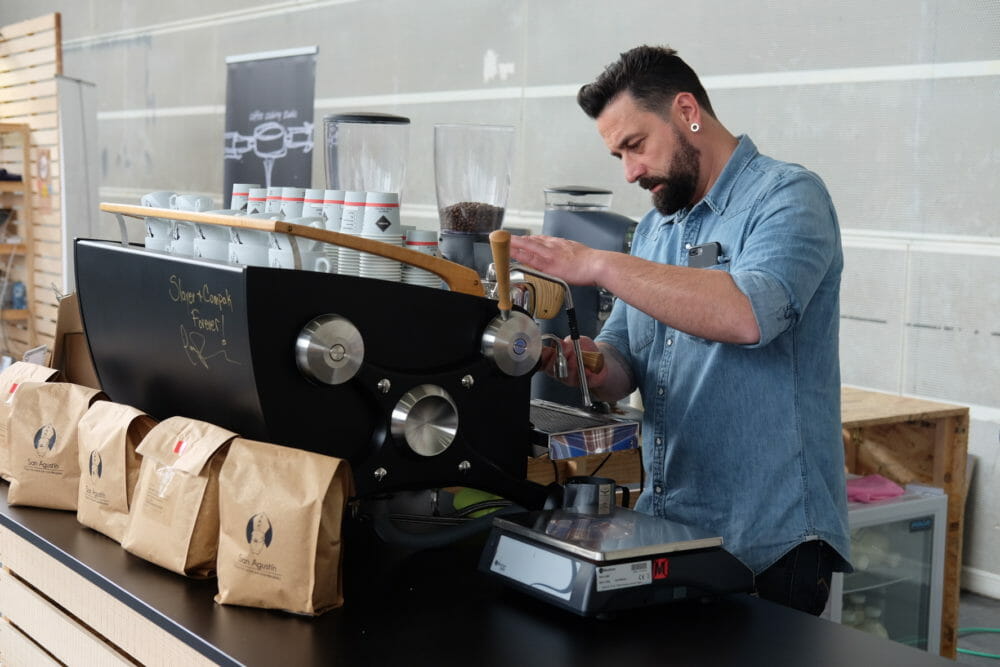
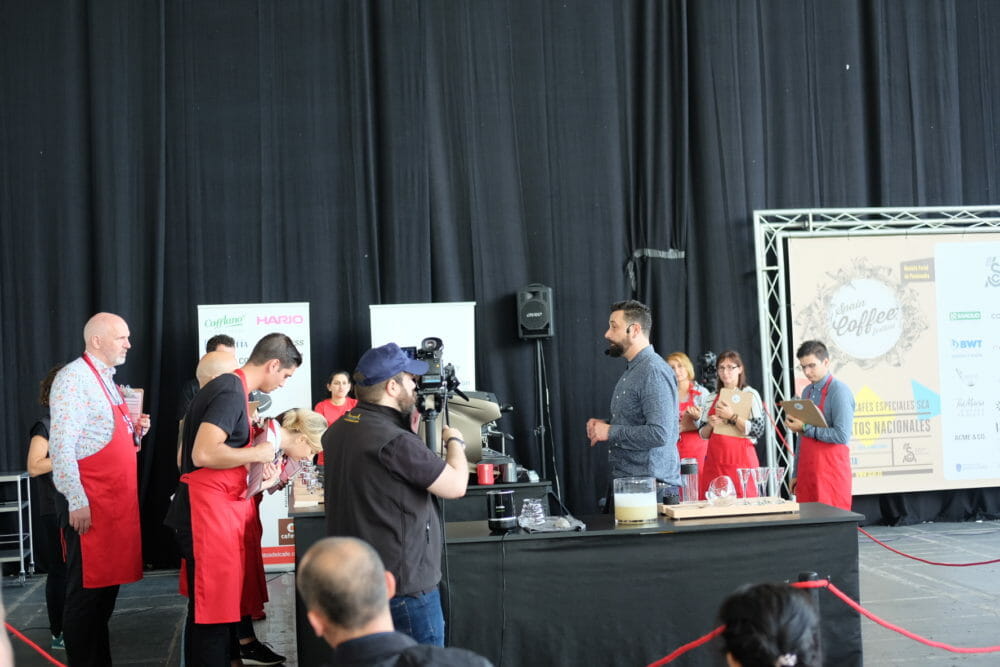
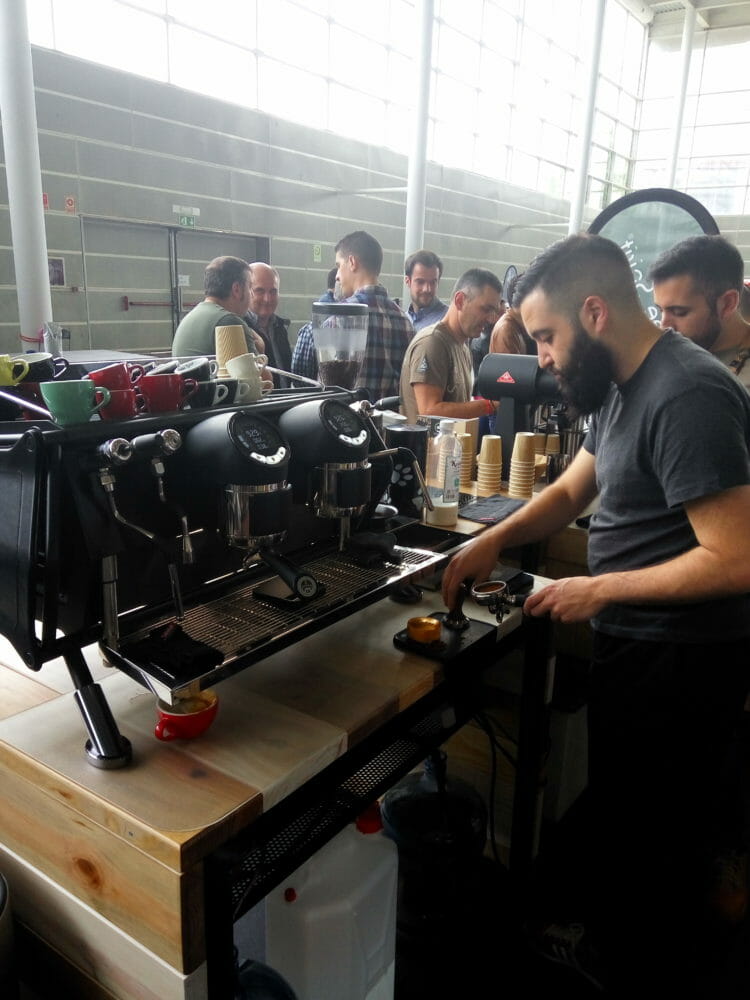
A few days ago we were at the National Championship SCAE, which was held this year in Pontevedra. We are very grateful to the organizers, who provided us with a space with a Slayer coffee maker and Compak grinders.


San Agustín in Pontevedra SCAE 2017


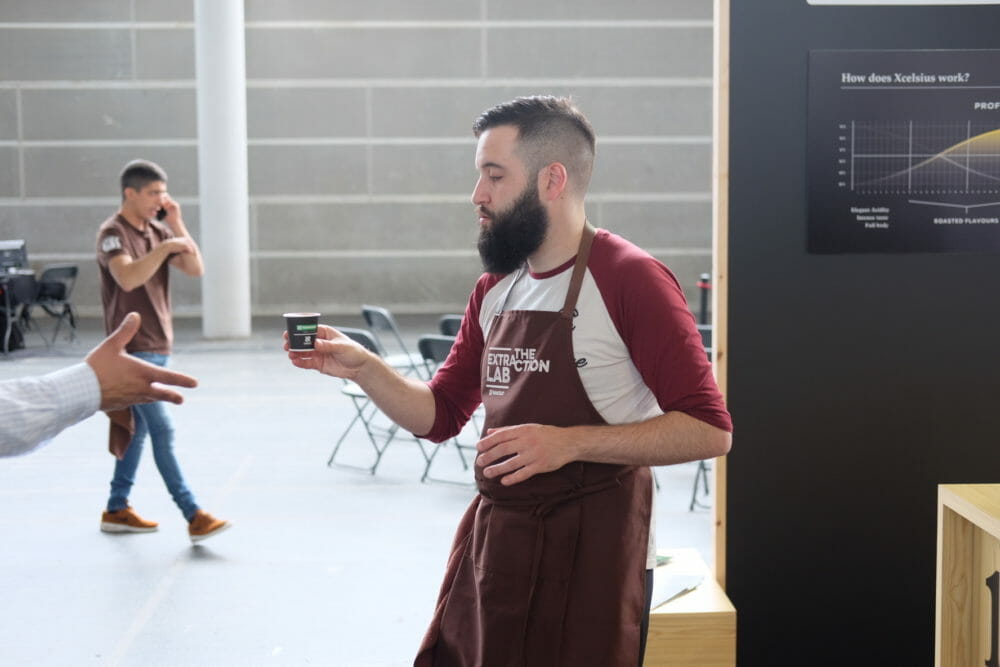
For this event, we brought two very popular coffees: "El Rodeo": a micro-lot from Colombia. "Guji Oromía": a washed Ethiopian.


We mainly went to support Rubén Blanco, who was competing in the competition. baristaRubén competed with "Cual Bicicleta" (a delicious Honduran coffee, which you can buy here in our store).

Ruben is the owner and barista at Cotton Coffee Lab, –Victor Gallego Avenue, 10, 49009 Zamora-.


San Agustín in Pontevedra SCAE 2017
Ruben Blanco.


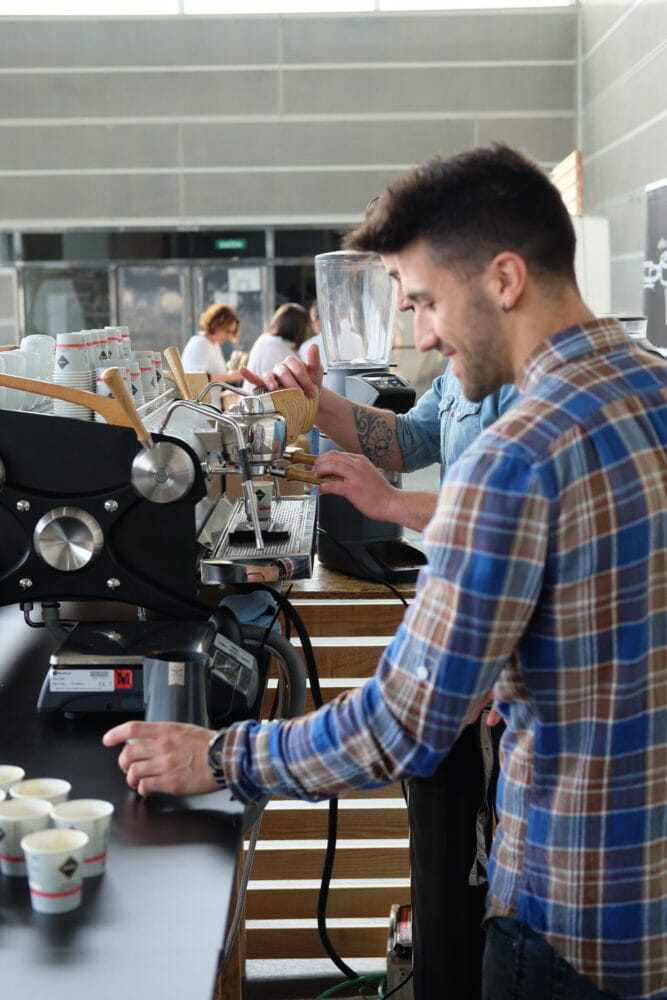
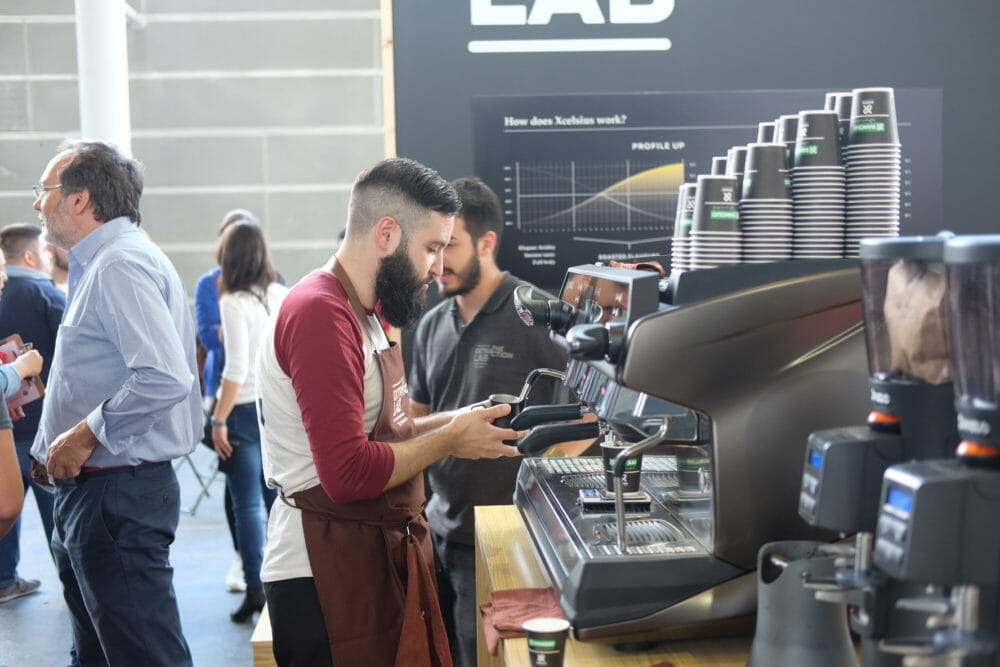
Oscar Alonso, barista In -Canalla Social Club, Zamora-, he was helping Rubén in his competition barista, and having fun with the “Slayer” at the espresso bar.


San Agustín in Pontevedra SCAE 2017
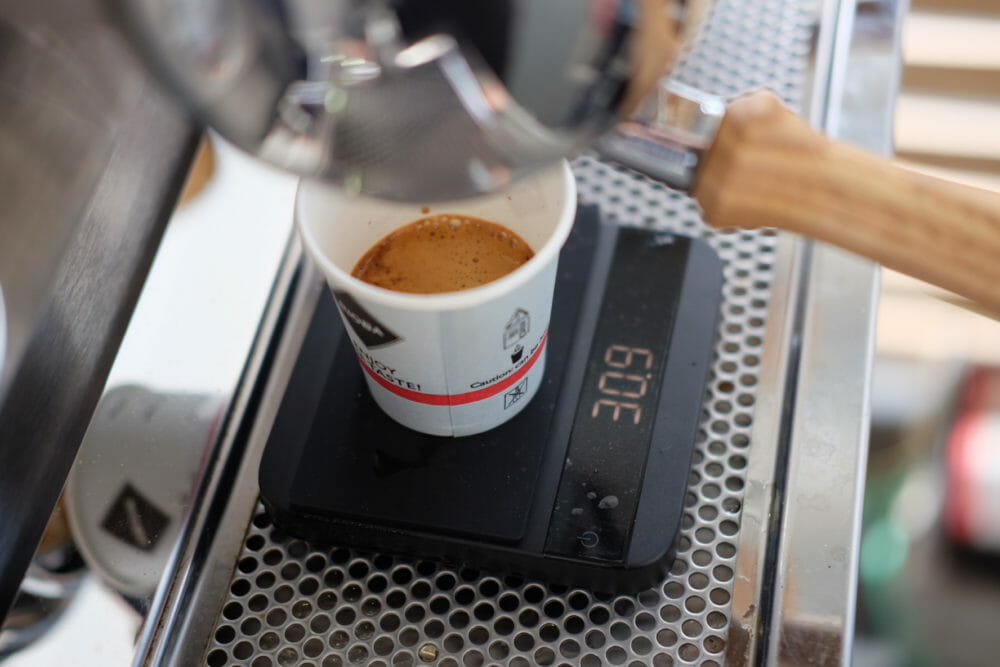
Franceso Cantarone from Slayer explained how this coffee maker works. We worked with a double shot, fine grind, dosing at 19g, naked portafilter, 10-second pre-infusions (minimum) and extractions of about 30 seconds. You start by turning the handle halfway (at this point, you'll hear a click powered by an electromagnet). The pre-infusions continue until then—they are long, some lasting 20 seconds or more. This depends on the water flow, which can be regulated and determines the pre-infusion time. The pump pressure was set at 9 bars, and the group temperature was 96º. The resulting coffees in the cup were full-bodied, potent, and complex. The experience was interesting, but keep in mind that all of this is variable, and consequently, many profiles can be achieved with a single coffee. It takes more time to get used to all these parameters and find balanced profiles.


Rubén Blanco competing.


We also had the help of Jesús Colino, owner of Café Paraíso in Oviedo.

Jesus, my great friend, who loves making espressos (he's a scholar on the subject) will surprise you with the good vibes he conveys. He's also the creator and advisor on much of the image and design of "San Agustín."


He was making coffees at the Rancilio stand, and testing the coffee maker.Class 11″, with which the competition was held barista. Rancilio's team was interested in receiving feedback from espresso professionals like Jesus.


Jesús on Friday morning at the Rancilio stand, offering attendees our new Colombian coffee "El Rodeo."


On the right, a server next to Borja, from IBERITAL.

Posted on - Leave a comment

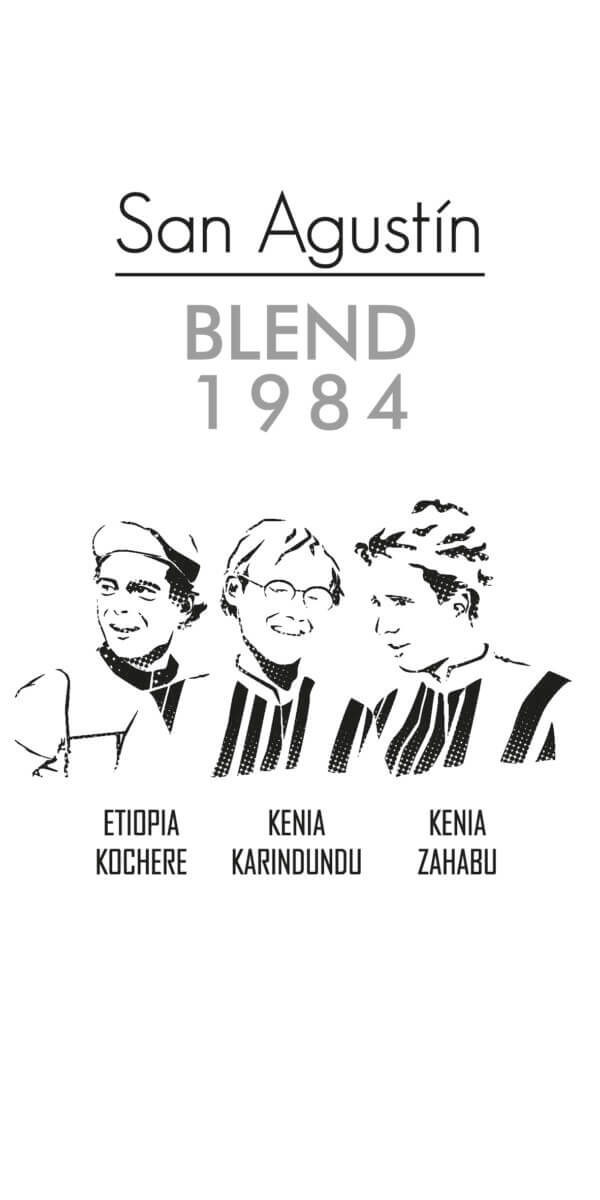
Blend 1984

Mix 1984

Delicious Blend

Cycling has an incredible ability to transform sporting achievements into universal stories, and the 1984 Tour de France is one of the undisputed milestones in cycling history.

The rivalry only grew between Bernard Hinault and Laurent Fignon, former teammates and symbols, both of tradition and modernity—just as Bartali and Coppi had been before them—and on the slopes of Alpe d'Huez, Fignon imposed a generational authority. And, as if that weren't enough, a young Greg Lemond—already wearing the rainbow jersey of world champion—would finish the Tour in third place in the general classification.

Hinault, Fignon, and Lemond are three undisputed heroes who, between 1983 and 1989, developed rivalries steeped in symbolism and epic feats. Three figures who went on to write many of the stories that transformed classic cycling into modern cycling. This rivalry has been reflected in our warehouse since the three coffees that make up this blend arrived: we can't decide which we like best. And to avoid having to decide, we decided to bring them together on the road and let them tell us stories.
The combination of Karindundu, Zahabu and Kochere produces an intense, sweet and complex coffee.

The dry, city-roasted fragrance has citrus notes and hints of tropical fruits, layered with chocolate notes. The wet aroma is downright delicious: notes of peach and apricot baked with brown sugar, spices, and floral touches—especially jasmine. Designed for filter brewing, this blend offers a bright opening of candied orange peel, giving way to sweeter layers and a long, dense finish with notes of honeyed dark chocolate.

This delicious Blend is now available in the store. What are you waiting to try it?

Posted on - 1 Comment

Sidamo Q

Congratulations Quality Q

We now have Sidamo Q, ready to roast.

Because it grows in the country where coffee originates, because, they claim, its genetic legacy has remained intact over the centuries, and also because Ethiopia is a producer of mostly organic coffee (95% of total production is Garden Coffee and Forest Coffee, and only the remaining 5% is produced on plantations), Ethiopian coffee is simply unique and natural. Currently, Ethiopian coffee beans are grouped according to their geographical origin and classified from grade 1 to 9 based on their quality. Furthermore, all coffees are divided into four main groups: Commercial Washed, Commercial Natural, Special Washed, and Special Natural. The differences between producing areas are evident throughout Ethiopia, but they are even more pronounced if we delve into each region. Sidamo, for example, is a clear example of this. This is a vast region, and each of its microregions produces coffee with unique characteristics that, while similar in profile, are distinct in the cup. All coffees from south-central Ethiopia can be considered to be of the Sidamo variety. The Sidamo coffee region lies in the Rift Valley that runs through Ethiopia and Kenya. The landscape is lush and green. The best Sidamo coffees are typically complex.

You can also buy your small doses of this Ethiopia in our online store, you can't miss it and finallyHere we leave a brief description of this coffee.

Sidamo Q

Process: washing
Varietal: heirloom
Altitude: 1600m
Tasting: flowers, zingy, acidity pronounced, sweet, citrus, medium body
Punctuation: 86

“Sidamo de calidad Q” is a clean, hand-prepared grade 1, so Q represents a high-quality grade. A grade 1 typically allows up to three secondary defects equivalents in a 300-gram sample of green beans. Once ground, the coffee is inspected by the quality team at the harvest tables, looking for any defects that may have developed during the dry ground sorting process. This helps make Sidamo's profile in the cup even cleaner and more vibrant.

Posted on - Leave a comment

New Ethiopian Coffees

New coffees from Ethiopia

We're eager to receive new coffees from Ethiopia and some very tasty micro-lots that we've also been cupping these days.

Ethiopia is the cradle of coffeeIt is in the forests of the Kaffa region where the Arabica coffee plant was found growing wild. To this day, the bean plays a central role in the country's economy and culture. Coffee is drunk regularly and traditionally ceremonially, throughout its entire life cycle.

Ethiopia is a coffee of complex origins. Ethiopian coffees can vary greatly from region to region and even from batch to batch. The wet or dry process dramatically determines the taste of the coffee, and Ethiopia uses both, traditionally in different areas. And eThe best dry-processed coffee comes from the region of Harar. It tends to be medium-bodied and bright acidity with fruity, harsh, or earthy tones.

The wet method, also used in Central America and the like, results in a cleaner cup profile with a less rustic flavor. Ethiopia's finest washed coffee is grown in the Yirgacheffe and Sidamo (where the dry method is also used), in the south of the country near Kenya. Also notable are some coffees from Limu, and DjimahThe result of these coffees is a light yet explosive body, with floral and citrus notes.

We will keep you updated.