Posted on

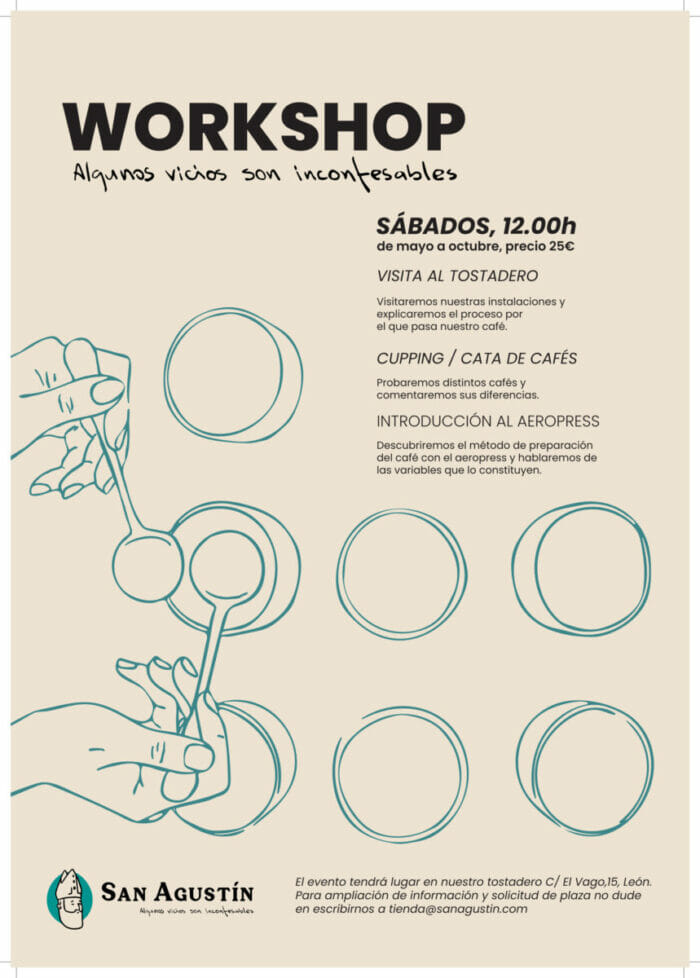
WORKSHOP

"Groups of up to 5 people"

“You can now reserve your spot”

Every Saturday at 12:00 p.m. Price: €25

-VISIT TO THE ROASTIER
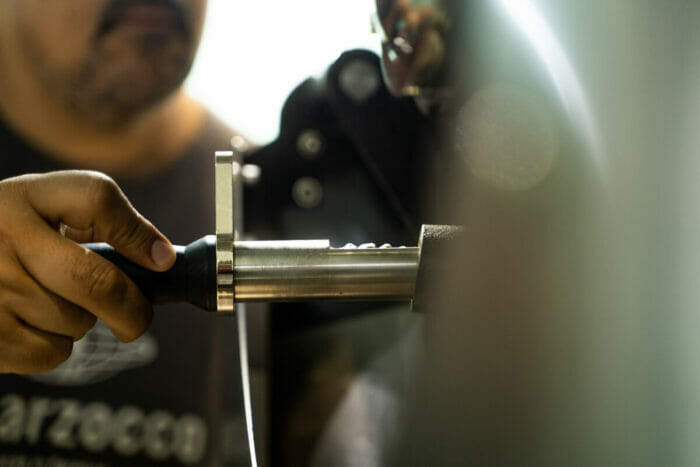
We will visit our facilities and explain the process our coffee goes through.

CUPPING / COFFEE TASTING
We will taste different coffees and discuss their differences.

-INTRODUCTION TO AEROPRESS
We will discover the method of preparing coffee with the Aeropress and we will talk about the variables that constitute it.

The event will take place at our roastery at C/ El Vago 15, in Villaobispo de las Regueras, León.

To reserve write to [email protected]

Posted on

Erwan & Sarah visited St. Augustine

Herwan and Sarah are two photographers originally from France who create audiovisual content. They are nature lovers and passionate about capturing the feeling of adventure.

It had been two years since their last visit and the truth is that it always brings us great joy to see them.

Here's a short video they gave us.

Posted on

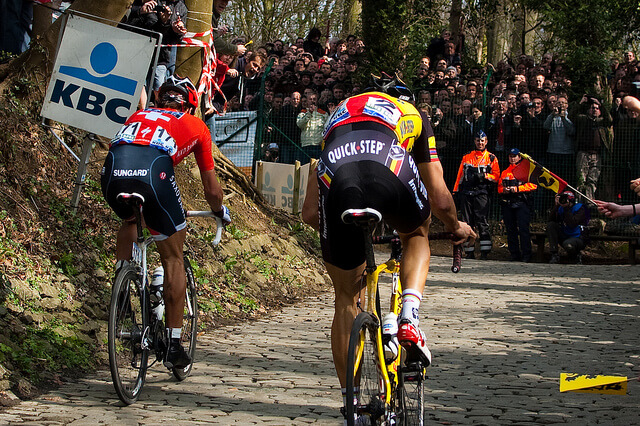
Muur 2010

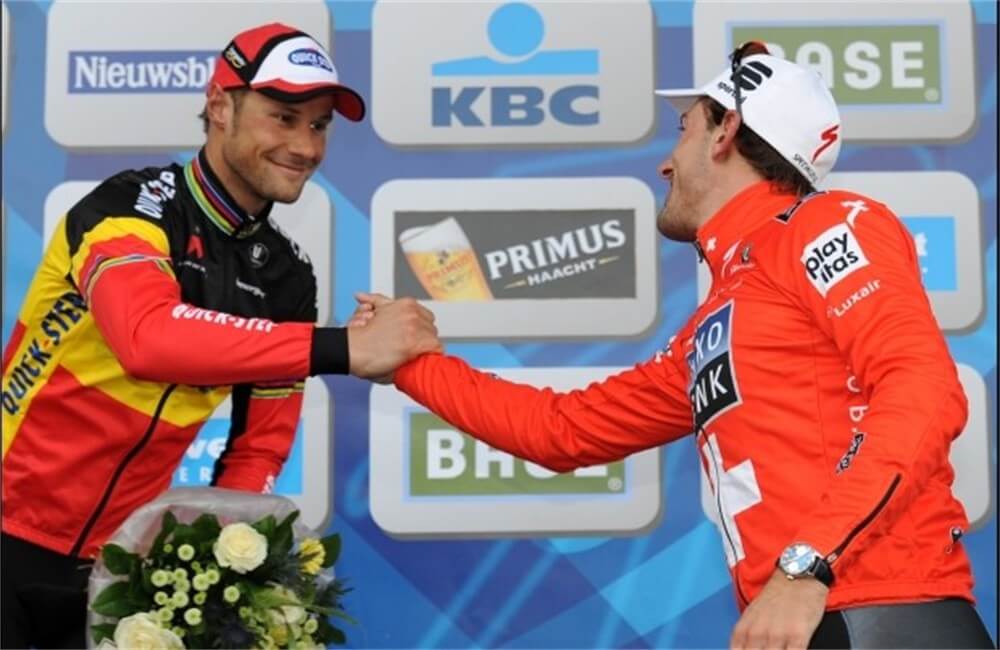
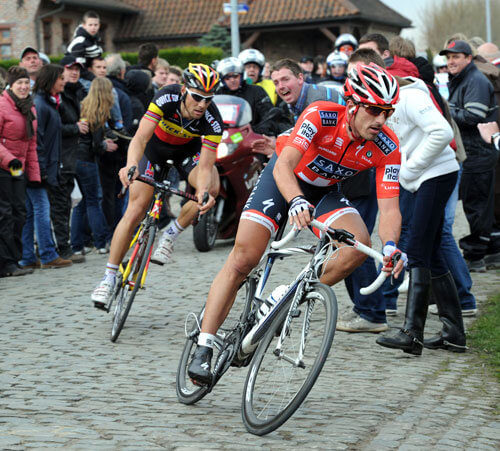
“Head to head, forty-four from the finish. The Swiss and the Belgian.”

I heard from the kitchen while preparing a paella with my friend Juan on Sunday, April 4, 2010. I still had no idea about specialty coffee. Nor did I know that eleven years later, that moment would still be so vivid in my memory.

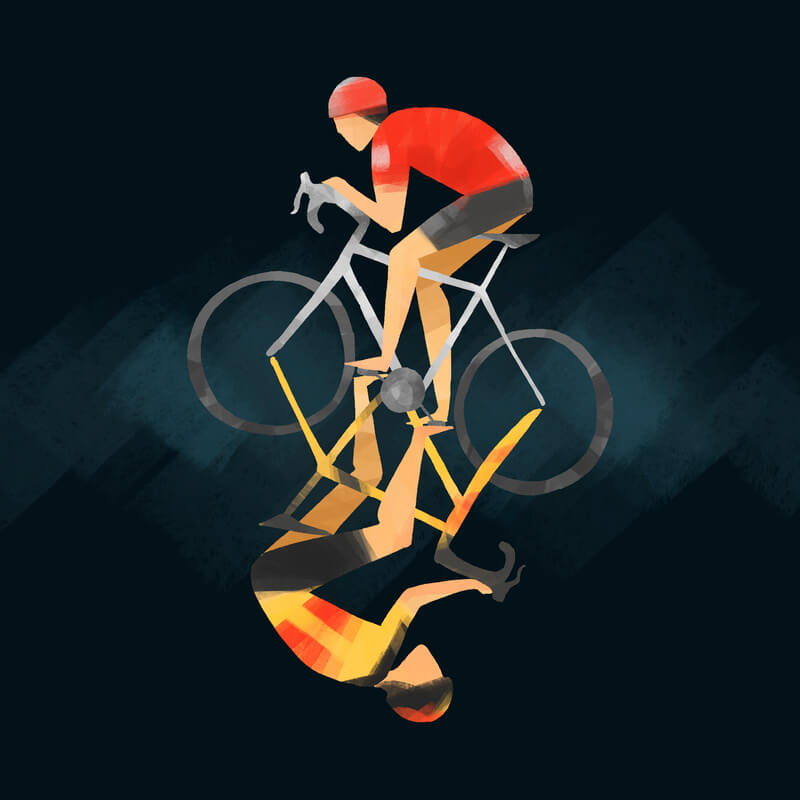
To quote a classic saying, "A milestone is an event that significantly marks the future of events." And Boonen and Cancellara on the Kapelmuur are a milestone. Not just in cycling.

Talent and physique. The human and the divine. Those two cyclists could have been Coppi and Bartali, or Merckx and De Vlaeminck, Hector and Achilles, or Lennon and McCartney. The Swiss, a focused athlete. The Belgian, not so much. A man and a god (you choose which is which). Two legends who were both the best of their generation, despite coinciding in time.

Cycling isn't just a sport. It's a constant reminder of all that is human. Time, life, or coffee would slip through our fingers if it weren't for these shining moments. Milestones remind us not only of great things, but also show us a path: excellence, beauty. The divine.

In some parts of the world, growing coffee has been a responsibility to the landscape long before the conversation about sustainability began. In El Líbano, Tolima (Colombia), it is. This is a region that, since the beginning of the 20th century, has been characterized by free and anti-clerical thinking. Revolutionary. In 1929, the coffee growers themselves—the Bolsheviks of Lebanon—began a movement to regain control of their crops, opposing the national plan imposed from Bogotá. The coup lasted only two days. The survivors retreated to the most inhospitable areas and were used as cheap labor.

Almost a century later, the grandchildren of these Antioquian intellectuals are managing the coffee farms in the Tolima region. Omar Arango He gave up his career as a systems engineer to return to the land abandoned by his grandparents with two ideas in mind: excellence and sustainability. Twenty-five years later, the coffee grown on the farm Saint Louis is one of the most awarded in Colombia.

This gesha (a variety imported from Panama) is one of those coffees. One that helps a producer and a roaster grow. It's the coffee you'd like to serve in your coffee shop, and it's certainly one of those coffees that reminds you why you love coffee so much.

The process, called red honey, involves anaerobic fermentation of the best cherries at their optimum point of ripeness for thirty-six hours in GainPro bags, which are then dried on African beds.

The result is a very clean, sweet, and silky coffee. Delicate. Floral, with notes of jasmine and fruit, with lychee predominating.

Spartacus and Tommeke entered the Muur together, a myth, and emerged separately, like two legends. In a few years, we'll remember this exquisite coffee, just as we remember that tense moment on the Grammont Wall. With a knot in our stomachs. And nostalgia.

Posted on

Mingus Big Band, Nostalgia in Times Square 1993.

When we think of a café with jazz music playing, we all imagine the same thing: a playlist reminiscent of other elevator rides or, if we're lucky, a collection of undisputed (and almost forbidden?) classics: predictable.

For six years, in addition to being responsible for offering the best possible coffee at Café Paraíso in Oviedo (DEP), it was my obligation to offer a commensurate musical selection.

In this temple of coffee and cycling, a lot of different music played. I'd say there was even a fair amount of jazz. I committed all the sins mentioned earlier: Soultrane, Getz & Gilberto, Song for my Father, Green Street…

I remember the euphoria after arriving home one night and putting on Nostalgia in Times Square for the first time.

I had found that record that screamed in your face: YOU NEED MORE CAFFEINE.

This big band makes the ground shake, and you can only find your balance in a cup, or clutching a portafilter. It's not music that lulls you to sleep and offers you answers: it brings on a cold sweat and makes you dance, at least on the inside.

Mingus's compositions aren't typical of a jam session. They're not pieces a musician can approach on their own and find a place among strangers on stage. No. That's why the big band format is the perfect setting for ensuring the enormous dimension of these compositions doesn't escape us. This enormous performance points us from the tradition of Duke Ellington and Thelonious Monk, gospel, and Dixieland, toward the most radical and orchestrated soul/funk records of the 1970s. Toward Latin jazz. Toward the end of the world.

I recently received a call from Luis at the roaster. Apricot, orange, and strawberry. — What?

We have a new Ethiopia on the tasting table: apricot, orange, and strawberry. You're going to be amazed.

In this country, there are three main forms of coffee production: forests, gardens, and plantations. A multitude of different coffee varietals coexist in their own unique, largely untamed ecosystems. This, coupled with the extremely difficult political circumstances, makes traceability almost always impossible, reaching, in the best of cases, as far as the washing station where the coffee beans are separated and graded according to ECX (Ethiopian Commodity Exchange) criteria after harvest.

In conclusion: it is not easy to have the opportunity to taste a coffee from the forests of Ethiopia.

Kercha Forest"comes from Guji, the heart of the Oromia region. Although it isn't certified organic, this coffee can be considered "wild." The only human intervention in the entire process occurs after harvesting.

It was selected at the Temesgen washing station, and the natural processing was carried out by one of the oldest producers in the entire region: Moplaco.

Mingus died in 1979. Nostalgia in Times Square was recorded in 1993 by the Big Band promoted by his widow, to preserve his legacy.

I'm not going to play jazz critic here, but the baritone sax arrangement (Sy Johnson) during the opening bars of “Moanin' ” is all it takes to get hooked on this recording forever.

Many of the musicians who participated in this recording, led by Sue Mingus herself, have gone on to highly illustrious careers. Ronnie Cuber, Sy Johnson, Art Baron, Randy Brecker, Ryan Kisor…

Posted on

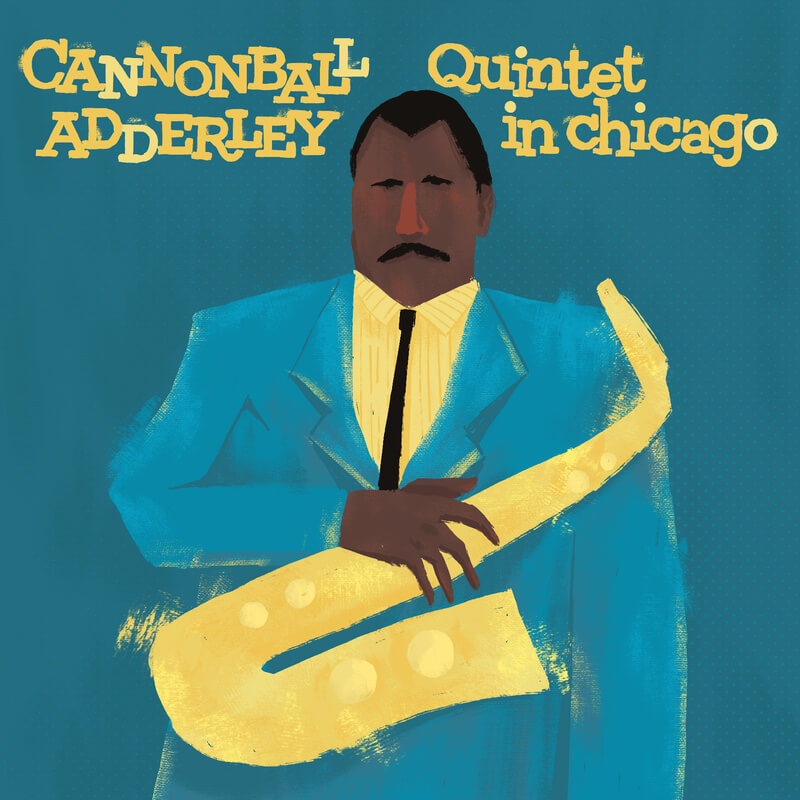
Cannonball Adderley. Quintet in Chicago 1959.

Cannonball, St. Augustine

If we're constantly working with specialty coffees, could there be anything more special for us?

The Rualdo and El Bobo Shelter It is the work of producer Mario Barquero and his family, who acquired a farm in 1948 that had no coffee production. Over the years, the family has dedicated itself to learning and researching many modern cultivation techniques geared toward sustainability.

This lot consists of coffee of the F1 Milenio variety, a hybrid resulting from a combination in the Sachimor and Sudan Rume laboratories. This type of coffee could be the future of sustainability for many coffee plantations in the region, as it produces excellent cups when grown in optimal climatic and altitude conditions and is resistant to coffee leaf rust.

The cup is elegant. The day the sample of this coffee landed in our sample roastery, the world slowed down a little. We were undoubtedly in the presence of something special. A coffee with a very pronounced malty fragrance. Fresh. And very sweet.

Meanwhile, on the old Marantz, we were accompanied by John Coltrane on tenor, Wynton Kelly on piano, Paul Chambers on double bass, Jimmy Cobb on drums, and, as a soloist, Julian Cannonball Adderley on alto sax.

If the Cannonball Quintet were a sextet, the sixth man would be Miles Davis.

Julian Cannonball Adderley is a giant saxophonist from the bebop era. He began playing with Ray Charles and his brother Nat when their parents moved them to Tallahassee, Florida, in the early 1940s. Years later, already in New York, he combined his solo work with accompanying Miles and Bill Evans in their respective bands.

This is a strange recording.

It was first released on Mercury Records in 1959, and the pressing sold out without being reissued. Cannonball didn't enjoy the commercial success it would achieve in 1966 with Mercy, Mercy, Mercy. In 1964, after Coltrane had become the superstar he is today (after Giant Steps and A Love Supreme), it was reissued under the name Cannonball & Coltrane on the Limelight label.

This session took place shortly before these five men recorded their groundbreaking Kind of Blue with Miles Davis (although Bill Evans would ultimately end up handling almost all the pianos), and Miles's influence is more than notable, not to mention his own melodic concerns. More introspective in Coltrane's case. More oriented toward the more popular sounds of Cannonball. The rhythmic base is composed by three men who were probably at the creative peak of their careers.

If several of the albums we've talked about are milestones in the history of jazz, such as Giant Steps, Kind of Blue, or A Love Supreme, in which music changed forever, this recording can be considered one of the most established and representative works of hard bop.

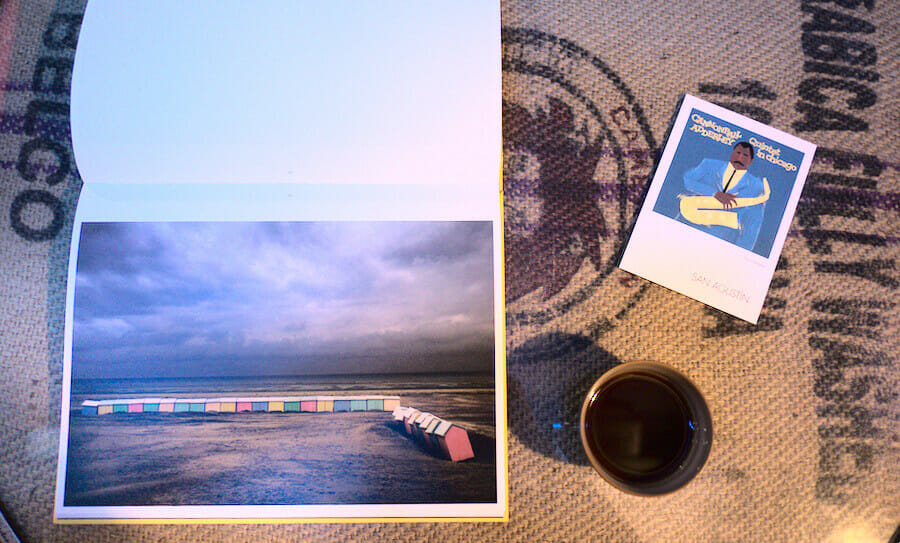
The photography book is Edges by Harry Gruyaert.
Posted on

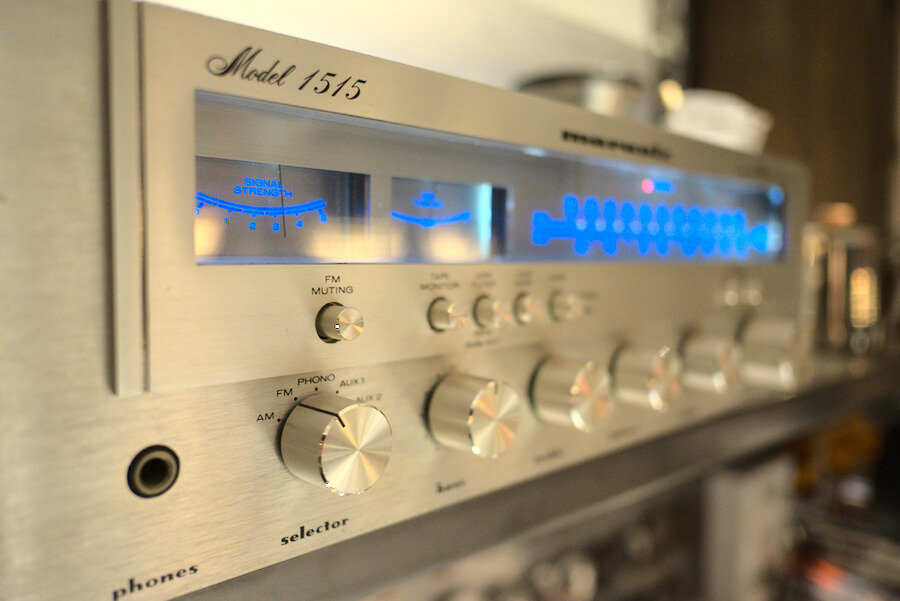
Marantz 1515

Coffee wouldn't be the world's most popular beverage if it weren't a perfect fit for almost any human activity that requires dedication, passion, and patience.

Hence, no one should be surprised by the wonderful relationship between coffee and cycling. And, if you're reading this, you probably already know that we love combining coffee and cycling, like in our "Los Cinco" blend.

Today we announce that we are going to do something different.

When we decided to start this Café San Agustín adventure a few years ago, we did so with the aim of creating much better coffees than what the market was offering, back when the specialty coffee market in Spain was still in its infancy. Today, fortunately, there are more of us roasters offering exquisite coffees.

As new toasters began to appear, we were faced with the inevitable question:

What do we have to do to be different?

And we found several solutions. At first, it seemed important to us to be able to communicate our values in Spanish. We strove to create an original image, with aesthetic references outside the world of coffee. We contributed by offering blends seasonal and micro-lots. We offer a different illustration for each of our origins. And yes, we also made a blend in honor of Miguel Induráin.

And it is at this moment that you will ask yourselves the same thing that we asked ourselves a few months ago:

Now what?

This time we want to offer you access to a fundamental part of all the processes that take place in our roaster:

The music.

It's the beginning of all our rituals. Before we turn on the lights in the morning, we turn on an early 1980s Marantz, which, more often than not, plays some of the jazz Luis Ángel likes.

Many of you have been upgrading your coffee equipment over the past few years: grinders, coffee makers, you even care about water quality!

It's time to return to our primary calling: helping you achieve (even) better coffee.

Sometimes samples of excellent coffees. Batches that often end up participating in some competition, or in the hands of some prestigious Scandinavian roaster.

Each time, we've lamented not being able to offer a product like this, because we were a little afraid these coffees would end up in our pantries, instead of your kitchens.

We believe this is the time.

If such a batch appears, we will offer a very limited quantity of these exclusive coffees, a short review of one of the albums we have always loved, along with the artist's interpretation of its cover in the form of a postcard. Daria Fedotova (@lisapalper).

We'd like to take this opportunity to recommend a special CD to go with a specialty coffee.

Let's hope they become real collectibles.

Tomorrow, the first installment of our “Phonographic Catalog”

Posted on

THE FIVE

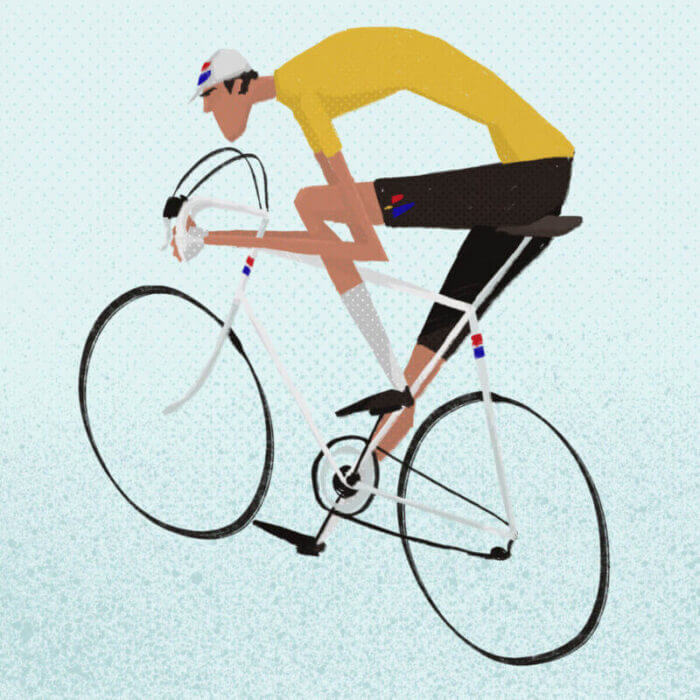
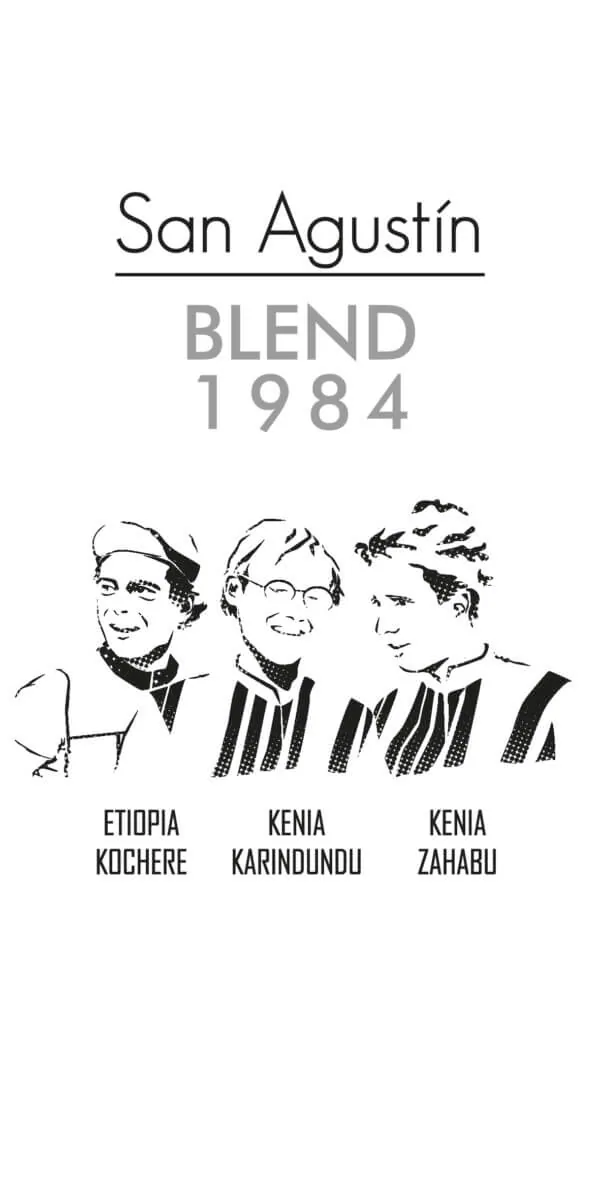
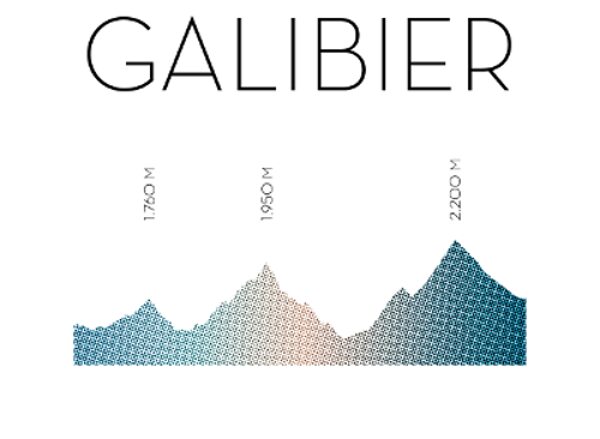
Those of you who have been following us for a while know that when July rolls around, we're deeply moved by the start of the Tour de France. We've paid tribute to some of cycling's greatest icons, such as the podium finishers of the 1984 Tour de France and the immense peak of the Galibier.


Many of you share this excitement with us. Others don't quite understand this strange fascination with a sporting event that occupies hours and hours (and hours) of television broadcasts and compels many Spaniards to practice the national sport: the siesta.

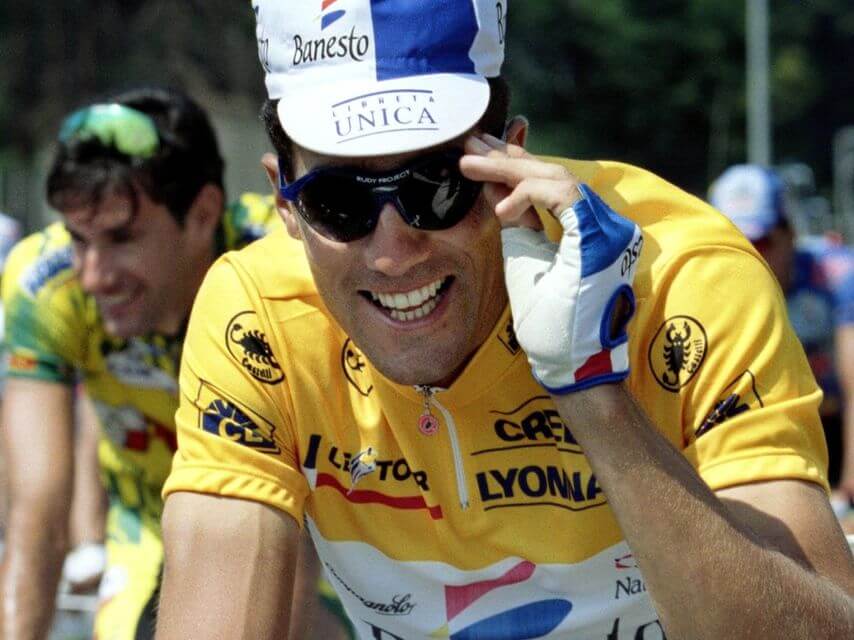
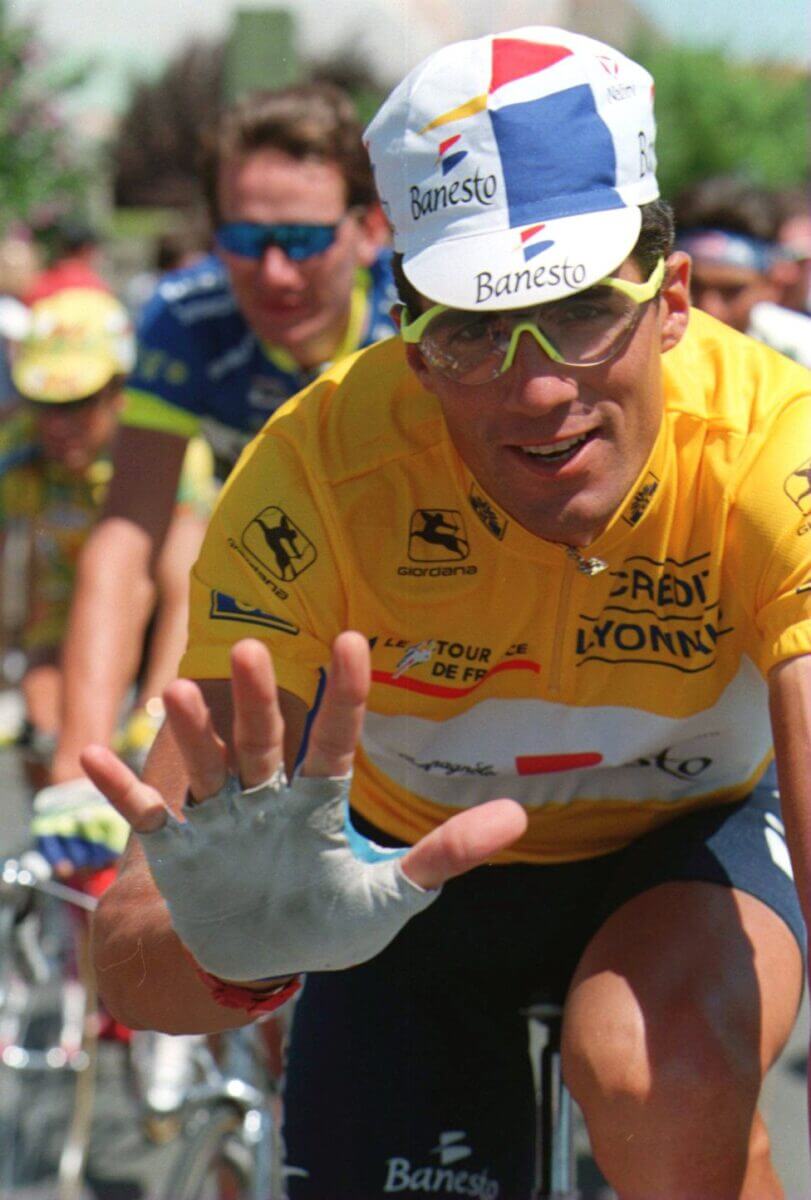
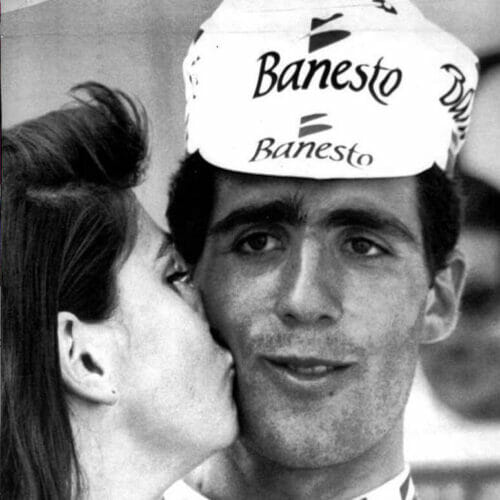
Be that as it may, you have to admit that between 1991 and 1995, the months of July were a real party thanks to one man: Miguel Induráin.


Miguelón He personally made sure that the naps were more difficult. Each nose was getting closer and closer to the TV. In homes, bars or campsites. At beach bars or at the in-laws' house. Induráin kept us on tenterhooks for 21 days. And his victories were ours.

And he won by letting his rivals win many times, making his rivals stand out: Zulle, Chiappucci, Bugno, Berzin, Ugrumov, Riis, Virenque, Pantani, Rominger, Jaskula…

Big Mig He is remembered worldwide for being a noble and generous cyclist. A strange champion, with a calm and enigmatic charisma.

In this strange 2020, it is 25 years since his last victory on the Champs-Élysées, when he managed to enter the club of “The Five” (only four cyclists have managed to win the Grande Boucle: Anquetil, Merckx, Hinault and Miguel), and we want to dedicate our blend summer season to the biggest milestone in Spanish cycling.

Our three chosen ones for “The Five”:

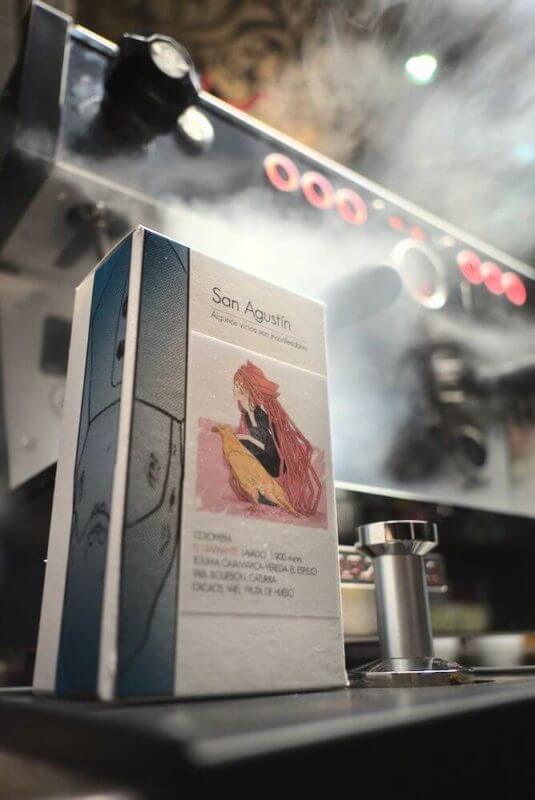
El Diamante, from the Colombian region of Tolima, is a longtime favorite. This year, we're drinking the new harvest of this coffee, which we fell in love with last year. Tabi, bourbon, and caturra, grown at 1,900 meters above sea level, add complexity to this blend.

Freedom. From the Central Valley of Costa Rica, we bring you one of our newest offerings, which will be available in the coming days. Caturra and Catuai for Central American coffee lovers: Full-bodied coffees with notes of chocolate, red fruit, and flowers, with a caramel and dulce de leche finish.

From the Santiago Chimaltenango region of Guatemala, we bring you Río Ocho. Cultivated at 1,815 meters above sea level, this plot of bourbon It is a delicate, elegant and subtle coffee. We have purchased this coffee exclusively for this blend.

With "Los Cinco," we aim to create a balanced coffee, with a base of milk chocolate and caramel. We know these cups will sometimes belong in summer and sometimes in autumn.

Posted on

Finca "El Diamante" Colombia (Again)

The highly popular micro-batch from Colombia, "El Diamante," recently ran out. As usual, we requested samples from our importer a month in advance to purchase a new batch of this highly sought-after origin. (We try to maintain this level, but it's not always an easy task.)

Shortly after, we received five samples of green coffee, each with a reference number. I set up the sample roaster, roasted for the Brazilian cupping, and, as always, following the SCA protocol, María prepared the blind cupping, which we conducted with Katarzyna. It is always a pleasure to see the level of selection that our importer "Xorxios" makes with this origin.Sometimes it's difficult to select which one to choose given the level of all the samples, but lately we seem to be well-synced and usually agree.

"Honeyed cocoa, ripe stone fruit, lots of flowers, sweet and savory on the palate, with well-integrated acidity and good body, resulting in a creamy and complex coffee.", that was the sample that we loved. With the reference in the bag I get ready to call Xorxios to request information, and if everything fits, buy this lot.

The surprise came when he told me that the reference belongs to the new harvest batch of "Netfali Castro" and his farm, El Diamante. This is the second time this has happened to us this year; the other time was with—The Flowers– Honduras, by Gerardo Manuel Peñalva Urquía.

We only buy the best lots we can find, and we always do so in blind tastings. We don't care about any information or marketing that a coffee may have. The most important thing is the flavor and the ability to continue discovering interesting coffees. But one thing has become clear to us this year with these two purchases: We have good selection and tasting criteria. Which we hope you like too.

Colombian Espresso “El Diamante”. Made in a La Marzocco Linea PB coffee maker.
Posted on

Diary of a Caffeine Addict

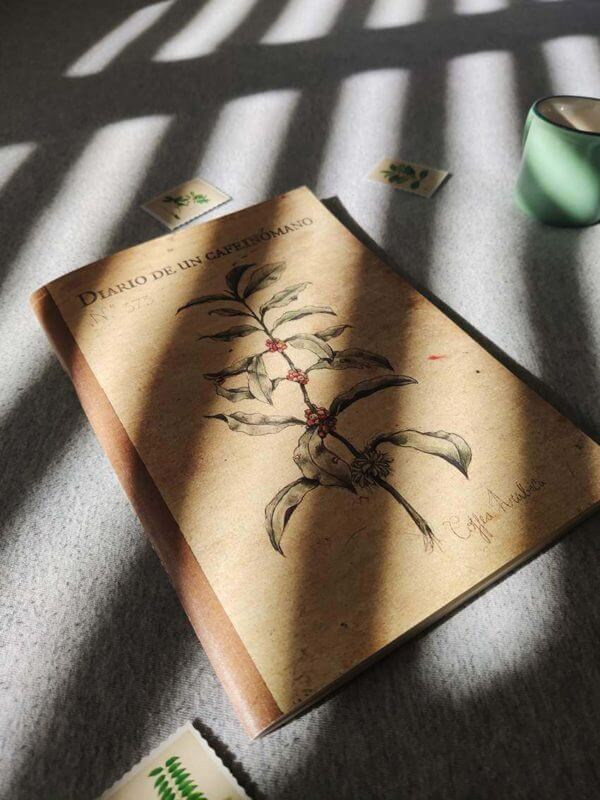
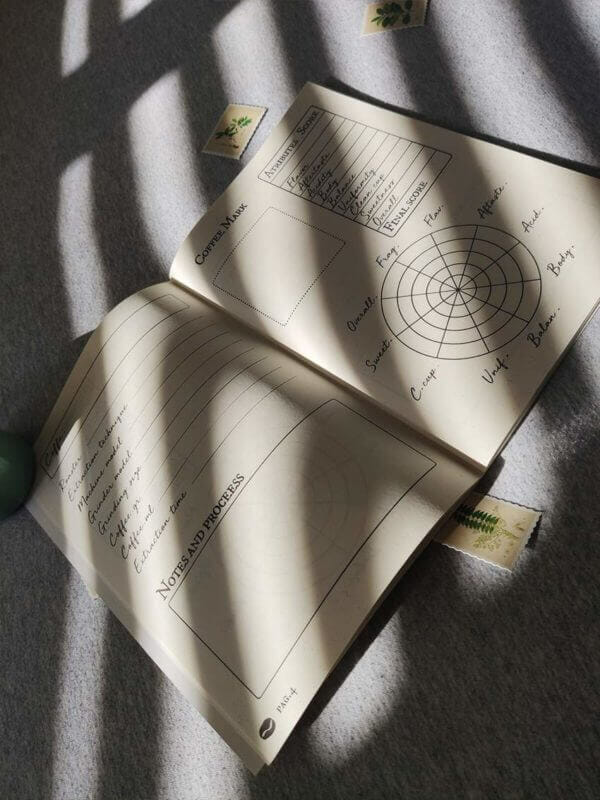
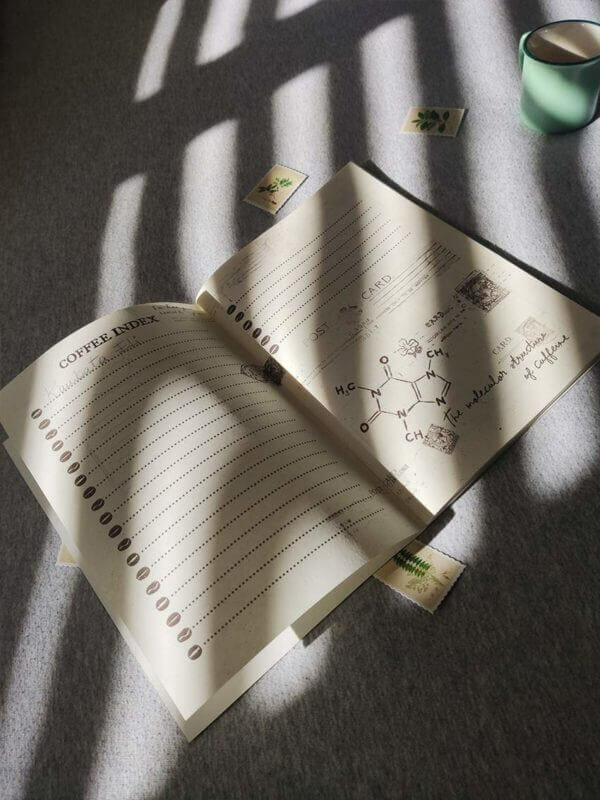
We present an essential tool for recording your perfect espresso recipes. It's a recipe book created and designed by our friends at 3 Seven 3 Coffee, some guys who work specialty coffee from a Coffee Truck with a very peculiar image and philosophy.

In the “Diary of a Coffee Addict” you can note down all the specific characteristics of the coffee in question and then record, at your discretion, the data of the ideal extraction routine, so that the next time you use that coffee, you can easily recover your perfect recipe.

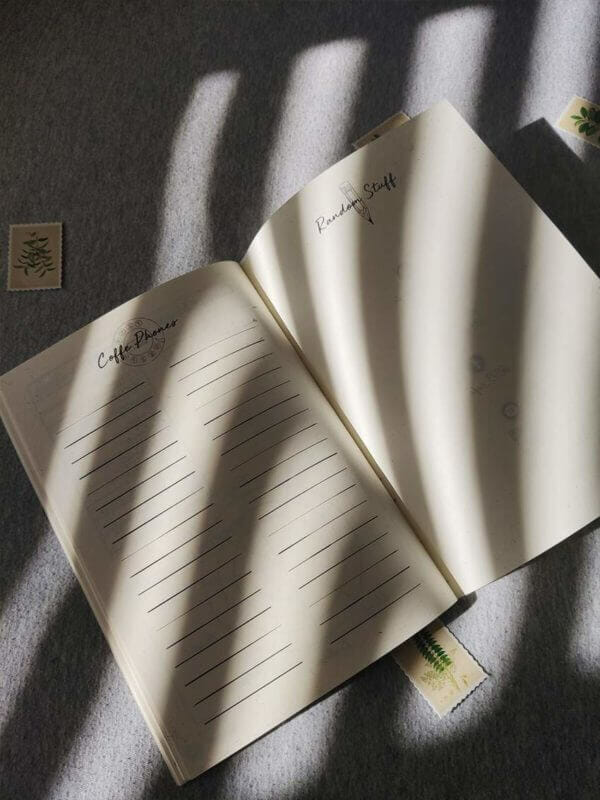
It also has several interesting details, such as a space to leave your coffee imprint, a section for your own notes, a coffee diary, pages for "miscellaneous things," and a QR code that takes you to the 373 Café playlist so you can enjoy good music while you prepare or drink a good cup of coffee.

Posted on

First Coffee

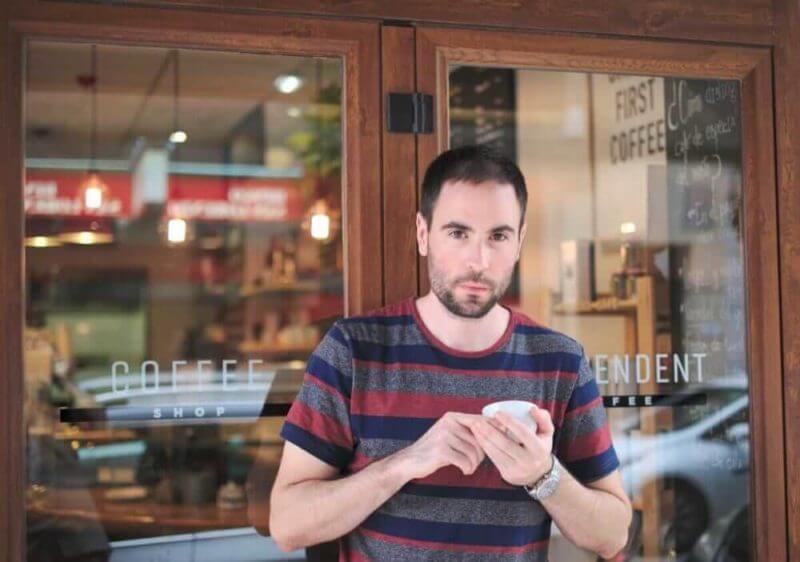
Jairo at First Coffee

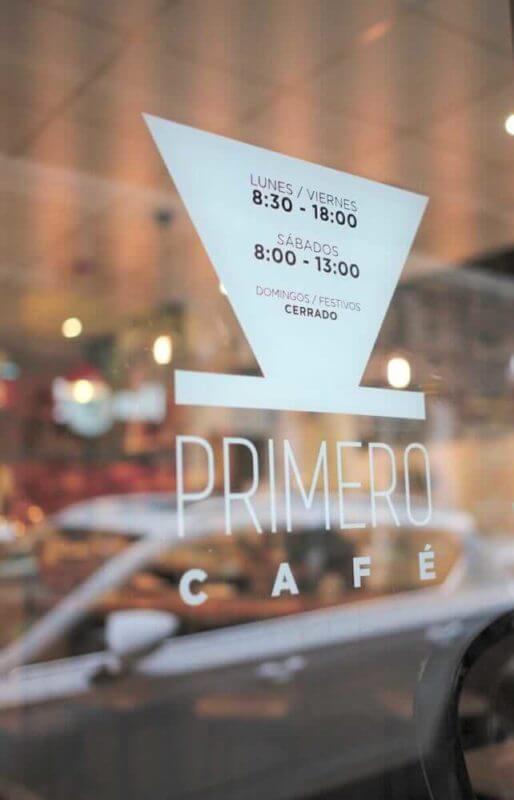
"First Coffee" is a small specialty coffee located in Gijón.

From 8:30 a.m., they offer homemade breakfasts (the potato omelet is a delicacy you can't miss) and delicious coffees until 6:00 p.m.

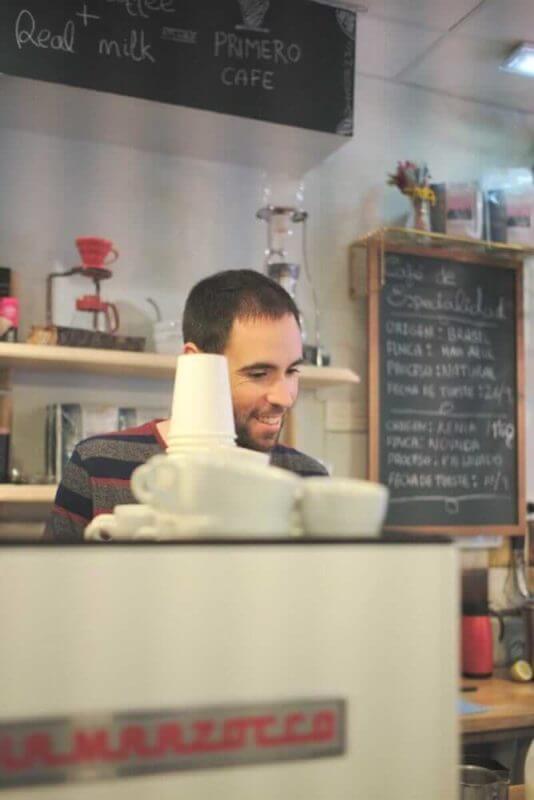
The owner of the establishment and the person in charge of everything is Jairo.

I would define Jairo as one of those people who says little and does a lot. Very professional, humble, and hardworking.

FIRST COFFEE
Celestino Junquera Street, 17, 33201 Gijón, Asturias
984 19 29 48

"Primero Café" is a perfect example of how an entrepreneur can open a business focused on coffee and, through their research and training, discover the world of specialty coffeeThis causes a radical change in his business that is now irreversible.

He is a very good example of how this transition should be made; he researched the sector, trained himself and started little by little introducing an alternative mill with a specialty roaster.

First Coffee
First Café Gijón

A plan was established and executed taking advantage of the third anniversary of "Primero Café" which consisted of the following:

  • A series of small makeovers on your premises, "Daria Fedotova» (our designer) made a beautiful mural.
  • Purchased a white Marzocco Classic coffee maker.
  • He removed commercial coffee completely and now only works with specialty coffees, in this case roasted by St. Augustine.
¡Daria Fedotova made this exclusive mural!

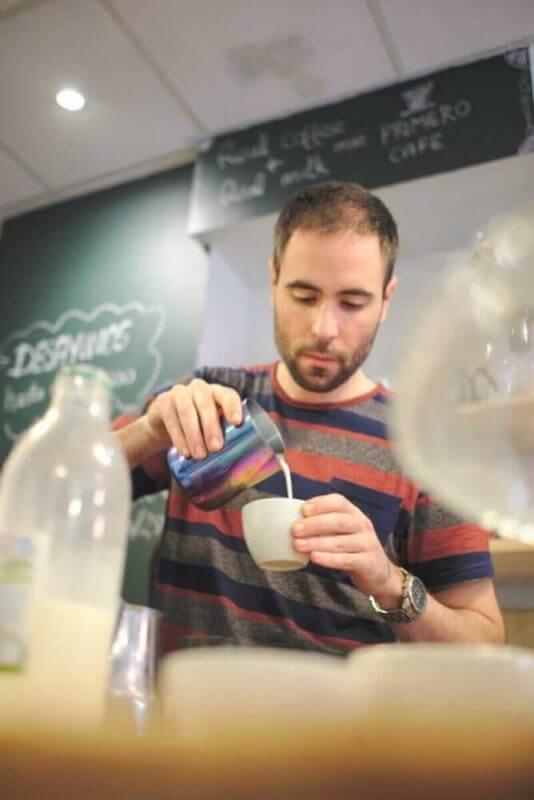
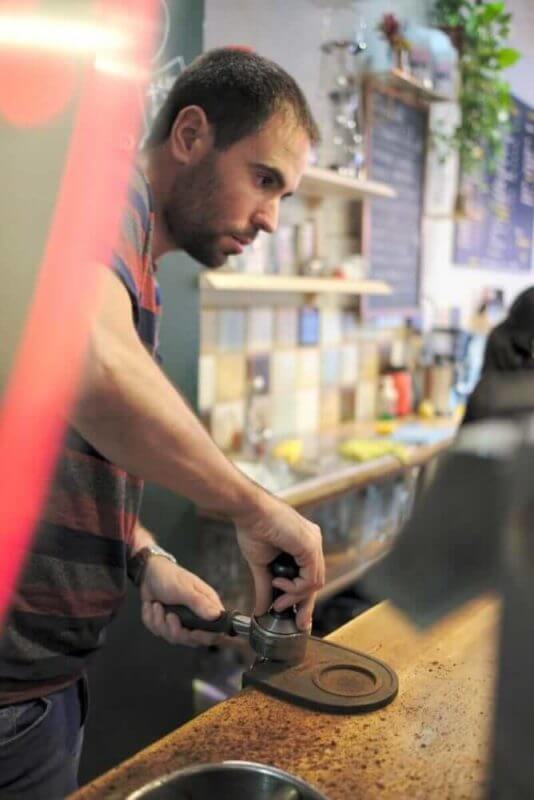
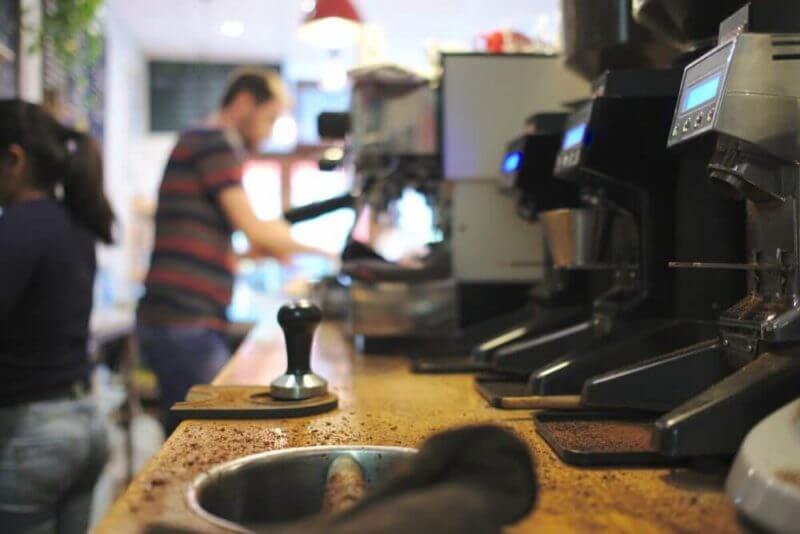
Jairo is a barista with a long history in the coffee industry. Every morning, he calibrates the grinders and finds the best recipe for each coffee, aiming to deliver perfect flavor consistency with every shot. His ability to handle more than 300 coffees a day is a testament to his dedication and passion for coffee.

First Coffee
Jairo in full routine

This place is famous for its chicken sandwiches with mustard sauce and potato tortillas. They also offer a wide variety of options, including croissants, toast, homemade cakes, and the delicious tumaca bread toast. It's the perfect place to enjoy a quick and delicious meal.

Jairo is accompanied by a barista and a cook.

This is the typical place that offers few things but does them exceptionally well. I wish there were more places like this, and it's definitely worth a visit.

If you're in Gijón, this is a must-visit spot to enjoy a good specialty coffee!!!

First Coffee (Specialty Coffee)