
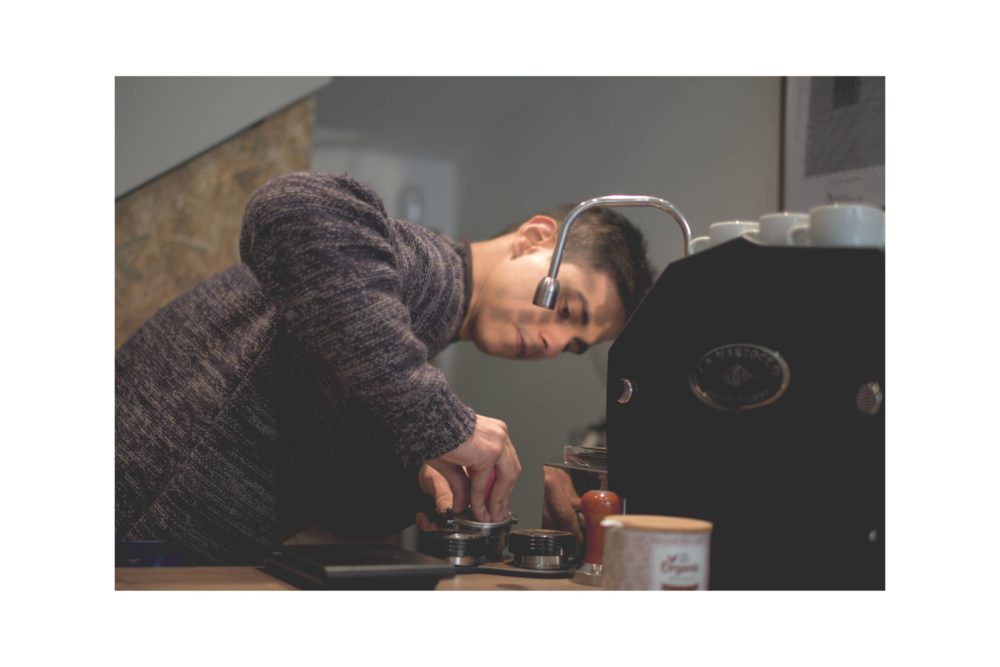
Introduction
My name is Luis Ángel, and I'm the founder of San Agustín. I'm currently in charge of roasting and selecting green coffee.
I have decided to create this new section within the “San Agustín” Blog for two important reasons for me:
First: my passion for photography. I like to apply this passion to a sector as technical and specialized as this one. It's very rewarding and I really enjoy it.
Second: to show readers the personal or professional stories of relevant people within the specialty coffee industry in Spain.
This is completely altruistic and in my free time. I've been in this industry for eleven years and have made interesting connections with many people. I've met people from all over the world who are connected, in one way or another, to specialty coffee. If there's someone I find interesting, they think it's a good idea... perfectly fine!
For those of you who find this initiative interesting, I hope you enjoy these stories, and if anyone has any suggestions, please don't hesitate to write to me. I'm looking forward to hearing your thoughts.
In this first interview I'm going to talk to you about two people I've known for a few years now, María and Luis.
Those of you who are in this world may still be familiar with the name “BICO”, a nice café that was in the heart of the Malasaña neighborhood in Madrid, fI love the coffee, Luis's lattes, and those delicious tortillas that Maria made.
They closed some time ago, they left, and I think my questions for Luis might be interesting to many people just starting out and looking to get started in this difficult sector. He wants to tell us his story and talk about his new project, "RATIÑOS."
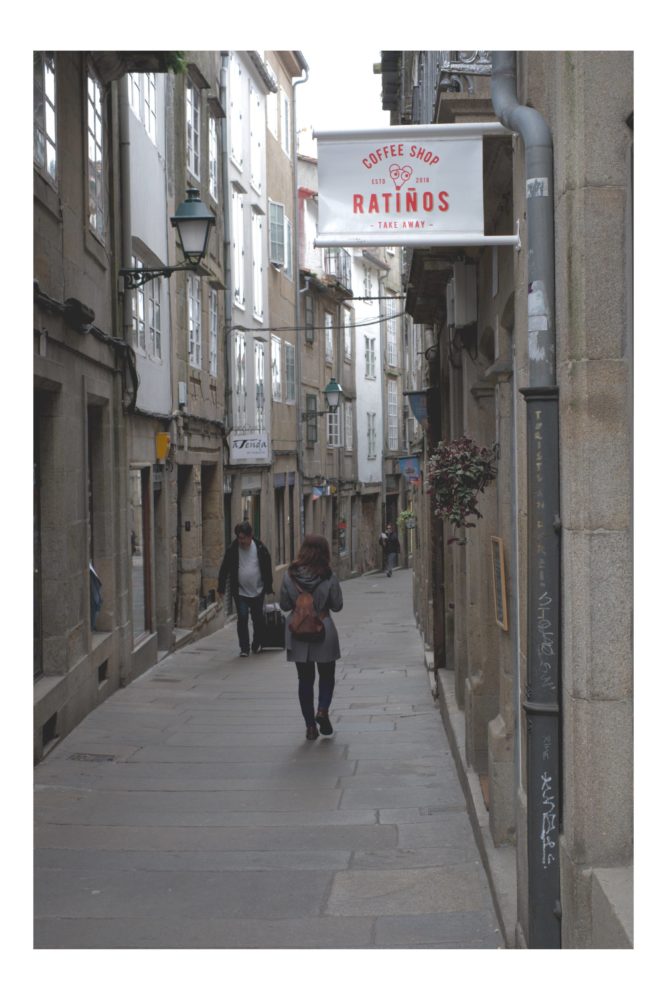
For those who don't know you, tell us where you're from and why you chose to come to Spain.
I'm from Venezuela, and sadly, the situation in my country is critical right now. I've been here in Spain for about eleven years. Even back then, the situation there was starting to get a little shaky, and I decided to look for an alternative because I didn't feel comfortable in my own country. There was so much insecurity, so much crime, so much impunity, so much corruption, and that, in the end, made me leave. I had a cousin in Spain, and I said to myself: this is my chance. I got all my papers in order, got on a plane, and without thinking twice, I came here in search of a better future.
How did you discover your passion for coffee?
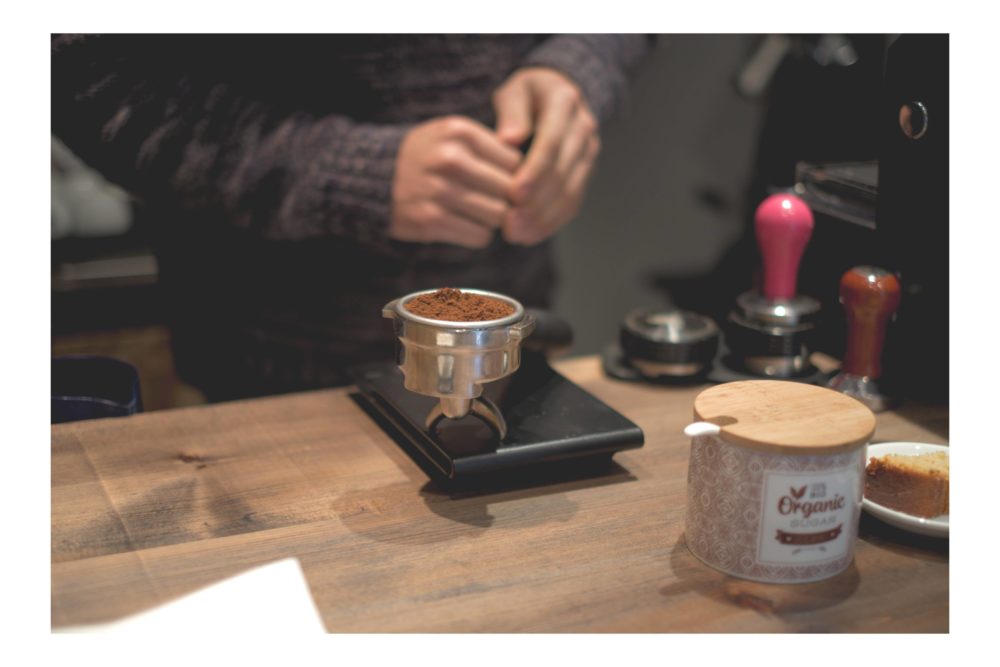
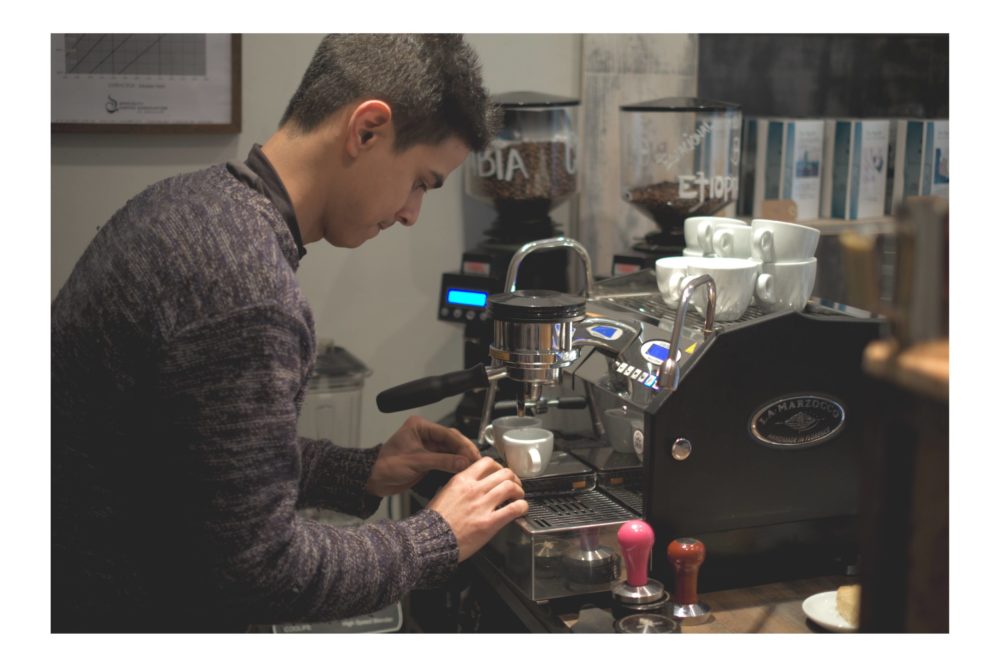
Actually, what I liked was cooking. After a while of not knowing what to do because I didn't have the proper documentation, and since I loved cooking, by chance, I discovered the Zaragoza School of Hospitality. At first, I got into it to cook. But little by little, my dining room teachers, perhaps because of my demeanor, perhaps because they liked me so much, or I don't know why, moved me out of the kitchen and into the dining room. From there, I started working with José Luis Morón, who is someone who has been involved in the coffee business for a long time. I've also been with the "Coffee Forum", trying to learn a few things. That was my beginning, from then on it was nonstop.
What led you to want to open your own business?
It's a combination of several things... the precariousness of the sector in terms of employment contracts. What's happening right now in the hospitality sector in Spain is terrible.
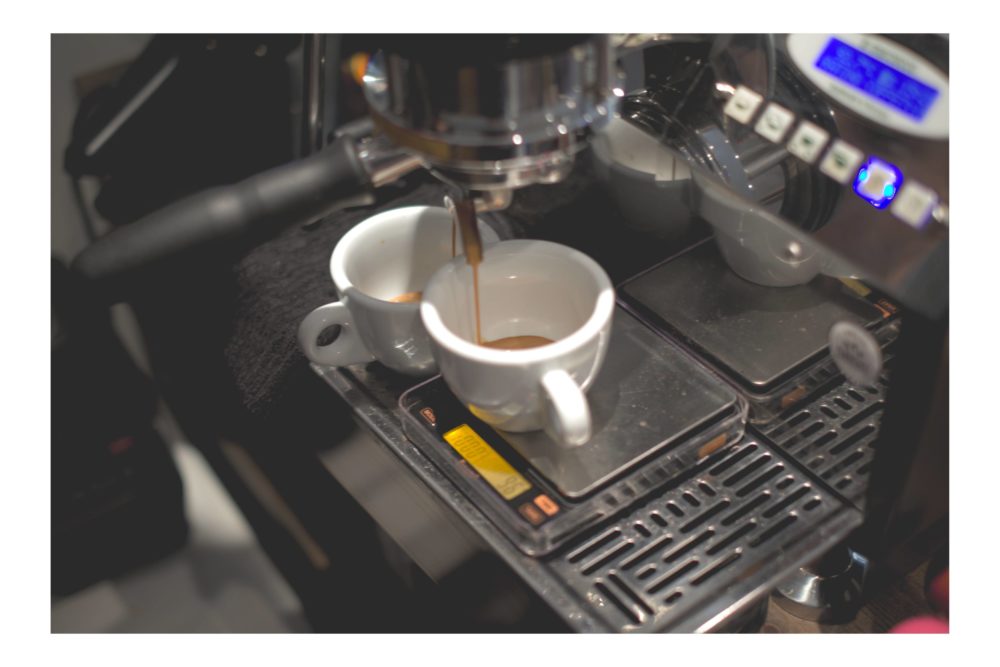
Being my own boss, managing our own resources, and then also dedicating ourselves exclusively to coffee. Being able to provide good service and offer decent coffee is very difficult. And we said, well, it's a challenge, but it's also an opportunity. We seized it, and here we are.
Why Santiago de Compostela?
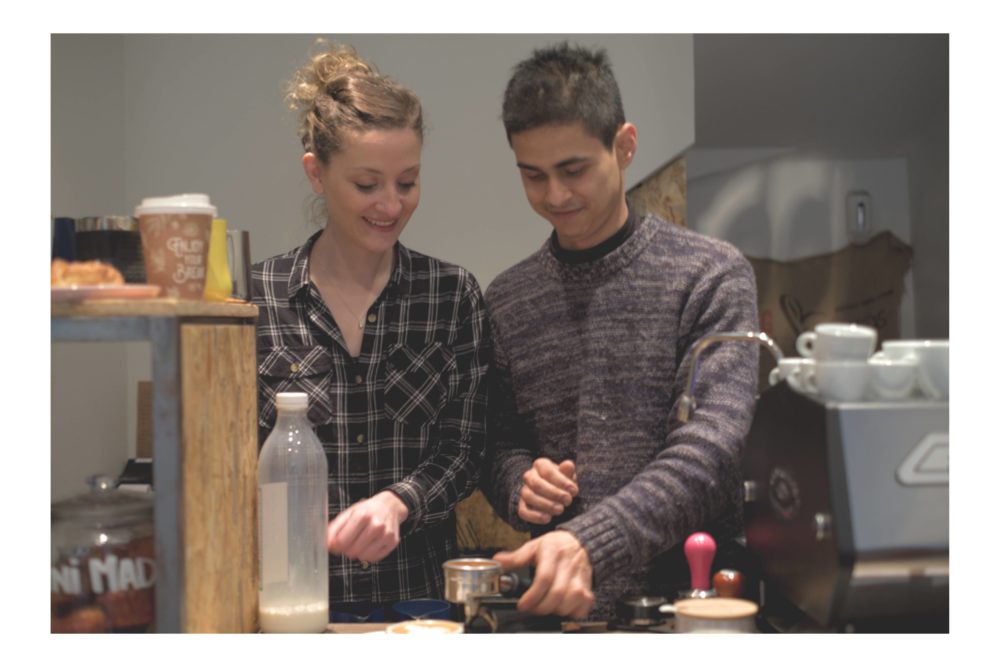
The reason is my partner, María. She's from here, from Santiago. We already had a business in Madrid, BICO, which helped us a lot to open our eyes to something that was becoming fashionable.
But Madrid has the disadvantage that it's quite expensive, and life there is very difficult and quite stressful. Given all that, we decided, health and quality of life come first, and since María is from Santiago, we decided to come and invest in opening our project here. The truth is, we're super happy; it's an incredible city—above all, it's easier to breathe!
How would you define “Ratiños” for someone who has never been here?
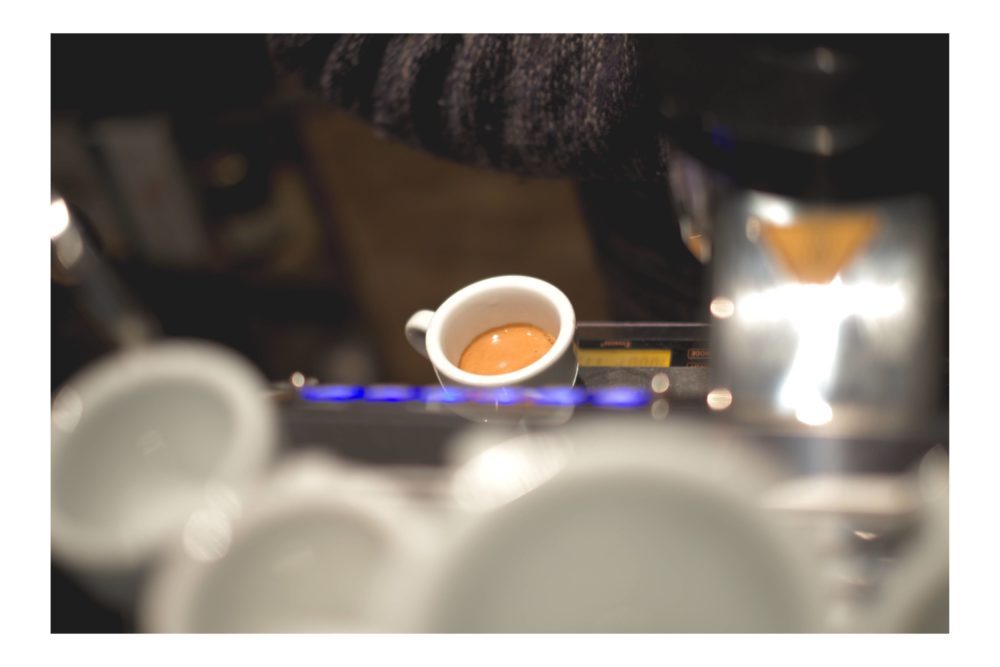
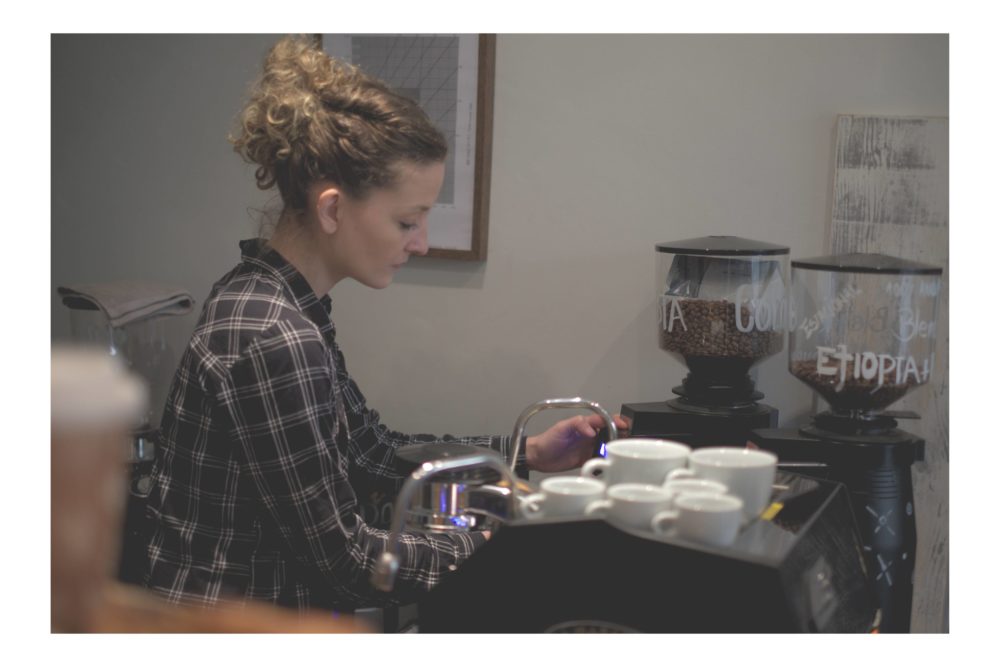
As a very special place, small, cozy and with an incredibly high-quality coffee service.
What products do you offer?
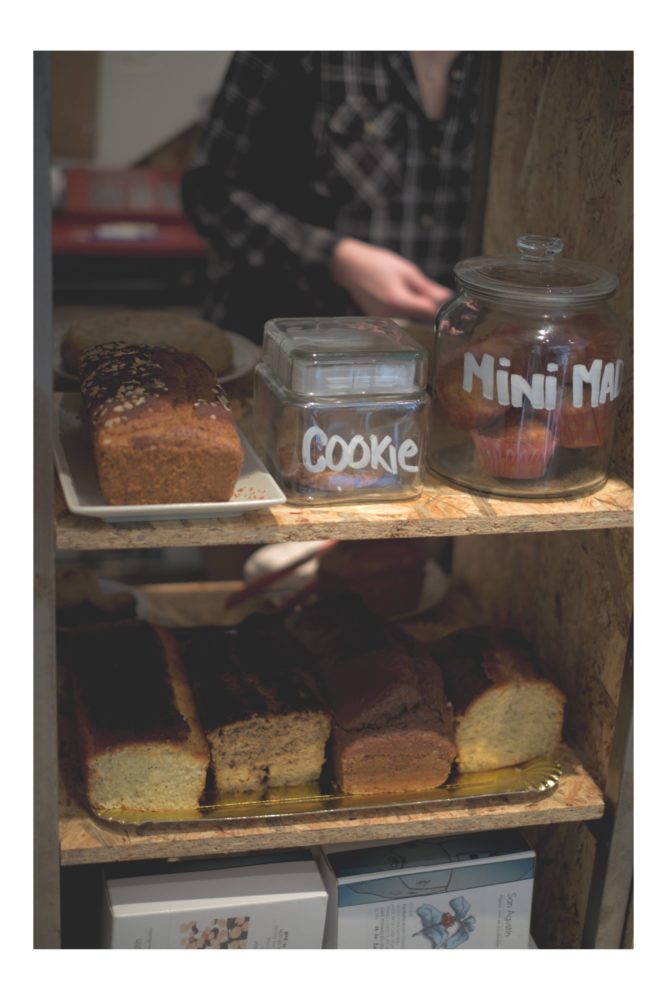
Specialty coffee. We also have cakes, cookies, muffins, some pastries, and bread. Everything is homemade.
Your roaster is now San Agustín, why?
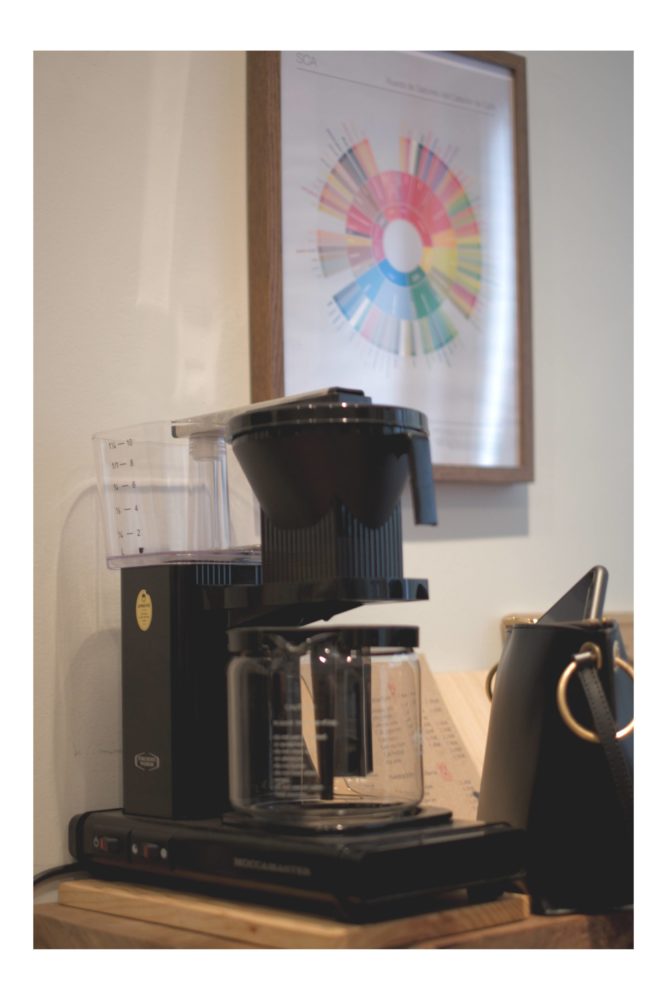
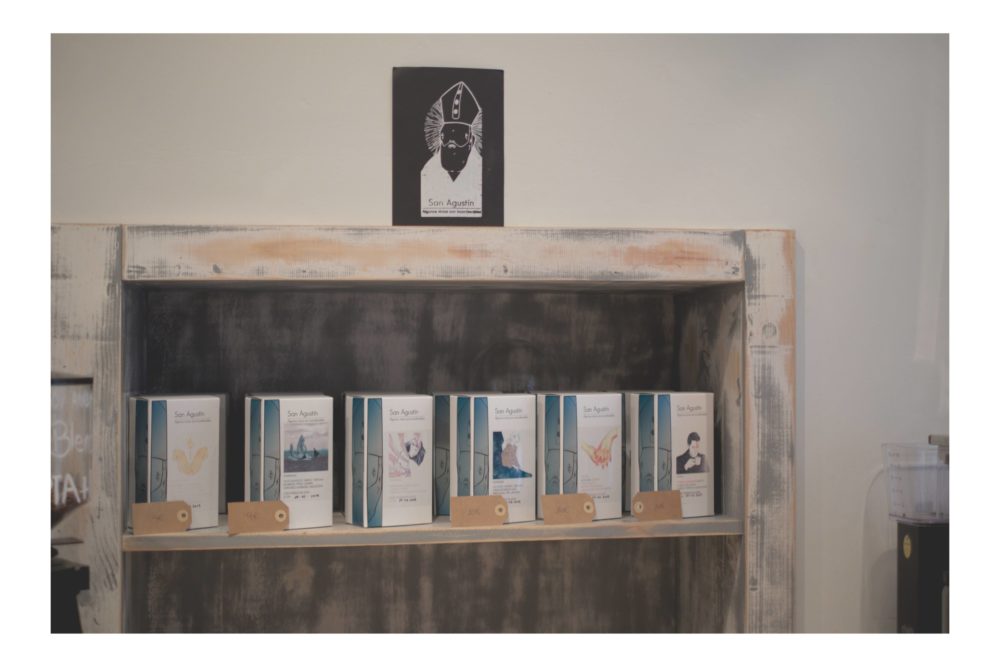
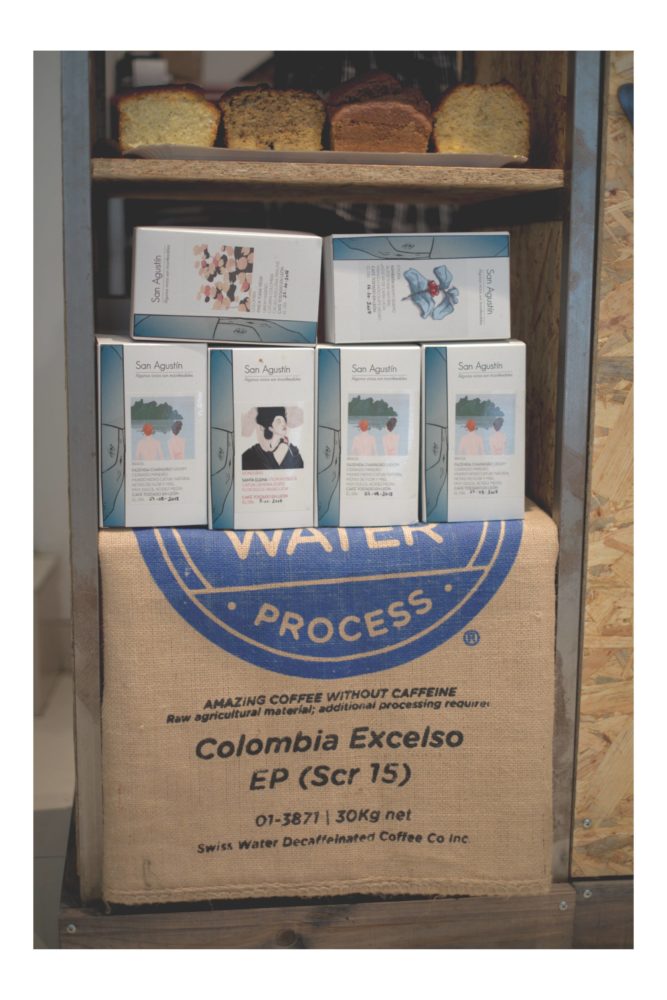
Well, I think it was a coincidence. We were working with another roaster in Madrid. I remember things weren't going very well with them, and suddenly, Luis de San Agustín contacted us. Right at a moment of transition. After our initial contact, he sent us some samples, and when we tried them, we said, "This has to be here, it can't be a coincidence!"
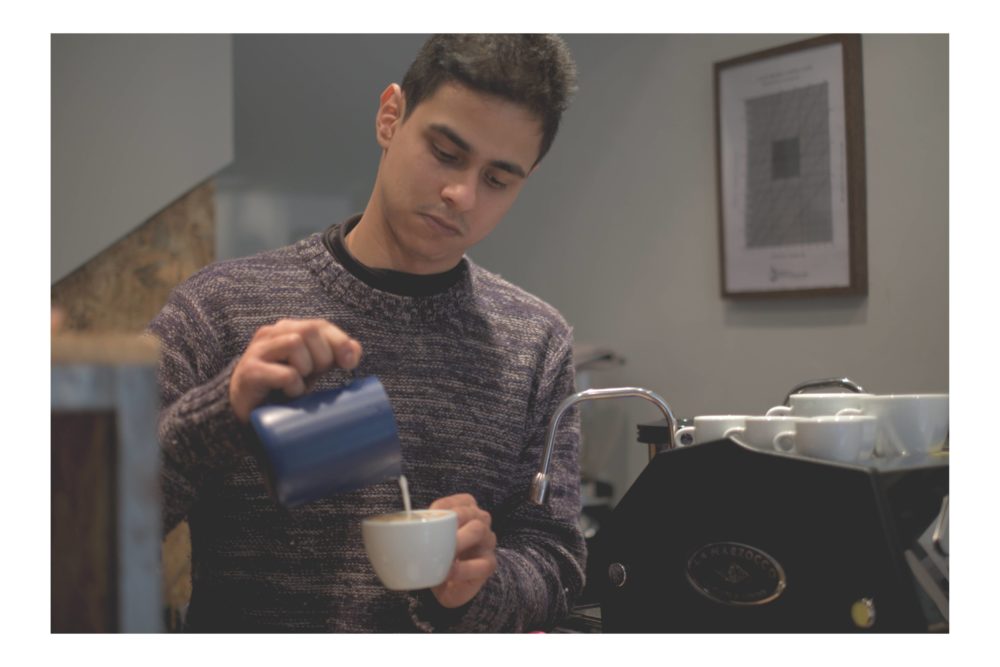
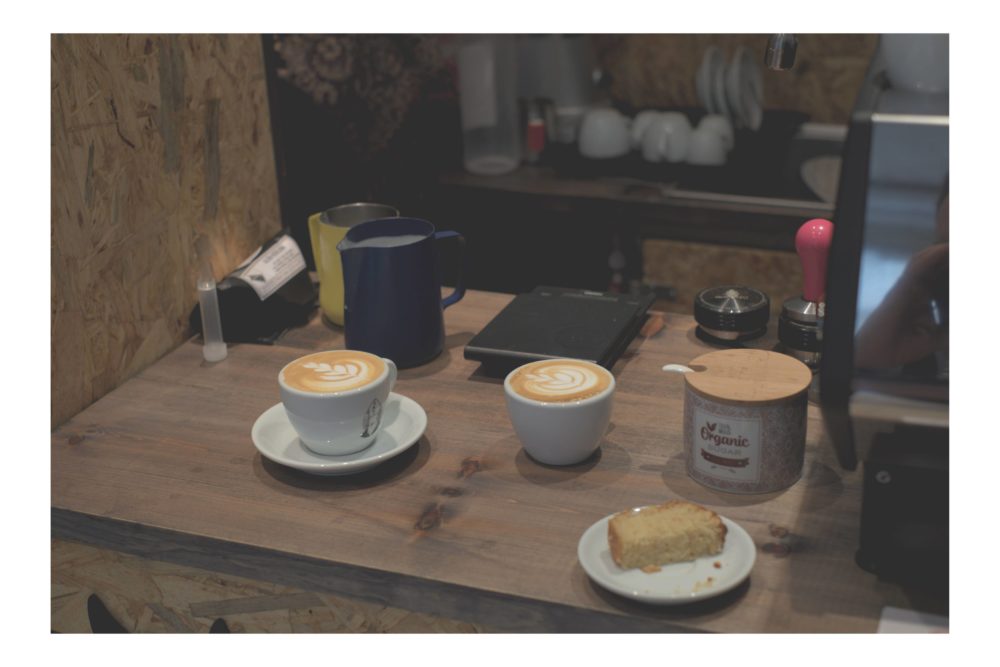
How popular is specialty coffee in Santiago de Compostela?
The response is always positive. They're surprised because the quality in the cup is unlike anywhere else. Each coffee has its own personality, and when it's prepared, it's treated differently, which brings out nuances. I think our role is to understand, through tasting, the profile of each coffee to offer each person a specific coffee. Being aware that there isn't much of a coffee culture here, I'm obviously not going to offer extremely acidic or exotic coffees. Sweet and balanced ones are better, and so things gradually change.
Things are complicated here right now, but I think we can start paving the way, and in fact, we have to. We have to start paying attention to the quality and service of our coffee. People drink a lot of coffee here, yes, but I think the quality is quite lacking. That's why we're here, to try to pave the way.
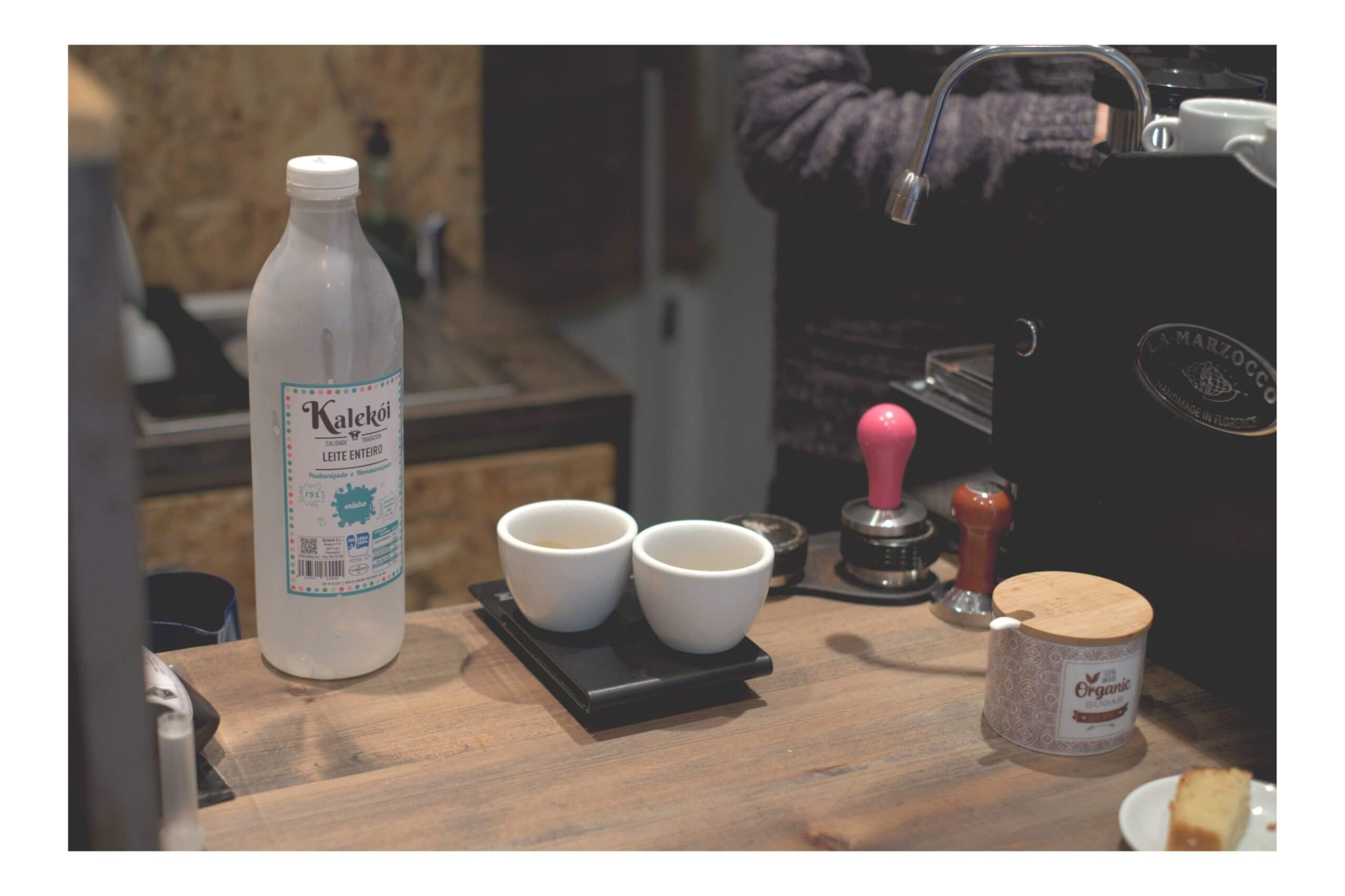
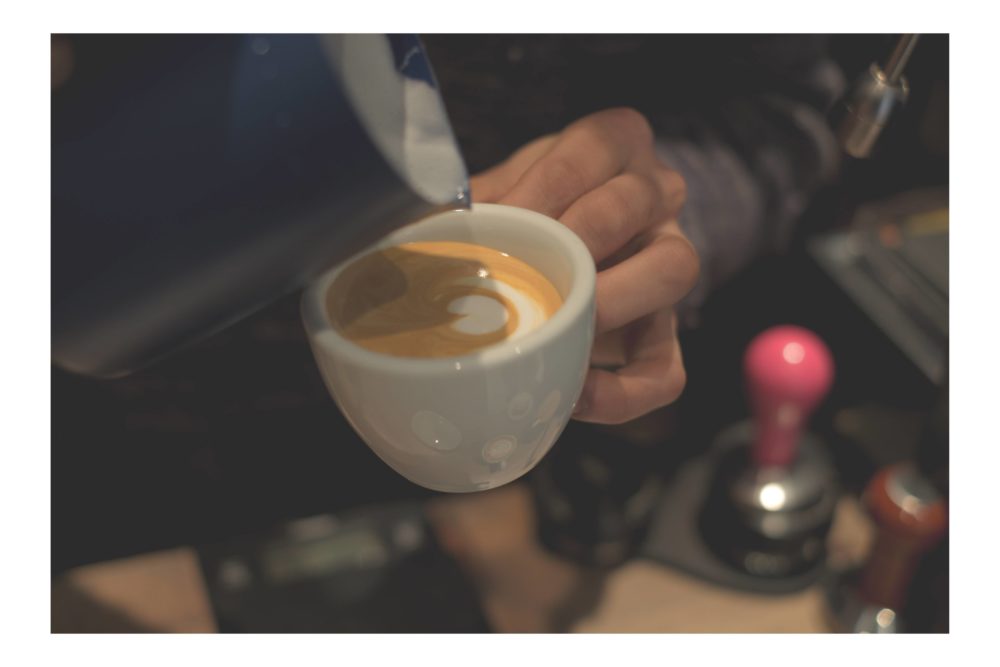
Do you think personalized service is essential to educate customers about this product?
Without a doubt, we need to explain why coffee really tastes the way it does. That it's not just something that comes in, you put it in the grinder, then press a button on the coffee maker, and that's it. No, no, there's a story, and whenever there's a story behind a product, it ends up engaging.
A coffee you'll never forget and why?
Honestly, I'd say a coffee from Venezuela, San Cristóbal, Táchira State. When I arrived in Spain and tried this coffee, I found it surprising. In fact, San Cristóbal is right on the border with Colombia. Venezuela has very good coffee-growing regions, but unfortunately, nothing comes from there now.
An origin?
Ethiopia
What is your method of preparing the first coffee of the morning?
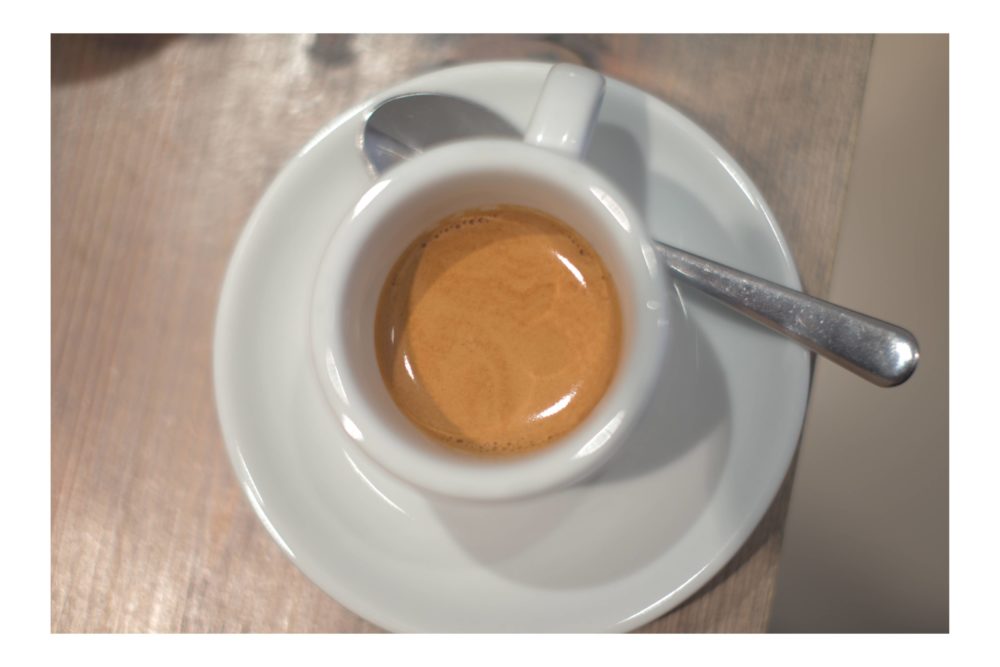
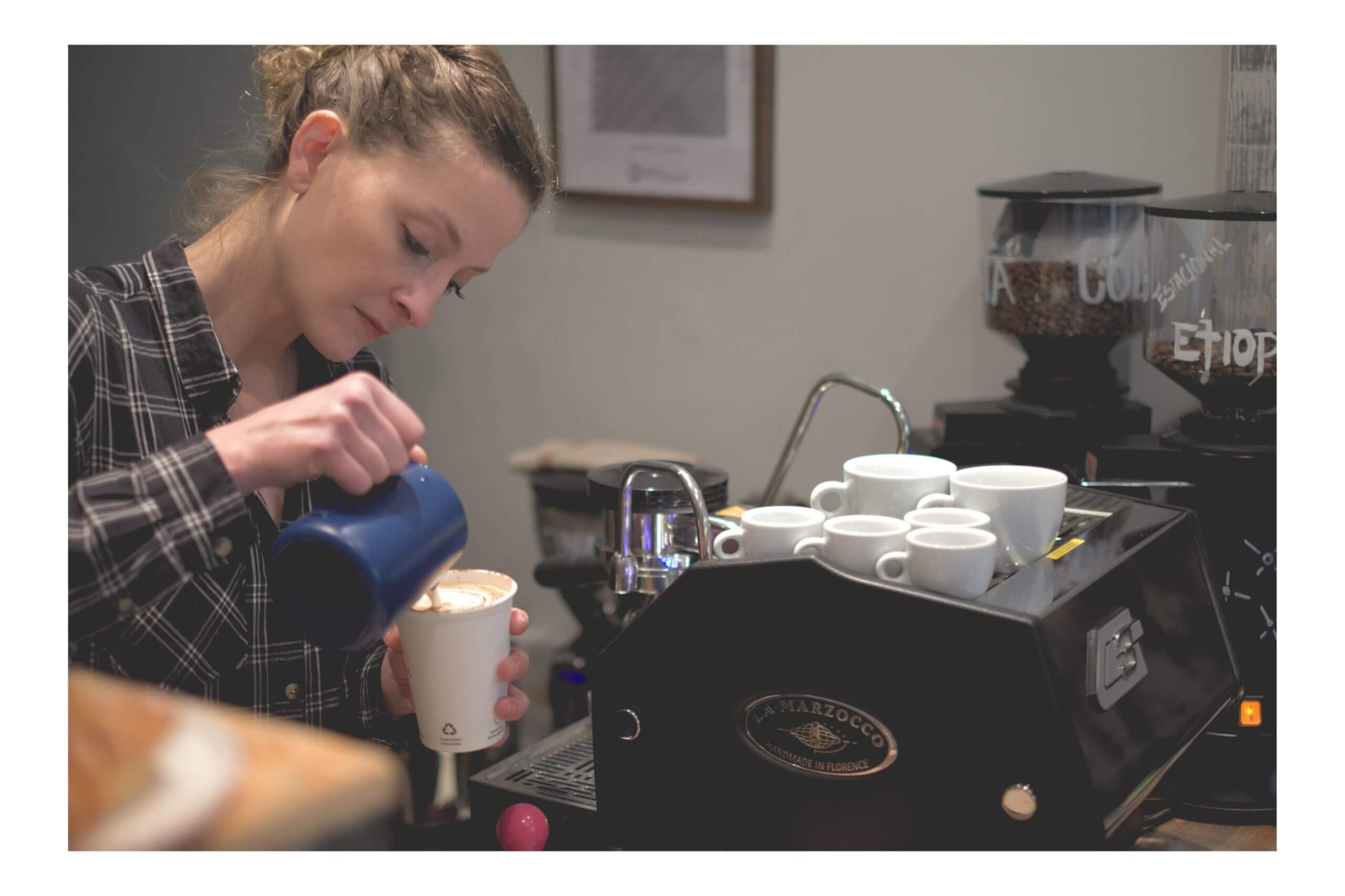
I'll have a flat white. It's a drink that New Zealanders and Australians are fighting over. It's a latte with a much stronger coffee content, with a double shot. For me, that's the best to start the morning.
What future projects do you have?
Expand on this. And well, why not have a farm in Venezuela when things get better? That would be great!
WHERE TO FIND THEM?
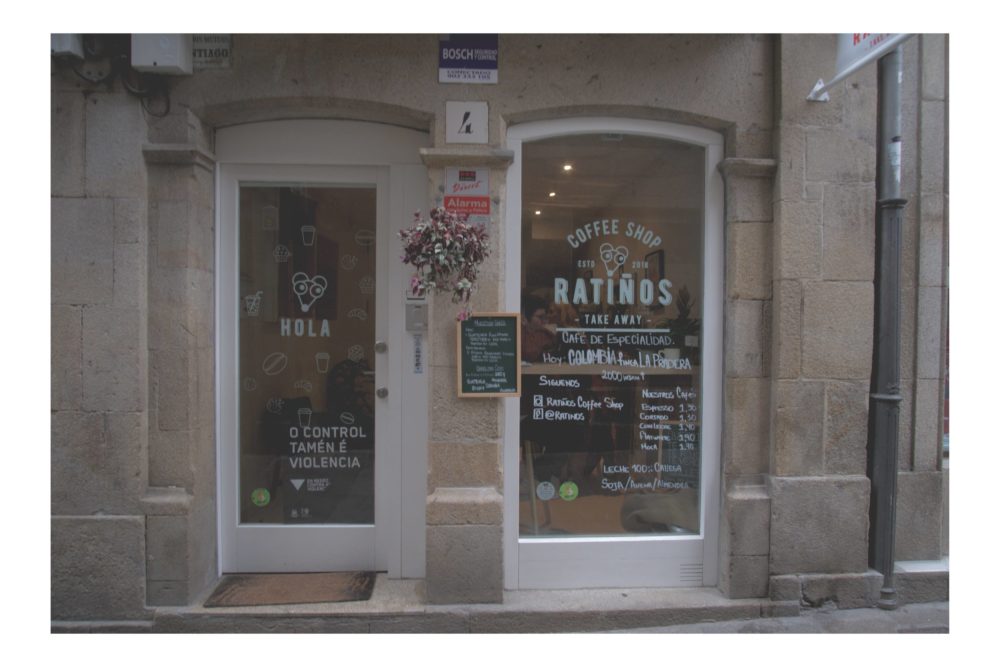
Ratiños Coffee Shop
Instagram: @ratinoscoffeeshop
Address: Rua da Caldeirería, N4, 15704 Santiago de Compostela, A Coruña
Telephone: 637 19 13 76
