

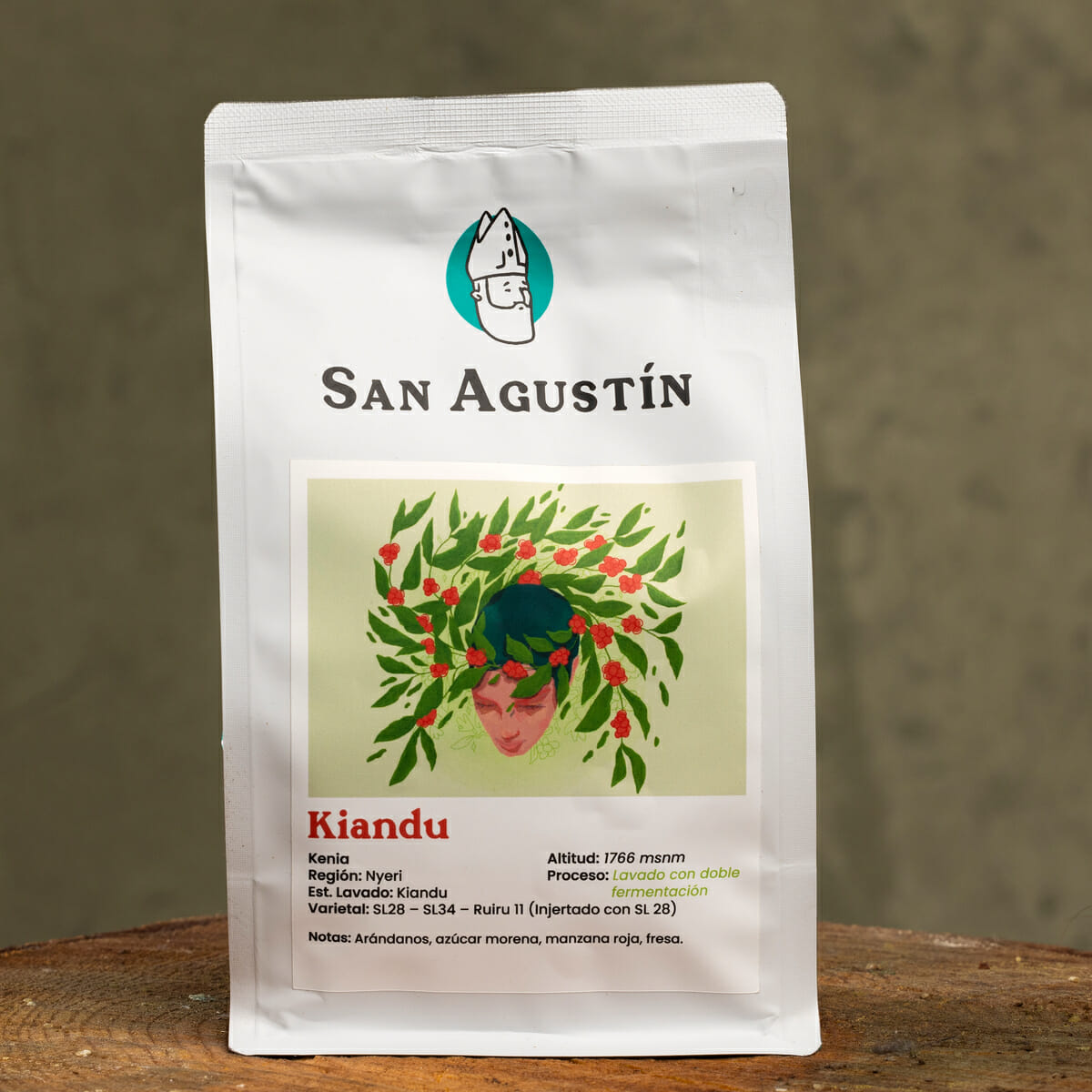
Description
Kiandu
The washing station
Kiandu is located in central Kenya, specifically in Nyeri County. It sits on the fertile slopes of Mount Kenya at an altitude of 1,766 meters above sea level.
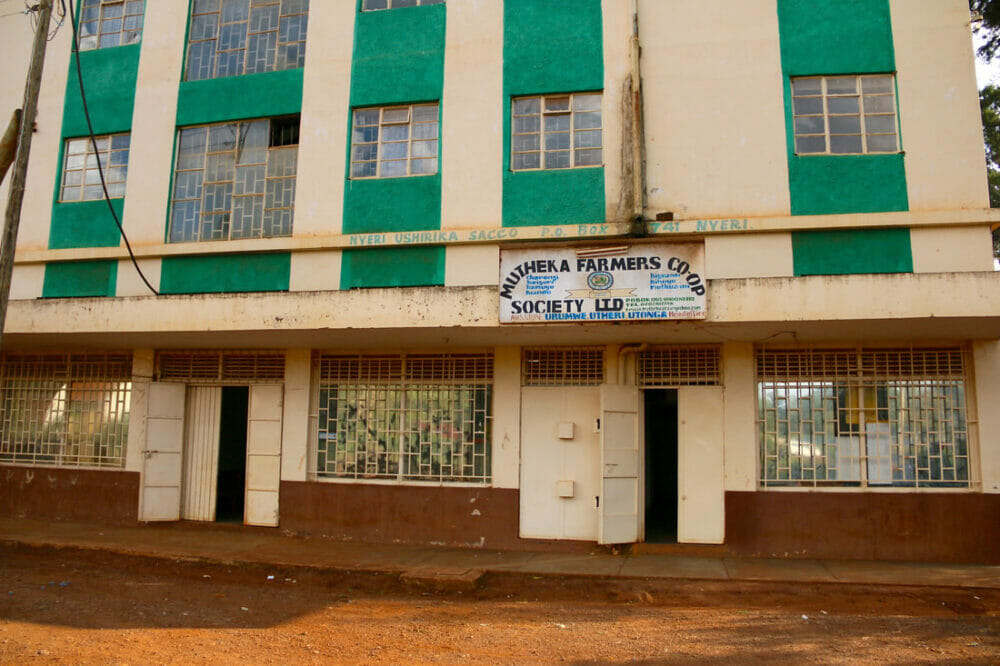
Kiandu is part of the Mutheka FCS, which consists of nearly 5,643 active members. Each member owns an average of around 225 coffee trees, and most farms also grow other crops such as corn, beans, and cassava.
Coffee growers here primarily grow the SL28 and SL34 varieties. However, as with almost all cooperatives in Kenya, they can be mixed with other cultivars such as Ruiru 11 and Batian; although the latter are present in very small proportions compared to the SL varieties.
In Kenya, when a factory processes coffees from many different small producers, sorting the cherries is the most important step to ensure cup quality and batch consistency.
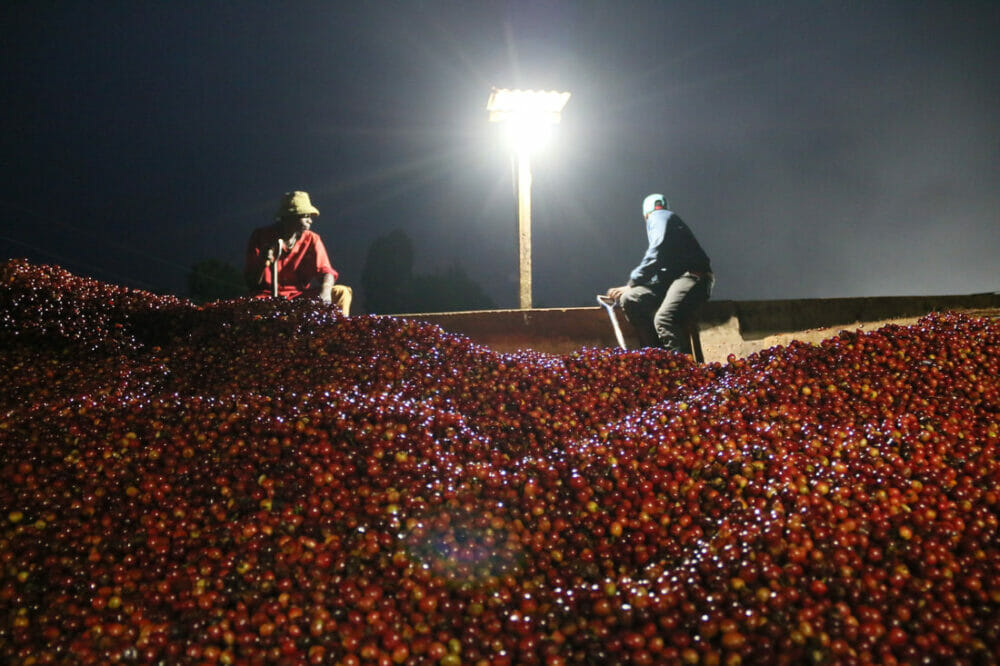
Cooperatives give these producers more control to selectively hand-pick and deliver only the ripest cherries to the factory, but additional cherry sorting is also done at the factory before the coffee is pulped.
Process
This lot was processed using the fully washed method with double fermentation, which involves a dry fermentation process after pulping. Once the coffee has been washed in sorting channels, it is then soaked in clean water for 48 hours to ensure no mucilage remains on the parchment, also known as double fermentation.
RUIRU 11 WITH SL 28
WHY DO COFFEE GROWERS GRAFT RUIRU 11 WITH SL 28?
Grafting is a horticultural technique by which plant tissues are joined together for continued growth. The upper part of the combined plant is called the scion, while the lower part is called the rootstock.
The Ruiru 11 variety was released in 1985. The variety name has the prefix "Ruiru," which refers to the Kenya Coffee Research Station where the variety was developed. The variety is not only resistant to CBD and CLR, but is also compact.
This allows farmers to increase production per unit of land, especially in high-potential areas where the population is high and coffee competes with other crops and agricultural businesses necessary for food security and income.
The cultivar SL 28 was selected at the former Scott Laboratories (now the National Agricultural Laboratories, NARL located in Kabete) on the basis of a single tree of the drought-resistant variety Tanganyika selected in northern Tanzania in 1931.
The prefix SL in the strain name stands for Scott Laboratories, where the strain was selected. The variety is suitable for medium- to high-altitude coffee-growing areas.
In an attempt to change that story, farmers are grafting Ruiru11 with SL28. They use the root of SL28, which is longer than that of Ruiru, and thus can extract more nutrients from Kenya's fertile soils.
The top variety of the Ruiru 11 variety, which is more resistant to coffee diseases than SL. They do this to achieve the best of both worlds: the cup quality of SL with the resistance and productivity of Ruiru 11.
